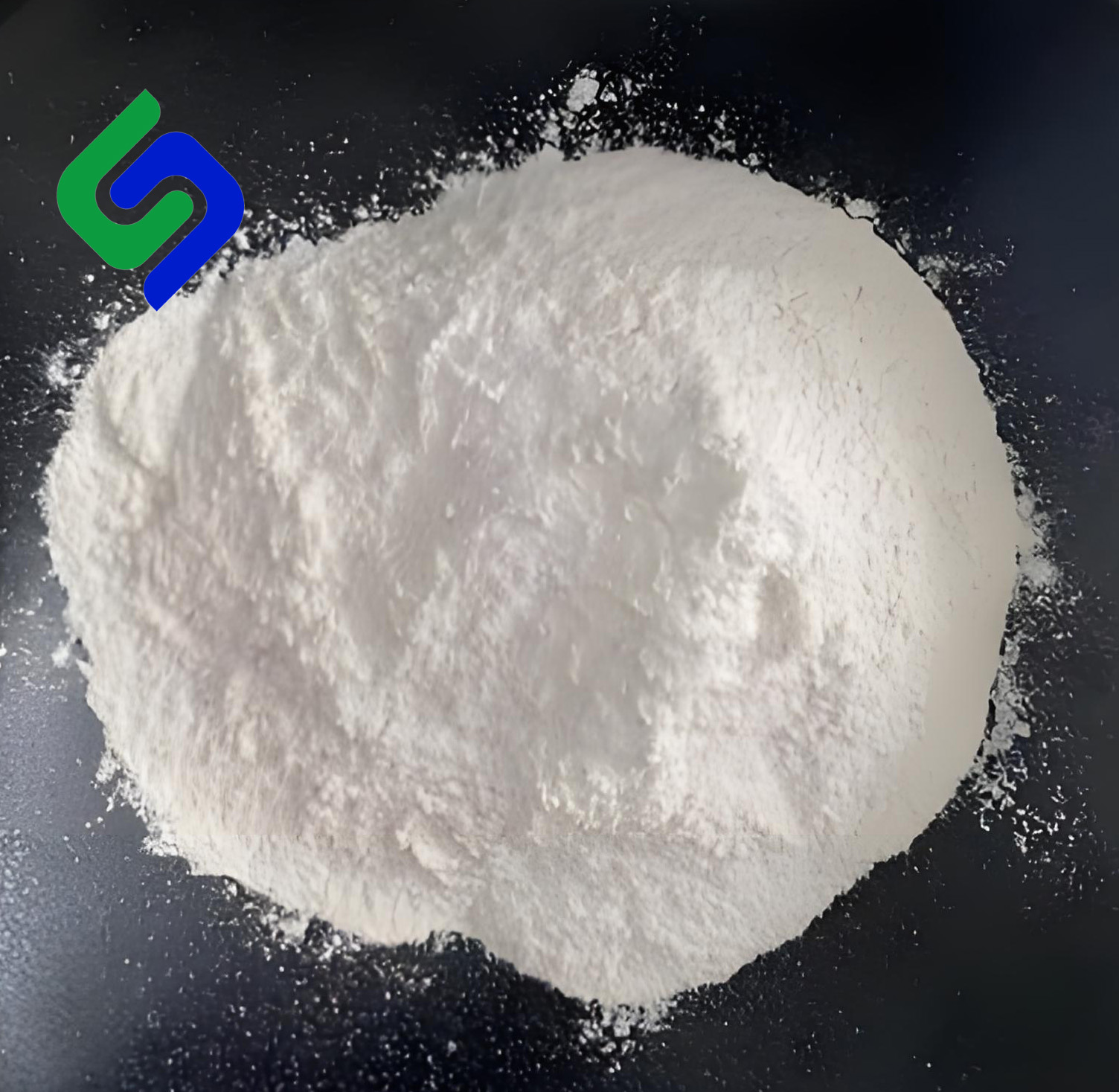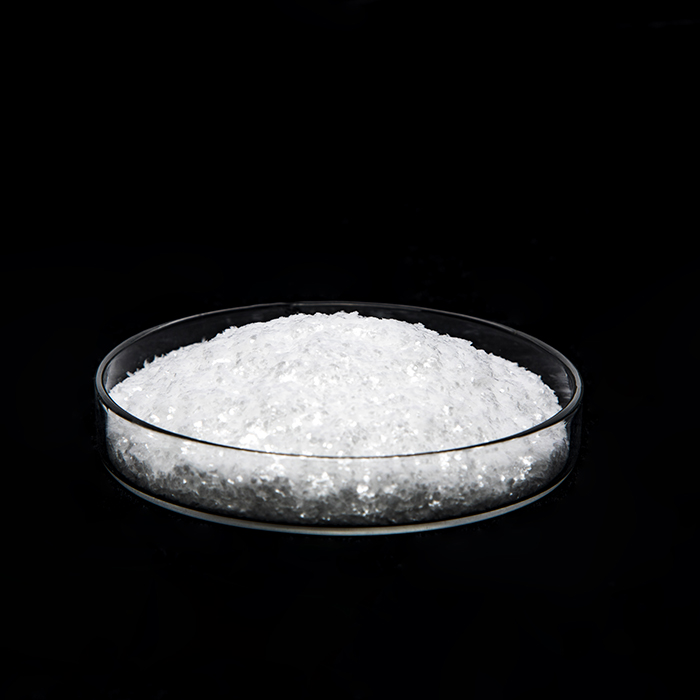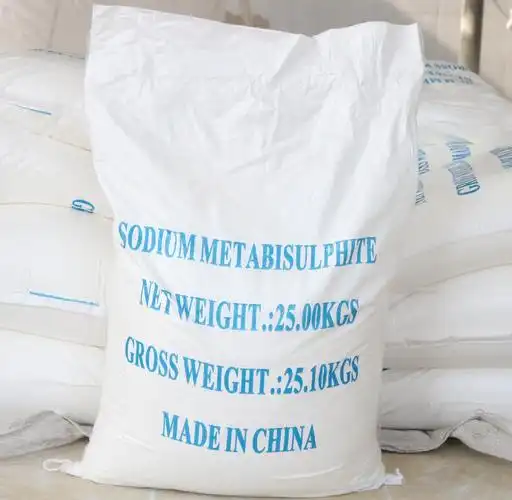
Sodium Methallyl Sulfonate, abbreviated as SMAS, is an essential sulfonated monomer for synthesizing polycarboxylate superplasticizer mother liquor. The finished mother liquor dissolved with residual Sodium Methallyl Sulfonate retains weak acidic microenvironment, soluble sulfite by-products, sulfate impurities and trace free radicals derived from incomplete polymerization. When this SMAS-containing polycarboxylate liquid is stored in ordinary carbon steel iron tanks for a long time, multi-form electrochemical and chemical corrosion occurs on the inner tank wall. Corrosion not only damages iron tank equipment, but also releases iron ion contaminants that destroy the performance of polycarboxylate products blended with Sodium Methallyl Sulfonate. This article systematically sorts out all typical corrosion failures of iron storage tanks loaded with SMAS-containing PCE mother liquor, with natural full-text layout of Sodium Methallyl Sulfonate and SMAS keywords.
1. Uniform Electrochemical Corrosion Over Whole Iron Tank Inner Wall
Residual hydrolyzed sulfite fragments and free sulfate impurities brought by Sodium Methallyl Sulfonate form conductive electrolyte inside polycarboxylate mother liquor.
- The aqueous solution with dissolved Sodium Methallyl Sulfonate forms a complete galvanic cell with carbon steel iron tank: iron acts as anode and continuously dissolves into ferrous ions, while oxygen dissolved in the mother liquor reacts on the cathode surface. Uniform rust layer gradually covers all inner tank surfaces in contact with SMAS mother liquor.
- Long-term storage accelerates continuous thinning of iron tank wall; after several months of cyclic storage, the tank body suffers overall thickness loss, leading to hidden danger of tank leakage.
- Corrosion rate rises sharply in summer high-temperature environments, as higher temperature enhances the ionization of sulfonate groups from Sodium Methallyl Sulfonate and speeds up electrochemical reaction.
2. Pitting Corrosion & Local Perforation of Iron Tank Bottom & Weld Joints
The tank bottom, welding seams and liquid level fluctuation zones are high-risk areas for severe pitting corrosion when storing SMAS-containing polycarboxylate mother liquor.
- Undissolved tiny inorganic salt precipitates from Sodium Methallyl Sulfonate settle and accumulate at iron tank bottom, forming concentrated electrolyte sediment layers. These sediments shield local steel surface, generating oxygen concentration difference cells and triggering deep point corrosion pits.
- Weld seams have uneven metal crystal structure and residual welding stress; the sulfite ions decomposed from Sodium Methallyl Sulfonate preferentially erode welds, expanding corrosion pits along welding lines.
- Pitting develops rapidly inward, easily causing small hole perforation of iron tank bottom, leading to leakage of polycarboxylate mother liquor mixed with Sodium Methallyl Sulfonate and serious raw material waste.
3. Crevice Corrosion At Iron Tank Manholes, Flanges & Valve Connections
Gaps between iron tank manhole covers, flange gaskets and feed valves trap stagnant SMAS polycarboxylate mother liquor rich in decomposed by-products of Sodium Methallyl Sulfonate.
- Liquid trapped inside crevices cannot exchange oxygen with external mother liquor, forming anoxic corrosive micro-zones with high concentration of sulfite and sulfate from SMAS. Crevice corrosion expands along gap contact surfaces, loosening connecting bolts and destroying sealing performance.
- Corrosion products accumulate inside narrow gaps, jacking up gaskets and causing liquid seepage at flange joints during pumping transfer of Sodium Methallyl Sulfonate-containing PCE mother liquor.
4. Hydrogen Embrittlement & Stress Corrosion Cracking of Iron Tank Structural Parts
The hydrolysis reaction of Sodium Methallyl Sulfonate produces trace acidic substances, and electrochemical corrosion generates atomic hydrogen that penetrates into carbon steel crystal lattice.
- Atomic hydrogen accumulates inside high-stress components such as iron tank support brackets and thick wall pressure sections, inducing hydrogen embrittlement. The steel material becomes brittle, prone to crack propagation under normal liquid pressure.
- Sulfite ions decomposed from SMAS synergistically accelerate stress corrosion cracking; micro-cracks initiate at tank wall stress concentration areas and gradually extend, threatening the overall structural safety of iron storage tanks.
5. Rust Contamination Indirectly Caused By Corrosion Damages Polycarboxylate Performance
All iron corrosion products (ferrous hydroxide, iron oxide rust powder) dissolve or suspend into mother liquor containing residual Sodium Methallyl Sulfonate, triggering irreversible quality degradation of admixture.
- Ferric ions complex with carboxyl and sulfonate functional groups derived from Sodium Methallyl Sulfonate, partially deactivating the dispersion effect of polycarboxylate chains. Concrete prepared with contaminated mother liquor shows reduced initial water reduction rate and aggravated slump loss.
- Rust particles turn transparent polycarboxylate mother liquor yellowish-brown, seriously affecting product appearance and customer acceptance.
- Heavy metal iron ions break the stable free radical balance if the contaminated mother liquor is recycled as partial solvent for new Sodium Methallyl Sulfonate polymerization batches, generating extra microgel impurities in subsequent production.
6. Corrosion Blockage Of Iron Pipeline & Discharge Valves Connected To Iron Tanks
Corrosion rust flakes peel off from iron tank inner walls and flow into outlet iron pipes and control valves together with SMAS-containing polycarboxylate mother liquor.
- Rust sediment accumulates inside narrow iron pipelines, reducing liquid delivery flow rate and frequently blocking valve cores during transfer of Sodium Methallyl Sulfonate mother liquor.
- Regular shutdown cleaning is required to remove rust blockages, lowering continuous production efficiency and increasing labor maintenance costs.
Effective Solutions To Eliminate Iron Tank Corrosion From SMAS Polycarboxylate Mother Liquor
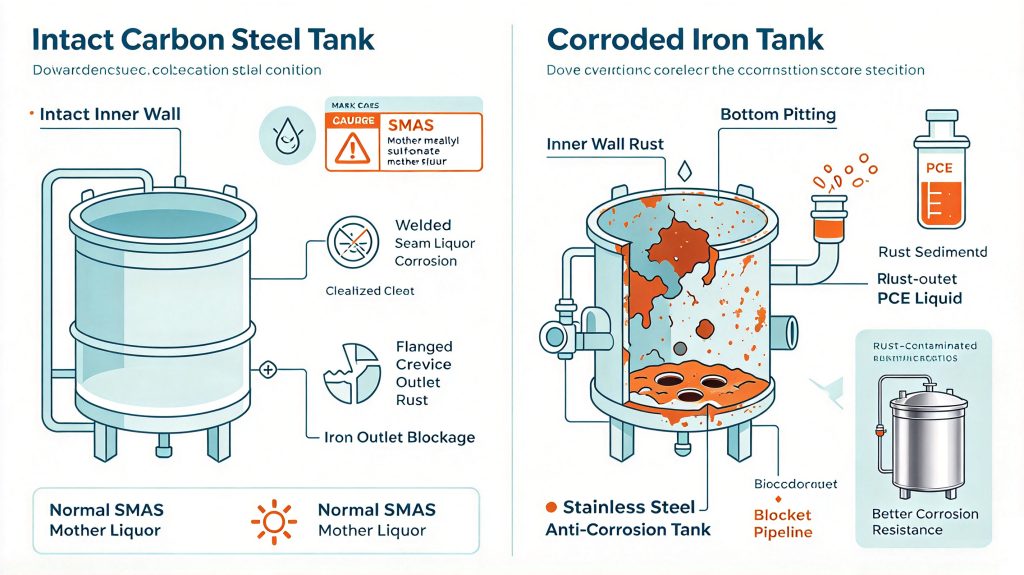
- Replace carbon steel iron tanks with 304 or 316 stainless steel tanks to resist corrosion of sulfonate substances from Sodium Methallyl Sulfonate.
- For existing iron tanks, apply complete anti-corrosion lining (epoxy anti-corrosion coating or PE plastic lining) on all inner walls before storing SMAS-containing mother liquor.
- Control storage temperature below 30℃ to slow down the ionization and hydrolysis of Sodium Methallyl Sulfonate in polycarboxylate liquid.
- Avoid long-term static storage; circulate mother liquor regularly to reduce sediment accumulation of SMAS inorganic impurities at tank bottom.
- Add appropriate neutralizing agent to adjust mother liquor pH to neutral weak alkaline range, lowering the corrosion activity of sulfite decomposed from Sodium Methallyl Sulfonate.