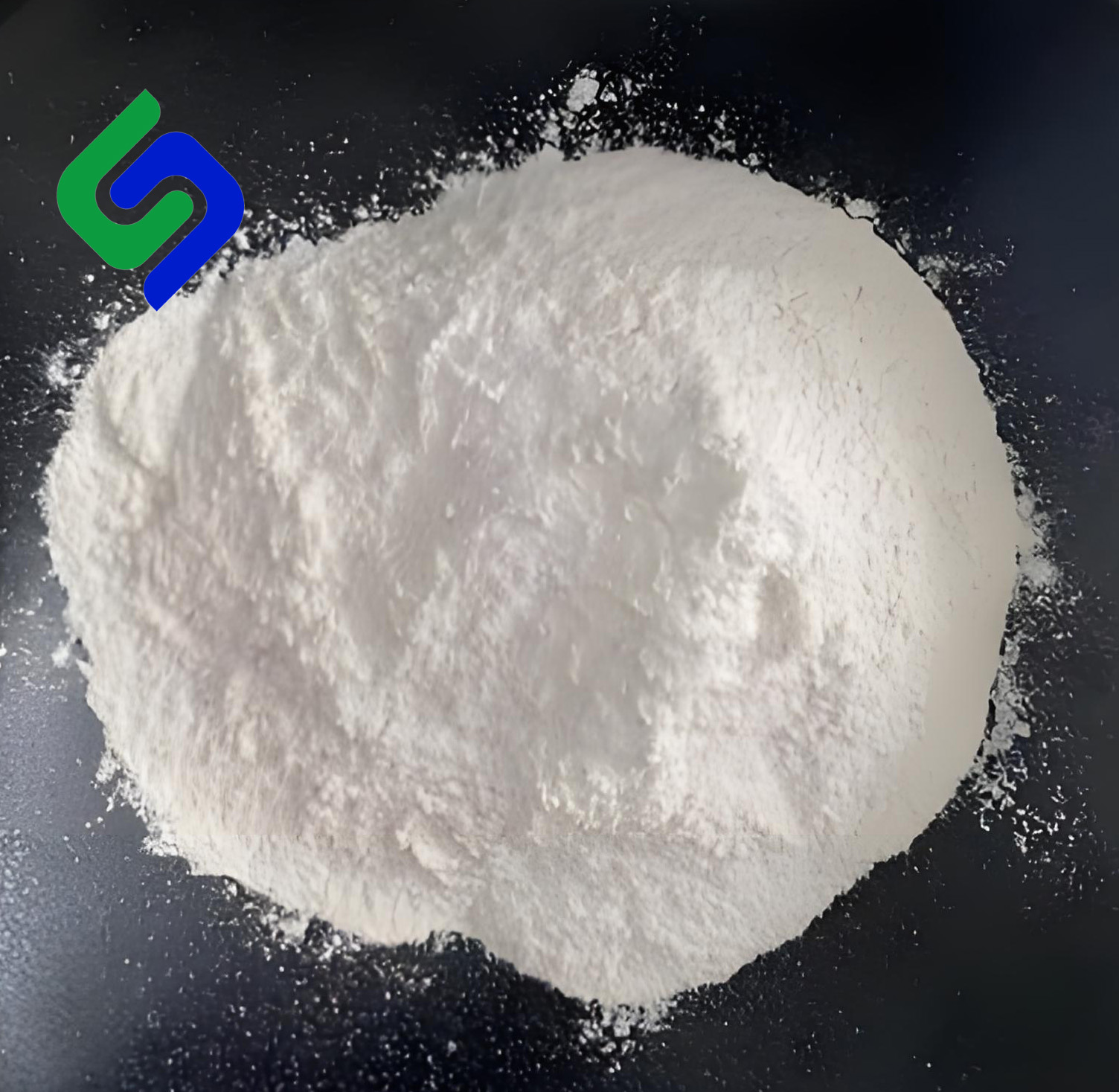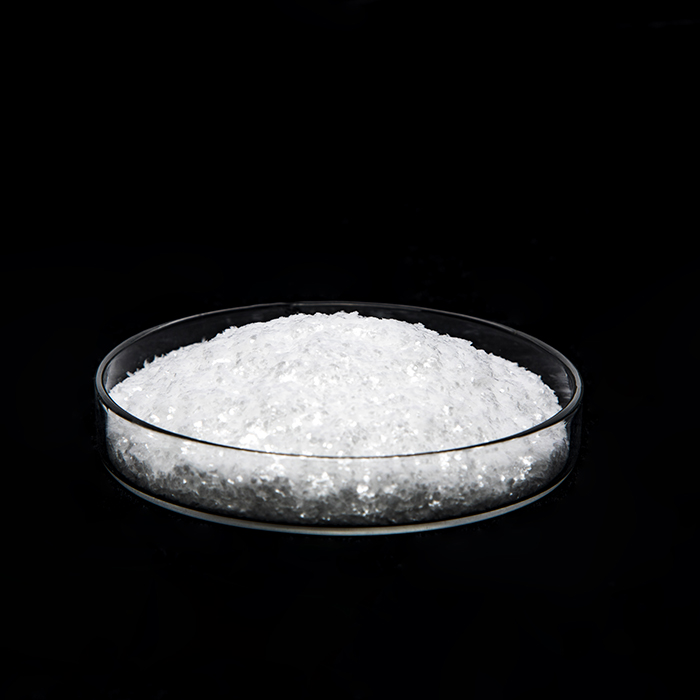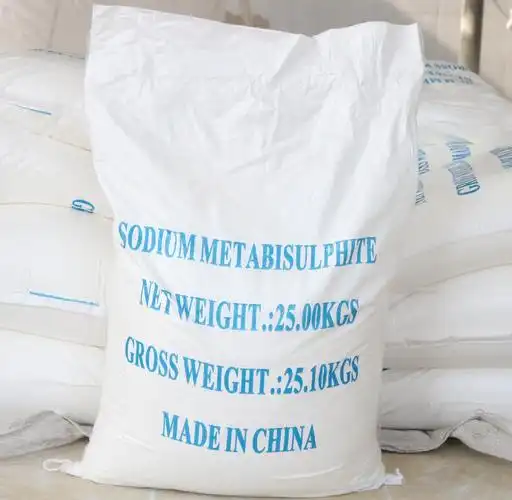

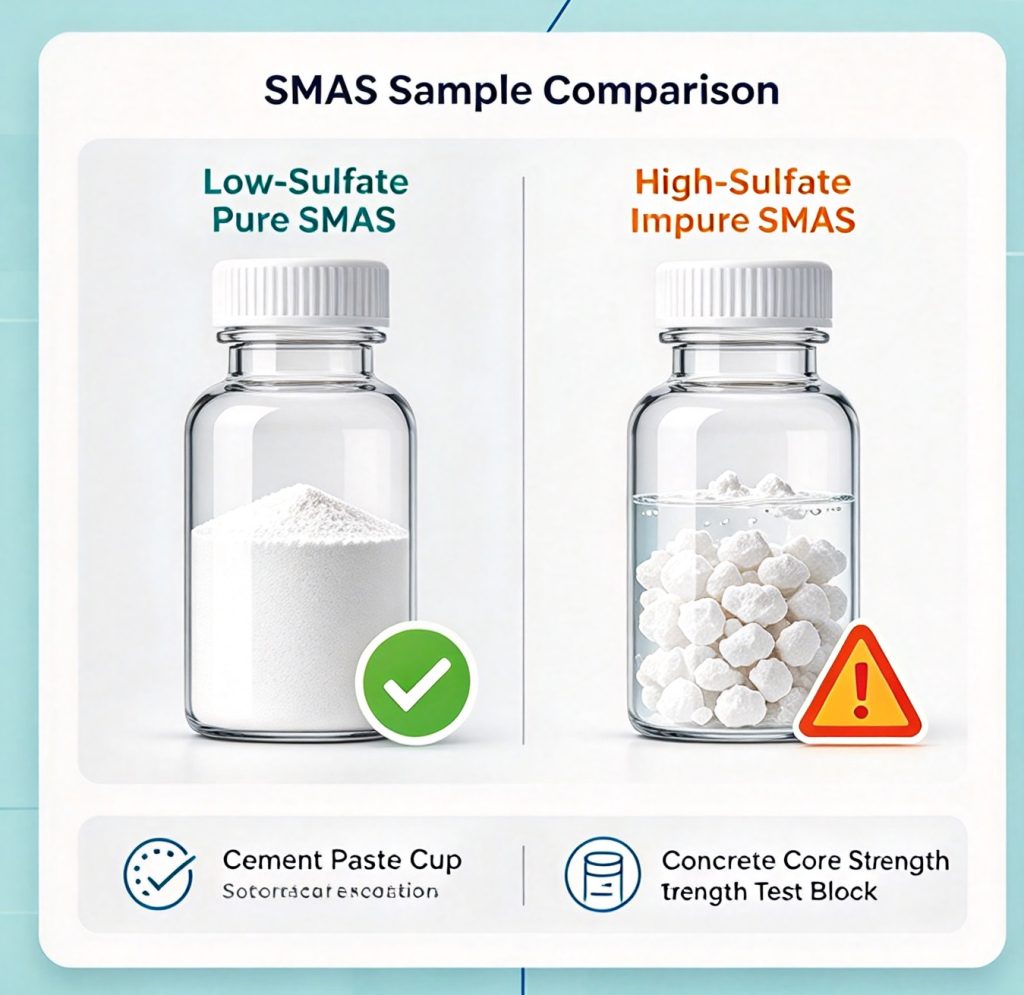
Sodium Methallyl Sulfonate, abbreviated as SMAS, is a bifunctional sulfonated monomer for polycarboxylate superplasticizer copolymerization. Industrial-grade Sodium Methallyl Sulfonate inevitably carries residual inorganic sulfate impurities generated during SMAS synthesis and purification. When sulfate impurity content exceeds the qualified threshold in Sodium Methallyl Sulfonate, these soluble sulfate ions enter the polycarboxylate mother liquor during polymerization and finally mix into fresh concrete. Excess sulfate from low-purity SMAS interferes with cement hydration, polymer adsorption and aggregate interface bonding, causing irreversible deterioration of multiple key concrete working and mechanical performances. This article systematically lists all concrete performance defects induced by over-limit sulfate impurities inside Sodium Methallyl Sulfonate (SMAS), with natural, evenly distributed core keywords Sodium Methallyl Sulfonate and SMAS across all sections.
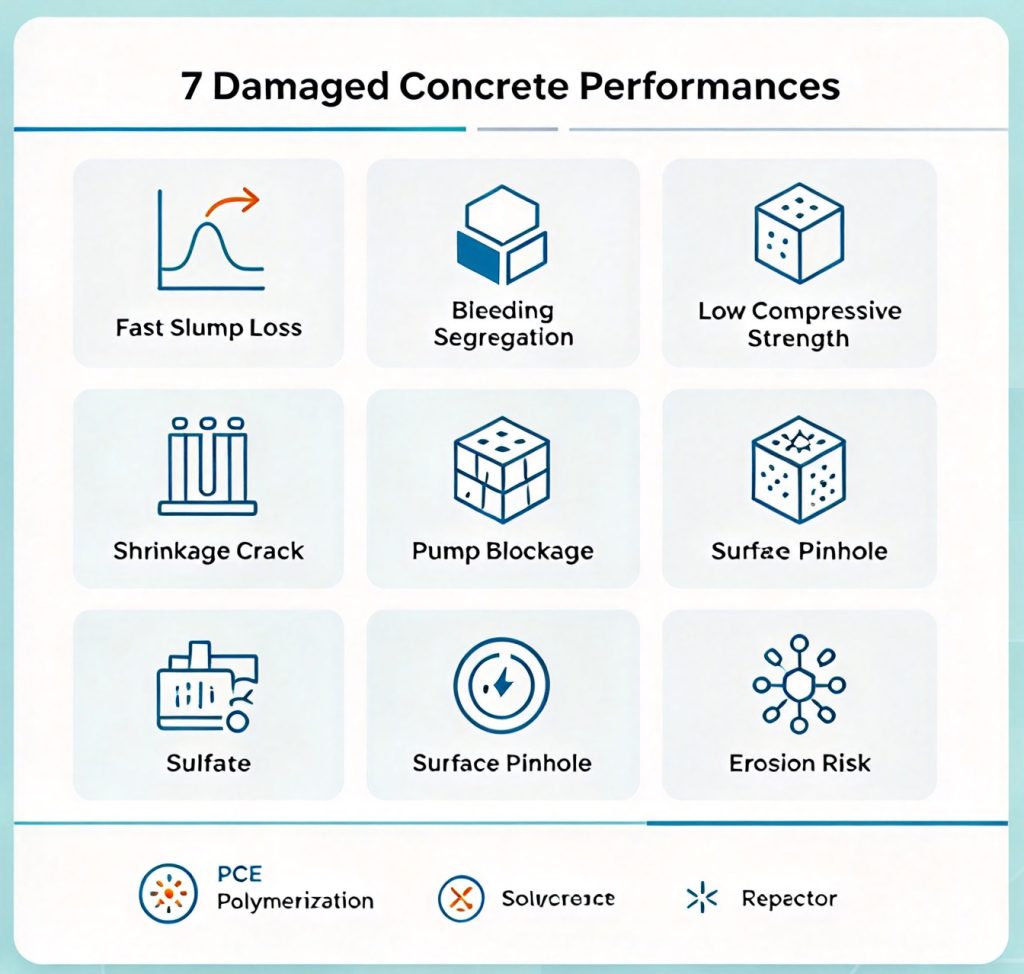
1. Severe Slump Loss & Degraded Slump Retention Performance
The core sulfonate functional groups of qualified Sodium Methallyl Sulfonate provide long-term electrostatic repulsion for sustained cement dispersion, while excess sulfate impurities compete for adsorption sites on cement mineral surfaces.
- Soluble sulfate ions originating from impure Sodium Methallyl Sulfonate preferentially adsorb onto positively charged C3A and C4AF phases of cement, occupying anchoring positions that should be taken by sulfonate groups grafted from SMAS on polycarboxylate chains.
- Less effective PCE molecules can stably attach to cement particles, so initial fluidity drops rapidly after mixing concrete. Within 30–60 minutes, slump loss exceeds standard limits, failing the transport and pumping requirements of ready-mix concrete.
- Even if manufacturers increase the feeding dosage of Sodium Methallyl Sulfonate to compensate for impurity interference, surplus sulfate from SMAS further disturbs adsorption balance and cannot restore stable slump retention.
2. Concrete Bleeding, Segregation & Poor Cohesion
Excessive sulfate impurities introduced by low-purity Sodium Methallyl Sulfonate raise the ionic strength of concrete pore solution and destroy the stable colloidal flocculation network.
- High sulfate concentration compresses the electric double layer of cement particles, weakening inter-particle cohesion. Free mixing water separates upward under gravity, resulting in surface bleed water, aggregate sinking and layered segregation.
- Concrete mixed with PCE synthesized from high-sulfate SMAS shows obvious laitance on the surface after pouring, with poor anti-segregation ability especially for high-fluidity self-compacting concrete.
- Unreacted sulfate residues from Sodium Methallyl Sulfonate also increase foaming tendency, generating oversized unstable bubbles that aggravate water separation and bleeding defects.
3. Weakened Anti-Clay & Anti-Salt Adaptability of Fresh Concrete
High-clay aggregates and saline mixing water already contain massive cations that offset PCE dispersion effects; sulfate impurities from Sodium Methallyl Sulfonate amplify this negative interference.
- Montmorillonite clay rapidly absorbs both polycarboxylate chains and free sulfate ions brought by SMAS. Dual consumption of effective admixture molecules drastically reduces the tolerance of concrete to muddy aggregates.
- In high-salinity construction environments, accumulated sulfate from impure Sodium Methallyl Sulfonate intensifies cation-sulfate ion pairing, further weakening the steric hindrance provided by SMAS-derived sulfonate groups on copolymer chains. The concrete thickens quickly and loses workability.
4. Reduced Early & Late Compressive Strength of Hardened Concrete
Excess sulfate from Sodium Methallyl Sulfonate disturbs normal cement hydration progress and generates expansive harmful hydration products.
- Sulfate ions react with tricalcium aluminate in cement to form ettringite rapidly at early hydration stage. Fast ettringite crystallization wraps cement particles and slows down hydration degree, leading to low 1d, 3d early compressive strength.
- Long-term internal sulfate expansion inside concrete produces microcracks in the hardened matrix, loosening the internal compact structure and reducing 28d ultimate compressive strength. The strength decline becomes more prominent in high-strength high-performance concrete relying on high-purity Sodium Methallyl Sulfonate.
5. Increased Drying Shrinkage & Higher Risk of Sulphate Erosion Damage
Sulfate impurities carried by unqualified Sodium Methallyl Sulfonate remain permanently inside concrete pores after hardening.
- Residual soluble sulfate raises pore solution osmotic pressure, accelerating water migration and evaporation during concrete drying. The material exhibits larger drying shrinkage, bringing higher risks of surface shrinkage cracks, especially for thin-wall precast components.
- For concrete structures exposed to underground brine or sulfate-rich soil, extra internal sulfate from SMAS superimposes external sulfate attack. Double sulfate erosion accelerates matrix cracking, reduces service life of roads, bridges and underground engineering.
6. Deteriorated Pumpability & Blockage Risk During On-Site Construction
Unbalanced dispersion caused by excess sulfate from Sodium Methallyl Sulfonate changes the rheological property of fresh concrete.
- Concrete mixed with high-sulfate SMAS-produced PCE shows fluctuating yield stress and plastic viscosity. During pumping, instantaneous thickening easily blocks pump pipes and delivery hoses, causing frequent construction interruptions.
- Segregated aggregate and bleed water separate inside pump pipelines; coarse aggregate deposits at pipe elbows, increasing pipeline cleaning frequency and construction labor costs.
7. Poor Surface Appearance of Cast Concrete Components
Bleeding, uneven bubble distribution and shrinkage cracks triggered by sulfate impurities from Sodium Methallyl Sulfonate damage finished concrete surface quality.
- Bleed water accumulates on the top surface of cast parts, forming loose powdery laitance layer that easily peels off after curing.
- Unstable large bubbles induced by sulfate residues leave numerous pinholes and honeycomb voids on formwork surfaces, requiring extra surface repair work and lowering the aesthetic grade of finished components.
Control Solutions to Eliminate Sulfate Impairments From Sodium Methallyl Sulfonate
- Inspect sulfate impurity content for every batch of Sodium Methallyl Sulfonate before feeding; limit sulfate content in SMAS below 0.3% as the production standard.
- Select high-purity Sodium Methallyl Sulfonate with low residual sulfate to ensure sufficient effective sulfonate grafting on PCE chains.
- Adjust the effective molar dosage of Sodium Methallyl Sulfonate proportionally if sulfate impurity exceeds limits, offsetting adsorption competition from excess sulfate ions.
- Optimize copolymerization process parameters to improve the conversion rate of Sodium Methallyl Sulfonate, reducing free sulfate residue carried into finished polycarboxylate superplasticizer.