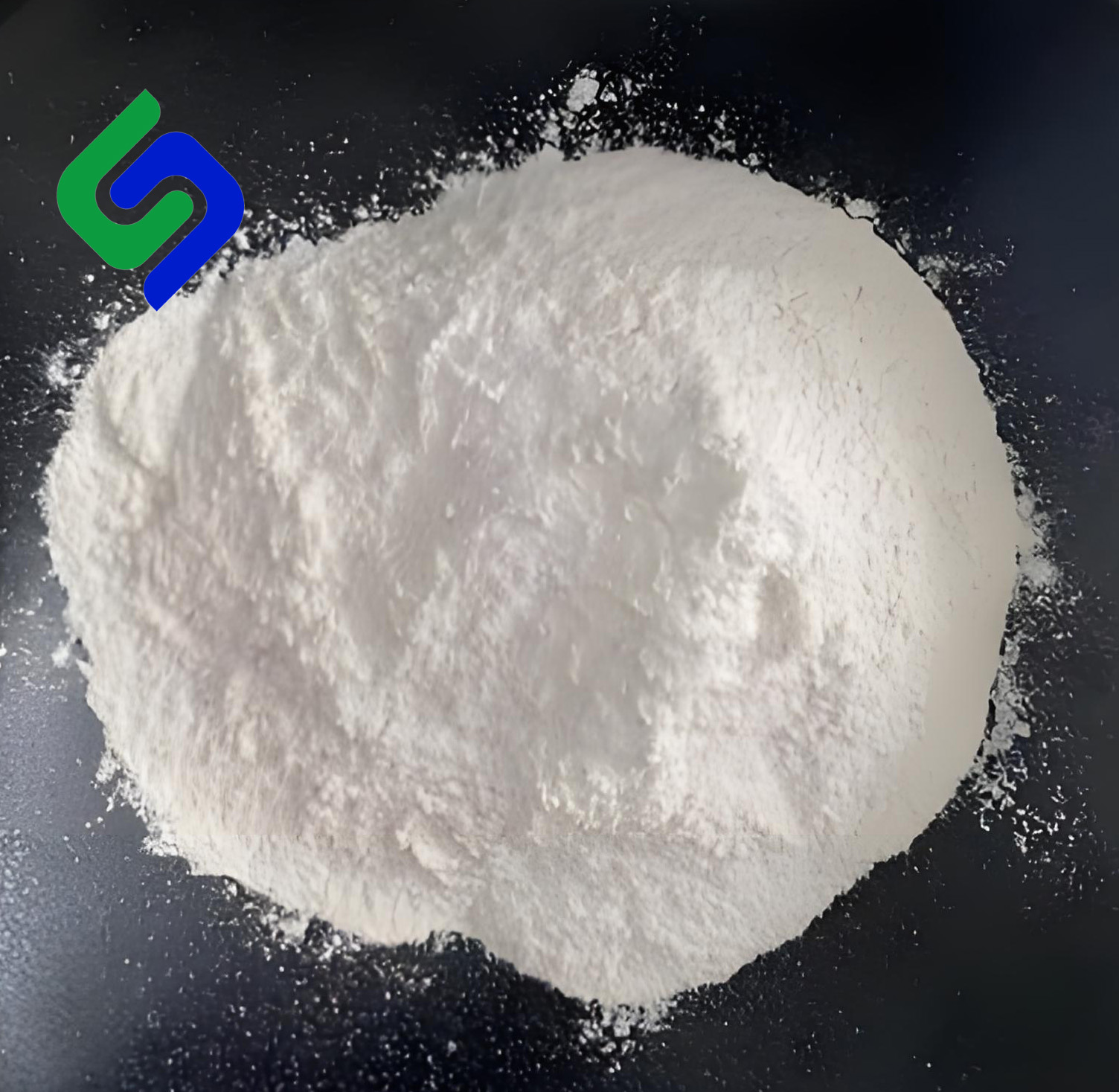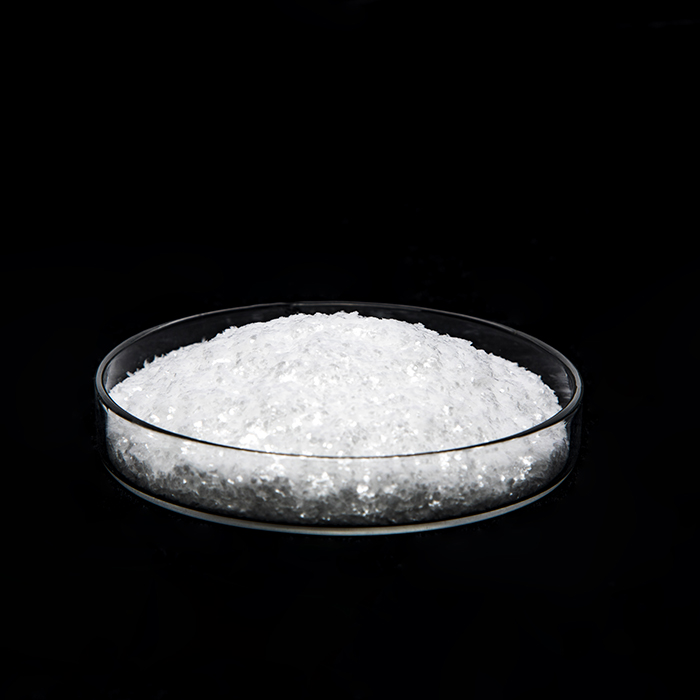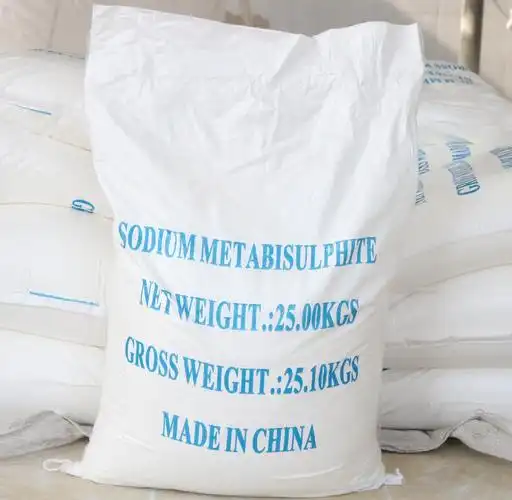

Sodium Methallyl Sulfonate, abbreviated as SMAS, is an indispensable bifunctional monomer for manufacturing construction polycarboxylate superplasticizer. The quality of purchased Sodium Methallyl Sulfonate directly determines copolymerization stability, finished admixture performance and concrete construction effects. If manufacturers skip critical index inspection before warehousing unqualified SMAS, a series of production failures will occur: uncontrollable polymer molecular weight, severe slump loss, concrete bleeding, pipeline blockage and high COD wastewater. This article lists all mandatory test indicators for construction-grade Sodium Methallyl Sulfonate procurement, explains the failure risks of unqualified SMAS, and standardizes acceptance standards, with natural full-text layout of Sodium Methallyl Sulfonate and SMAS keywords.
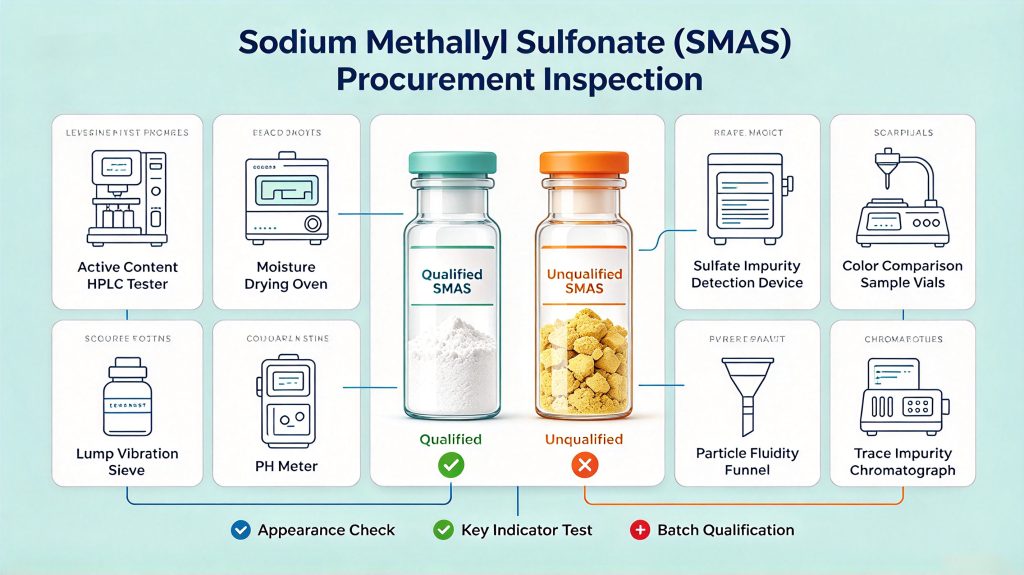
1. Effective Active Content of Sodium Methallyl Sulfonate (Core Quantitative Index)
Effective active content is the most fundamental testing item for construction-grade SMAS procurement, representing the actual polymerizable Sodium Methallyl Sulfonate proportion in raw powder.
- Qualified standard: Active content ≥98.0% for construction-grade Sodium Methallyl Sulfonate.
- Production failure risks of low active SMAS: When feeding is calculated by gross weight without deducting inactive impurities, the real molar dosage of Sodium Methallyl Sulfonate is insufficient. The chain transfer regulation function of SMAS fails, generating over-high molecular cross-linked polymers or ultra-short fragments, leading to unstable water reduction rate and rapid slump loss of finished PCE.
- Testing method: Liquid chromatography titration to quantify pure Sodium Methallyl Sulfonate components and eliminate interference from inorganic salts and hydrolyzed fragments.
2. Moisture Content of SMAS
Sodium Methallyl Sulfonate has strong hygroscopicity; excess moisture is a common hidden trouble during SMAS transportation and storage.
- Qualified standard: Moisture ≤0.3% by mass.
- Production failure risks of over-limit moisture SMAS: High-moisture Sodium Methallyl Sulfonate deliquesces and agglomerates, blocking sealed feeding pipelines. Extra water triggers hydrolysis of Sodium Methallyl Sulfonate, reduces graft conversion rate of SMAS, dilutes initiator concentration and causes violent foaming of PCE mother liquor after polymerization.
- Testing method: Constant-temperature drying weight loss method to detect free and bound moisture inside SMAS powder.
3. Total Soluble Sulfate Impurity Content
Sulfate salt residues are main by-products generated during Sodium Methallyl Sulfonate purification, which seriously interfere with cement adsorption after entering PCE.
- Qualified standard: Soluble sulfate ≤0.3% mass fraction.
- Production failure risks of high-sulfate SMAS: Excess sulfate ions compete with sulfonate groups from Sodium Methallyl Sulfonate for cement surface adsorption sites. Concrete mixed with such PCE suffers obvious bleeding, segregation, reduced compressive strength and aggravated slump loss, especially for high-clay and high-salinity aggregate construction projects.
- Testing method: Turbidimetry or ion chromatography to quantify inorganic sulfate impurities in dissolved SMAS solution.
4. Appearance & Color Stability of Sodium Methallyl Sulfonate
Visual inspection is the fastest preliminary screening index to identify oxidized and deteriorated SMAS.
- Qualified standard: Uniform white or off-white loose crystalline powder, no hard lumps, no yellow/brown discoloration, no peculiar ammonia odor.
- Production failure risks of discolored yellow SMAS: Yellowed Sodium Methallyl Sulfonate has undergone oxidative degradation, losing double bond activity. SMAS grafting density declines sharply, resulting in poor slump retention and anti-clay performance of finished superplasticizer; colored impurities also make PCE mother liquor turn amber and reduce customer acceptance.
- Testing method: Visual comparison with standard qualified SMAS sample under uniform light, lump rate screening via standard vibrating sieve.
5. Single Unknown Impurity & Total Miscellaneous Impurity Content
Organic by-products generated during incomplete SMAS synthesis cannot participate in copolymerization with TPEG and acrylic acid.
- Qualified standard: Single unknown organic impurity ≤0.2%, total miscellaneous impurities ≤1.0%.
- Production failure risks of over-limit organic impurities: Inactive fragments dilute the effective concentration of Sodium Methallyl Sulfonate, disrupt free radical balance during polymerization and produce massive insoluble SMAS homopolymer microgels. Microgel sediments block construction filter screens and cause uneven concrete dispersion.
- Testing method: HPLC high-performance liquid chromatography separation and area normalization quantification.
6. Particle Fluidity & Lump Rate of SMAS
Construction polycarboxylate production adopts automatic sealed continuous feeding, which puts strict requirements on the physical flow property of Sodium Methallyl Sulfonate.
- Qualified standard: Good free flow, lump rate (oversize hard agglomerates) ≤1.0%.
- Production failure risks of high lump-rate SMAS: Caked Sodium Methallyl Sulfonate cannot dissolve uniformly in dissolving tanks, leading to local high-concentration SMAS homopolymerization and intermittent pipeline blockage. Batch molecular weight fluctuation becomes prominent, disrupting continuous production schedules.
- Testing method: Standard vertical sieve vibration test to calculate the mass ratio of undispersed hard lumps.
7. PH Value of Aqueous Sodium Methallyl Sulfonate Solution
PH reflects residual acid/alkali catalyst carried by SMAS, which affects redox initiator activity.
- Qualified standard: 10% SMAS aqueous solution PH = 7.5–9.5.
- Production failure risks of abnormal PH SMAS: Excess acid residues in Sodium Methallyl Sulfonate neutralize redox initiators and slow radical generation; over-alkaline SMAS accelerates rapid self-polymerization of SMAS, generating gel impurities in the reactor. Both conditions reduce the conversion rate of Sodium Methallyl Sulfonate and cause unstable PCE viscosity.
- Testing method: PH meter measurement of standard SMAS aqueous solution at room temperature.
8. Melamine & Foreign Triazine Cross-Contamination Trace Detection
Although rare, triazine contaminants mixed into Sodium Methallyl Sulfonate during supplier packaging will cause irreversible quality accidents.
- Qualified standard: No detectable melamine, urea or other triazine impurities.
- Production failure risks of contaminated SMAS: Triazine substances interfere with copolymerization side reactions, generate persistent chromatographic impurities and lead to abnormal concrete setting time.
- Testing method: HPLC or UV spectrophotometry trace screening before bulk SMAS warehousing.
Consequences of Skipping SMAS Procurement Index Testing
- Unstable molecular weight distribution of polycarboxylate superplasticizer, large batch-to-batch performance deviation.
- Severe concrete slump loss, bleeding and segregation, failing ready-mix concrete delivery standards.
- Frequent feeding pipeline blockage and reactor gel accumulation, forcing production line shutdown and cleaning.
- Increased wastewater COD value, rising environmental treatment cost and failing factory emission standards.
- Customer complaints, order compensation and long-term loss of construction project clients.
Standard Procurement Acceptance Operation Flow
- Random multi-point sampling from different positions of SMAS bulk cargo upon arrival;
- Complete all 8 above index tests within 4 hours;
- Only fully qualified Sodium Methallyl Sulfonate can be unloaded into sealed low-humidity warehouse;
- Isolate and return all unqualified SMAS batches to suppliers, prohibit mixing with qualified SMAS for production.