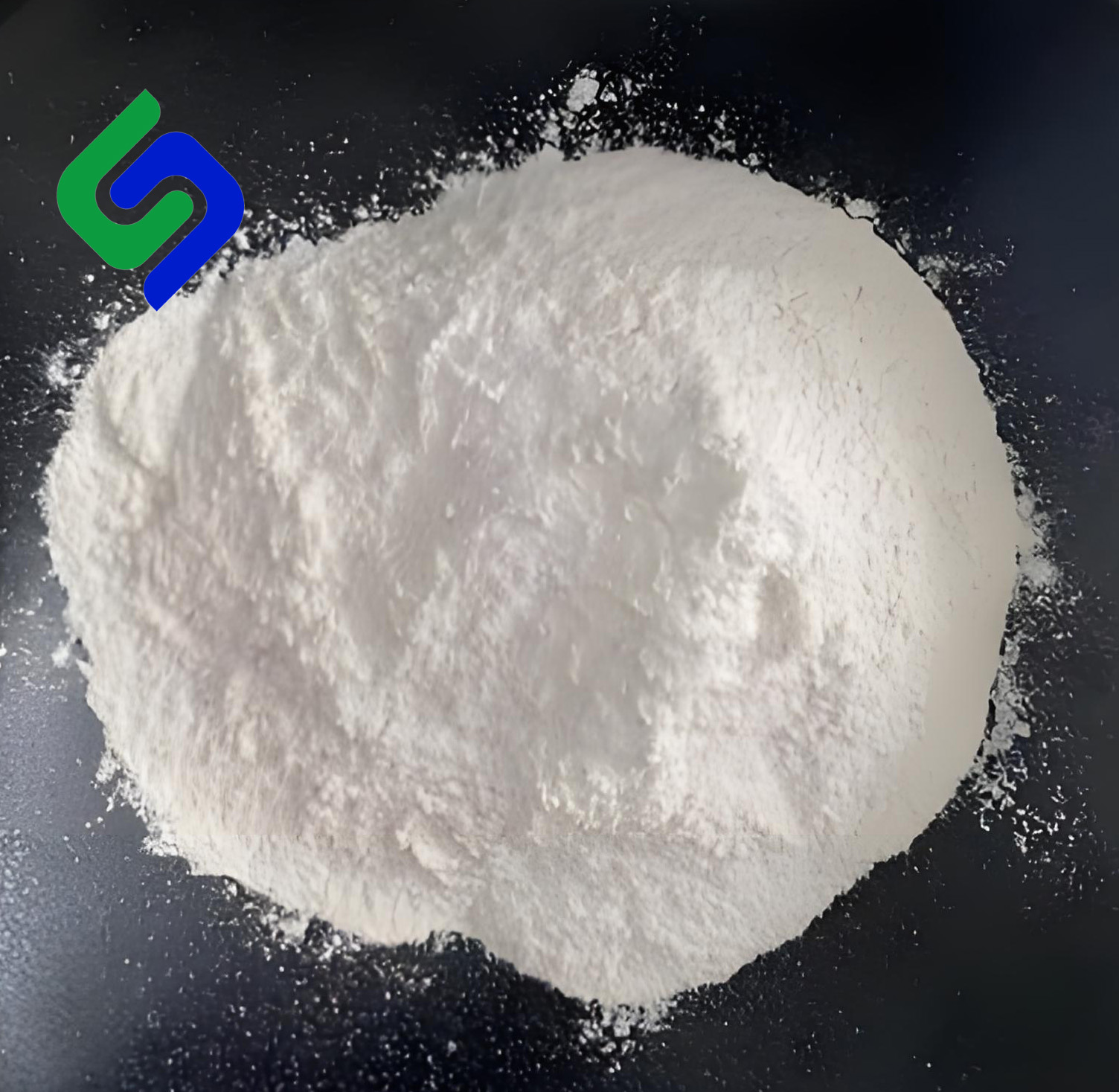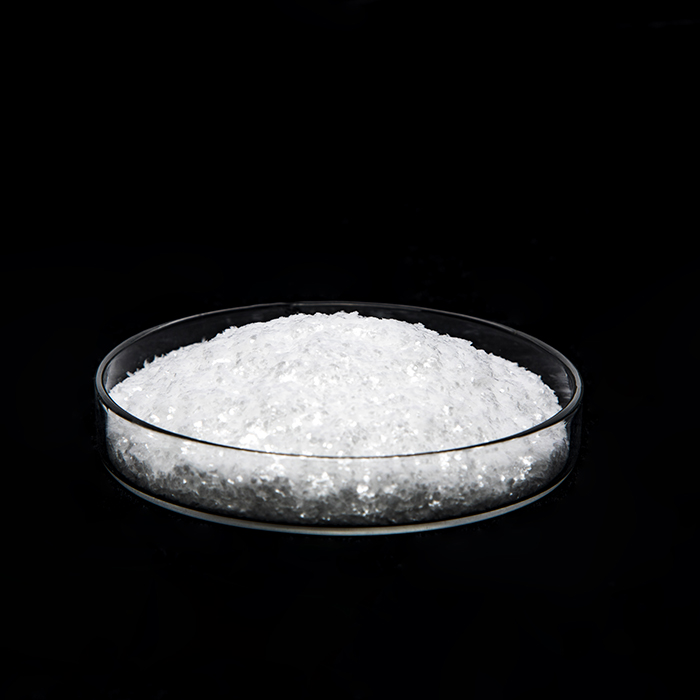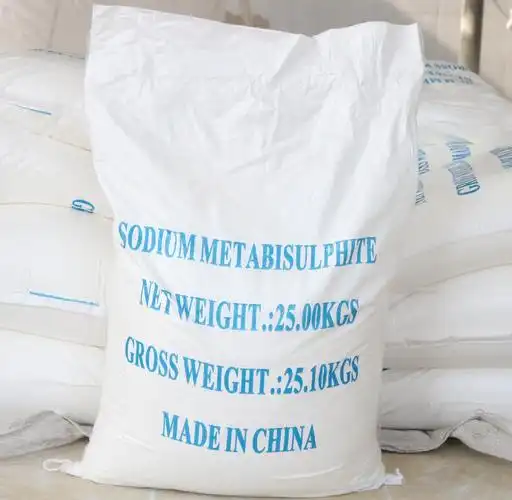

Sodium Methallyl Sulfonate, abbreviated as SMAS, is a highly hygroscopic sulfonated monomer for polycarboxylate superplasticizer production. Long-term improper storage allows Sodium Methallyl Sulfonate to absorb water vapor from the air, resulting in deliquescence, hard caking, hydrolysis degradation and yellow discoloration—collectively defined as moisture failure of SMAS. Moisture-failed Sodium Methallyl Sulfonate loses stable chain transfer and sulfonate grafting performance, triggering severe polymerization abnormalities and unqualified finished PCE products. This article sorts out all core standardized key points to block moisture failure of SMAS during long-term warehouse storage, with natural distribution of Sodium Methallyl Sulfonate and SMAS keywords across all paragraphs.
1. Strict Double-Layer Moisture-Proof Packaging For SMAS Raw Material
Packaging is the first physical barrier to isolate Sodium Methallyl Sulfonate from ambient humidity during long-term storage.
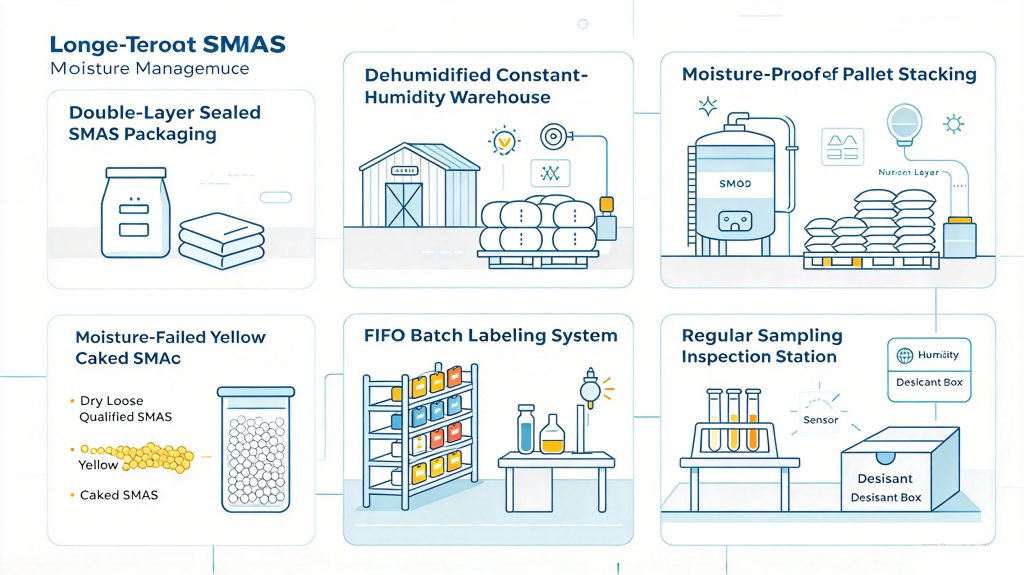
- Require suppliers to adopt dual-layer packaging for industrial Sodium Methallyl Sulfonate: inner sealed PE moisture-proof plastic bag + outer woven polypropylene sack. The inner liner must be fully heat-sealed without pinholes, cracks or loose openings.
- Inspect all SMAS packages upon inbound delivery; reject any Sodium Methallyl Sulfonate bags with torn liners, broken seals or damp outer surfaces, as these batches already start moisture absorption.
- For unpacked partial SMAS stock left after daily feeding, immediately reseal the inner plastic liner with heat sealer and tie the outer sack tightly; never leave Sodium Methallyl Sulfonate open to air overnight for long-term storage.
- Avoid stacking heavy goods on SMAS packages to prevent liner rupture and subsequent moisture infiltration into Sodium Methallyl Sulfonate powder.
2. Constant Low-Humidity & Stable Temperature Warehouse Environment Control
Ambient humidity and temperature are the root external factors accelerating moisture failure of Sodium Methallyl Sulfonate in long-term storage.
- Set dedicated independent storage warehouse for SMAS, separated from water pipelines, cooling towers, windows and factory drainage channels; prevent water vapor diffusion into SMAS stacking zones.
- Maintain warehouse relative humidity stably below 55% RH year-round; install industrial dehumidifiers with automatic humidity linkage control, which activate dehumidification once RH exceeds 60%.
- Keep warehouse constant temperature between 10℃–25℃. High temperature above 30℃ intensifies the hygroscopic capacity of Sodium Methallyl Sulfonate and speeds up hydrolysis of SMAS after absorbing moisture.
- Equip temperature & humidity recording sensors in multiple stacking areas of SMAS warehouse to track 24-hour environmental data, eliminating local high-humidity dead zones that damage Sodium Methallyl Sulfonate.
- Block direct sunlight on SMAS packages with shading baffles; solar heating raises package surface temperature and creates condensation inside sealed bags, causing internal SMAS deliquescence.
3. Standardized Stacking Rules To Avoid Condensation & Ground Moisture Uptake
Improper stacking leads to ground moisture migration and internal bag condensation, two common causes of long-term SMAS moisture failure.
- Place all SMAS pallets 10–15 cm above concrete warehouse floors with moisture-proof plastic or wooden pallets; direct contact with cold ground generates condensation at the bottom of Sodium Methallyl Sulfonate bags.
- Limit stacking height of SMAS sacks within 6 layers. Excessive stacking compresses packaging liners and squeezes out internal air, easily forming condensed water droplets inside bags during temperature fluctuations, which soak Sodium Methallyl Sulfonate into hard lumps.
- Leave 30 cm ventilation gaps between SMAS stacking piles and warehouse walls, and reserve 50 cm passages between pile groups; air circulation avoids local high-humidity stagnation surrounding Sodium Methallyl Sulfonate stock.
- Do not store SMAS beside water-soluble raw materials or liquid chemical tanks; volatile water vapor from adjacent goods penetrates SMAS packaging over long-term storage.
4. Scientific Inventory Management: First-In First-Out & Batch Segregation
Extended storage cycle drastically increases moisture failure risk of Sodium Methallyl Sulfonate; scientific inventory turnover minimizes SMAS standing time in warehouse.
- Enforce strict FIFO (First-In, First-Out) management for all SMAS batches; mark production date on every pallet of Sodium Methallyl Sulfonate, and prioritize feeding batches with earlier manufacturing dates.
- Control maximum safe storage cycle of SMAS within 60 days. Sodium Methallyl Sulfonate stored over 90 days has sharply higher probability of slight deliquescence and yellow oxidation even under qualified humidity conditions.
- Segregate newly arrived SMAS batches from aged stock; conduct regular appearance sampling inspection on long-stored Sodium Methallyl Sulfonate every 15 days to detect early signs of dampness or caking before full moisture failure occurs.
- Separate slightly damp or partial caked SMAS batches into independent quarantine areas; never mix potentially moisture-failed Sodium Methallyl Sulfonate with intact dry SMAS for long-term co-storage.
5. Auxiliary Anti-Moisture Treatment Inside SMAS Storage Space
Add passive dehumidification auxiliary materials to further suppress moisture absorption of Sodium Methallyl Sulfonate during long-term static storage.
- Place large-capacity calcium chloride desiccant boxes around SMAS stacking zones; replace desiccants monthly to continuously reduce air water vapor content surrounding Sodium Methallyl Sulfonate.
- For bulk SMAS stored in large sealed silos, adopt low-pressure nitrogen blanketing technology. Inert nitrogen displaces humid air inside silos, forming a dry protective atmosphere that completely stops moisture contact with Sodium Methallyl Sulfonate powder.
- Avoid spraying cleaning water near SMAS storage areas; only perform dry dust cleaning in SMAS warehouse to prevent water mist floating and adhering to SMAS packaging.
6. Regular Routine Inspection & Early Disposal of Potential Moisture Failure
Timely inspection intercepts early dampness of Sodium Methallyl Sulfonate before irreversible SMAS moisture failure develops.
- Daily visual check of SMAS package surfaces: mark any sacks with water stains, foggy inner liners or soft bottom lumps as high-risk moisture failure batches.
- Every two weeks, randomly open 1–2 sealed bags from each SMAS pallet for sampling inspection; observe whether Sodium Methallyl Sulfonate remains loose white powder without yellowing or sticky agglomerates.
- Once early moisture signs are detected (slight soft lumps, faint yellow tint), arrange priority feeding of this SMAS batch within 7 days, and conduct active content & moisture testing before polymerization to adjust SMAS feeding dosage proportionally.
- Fully isolate severely deliquesced, hardened or yellowed moisture-failed SMAS; stop long-term storage and arrange return or special low-grade formula consumption to avoid polluting qualified dry Sodium Methallyl Sulfonate inventory.
Consequences Ignoring Long-Term SMAS Anti-Moisture Storage Key Points
- Sodium Methallyl Sulfonate absorbs moisture and forms hard caked lumps, blocking automatic sealed feeding pipelines during PCE production.
- Excess stored moisture triggers hydrolysis of SMAS, reducing effective active content and grafted sulfonate groups, leading to fast slump loss of finished polycarboxylate superplasticizer.
- Long-term damp SMAS oxidizes and turns yellow, generating colored impurities that discolor PCE mother liquor and increase microgel by-products in polymerization.
- Condensed water inside SMAS bags raises batch moisture fluctuation, causing unstable molecular weight distribution and large performance deviation between PCE production batches.