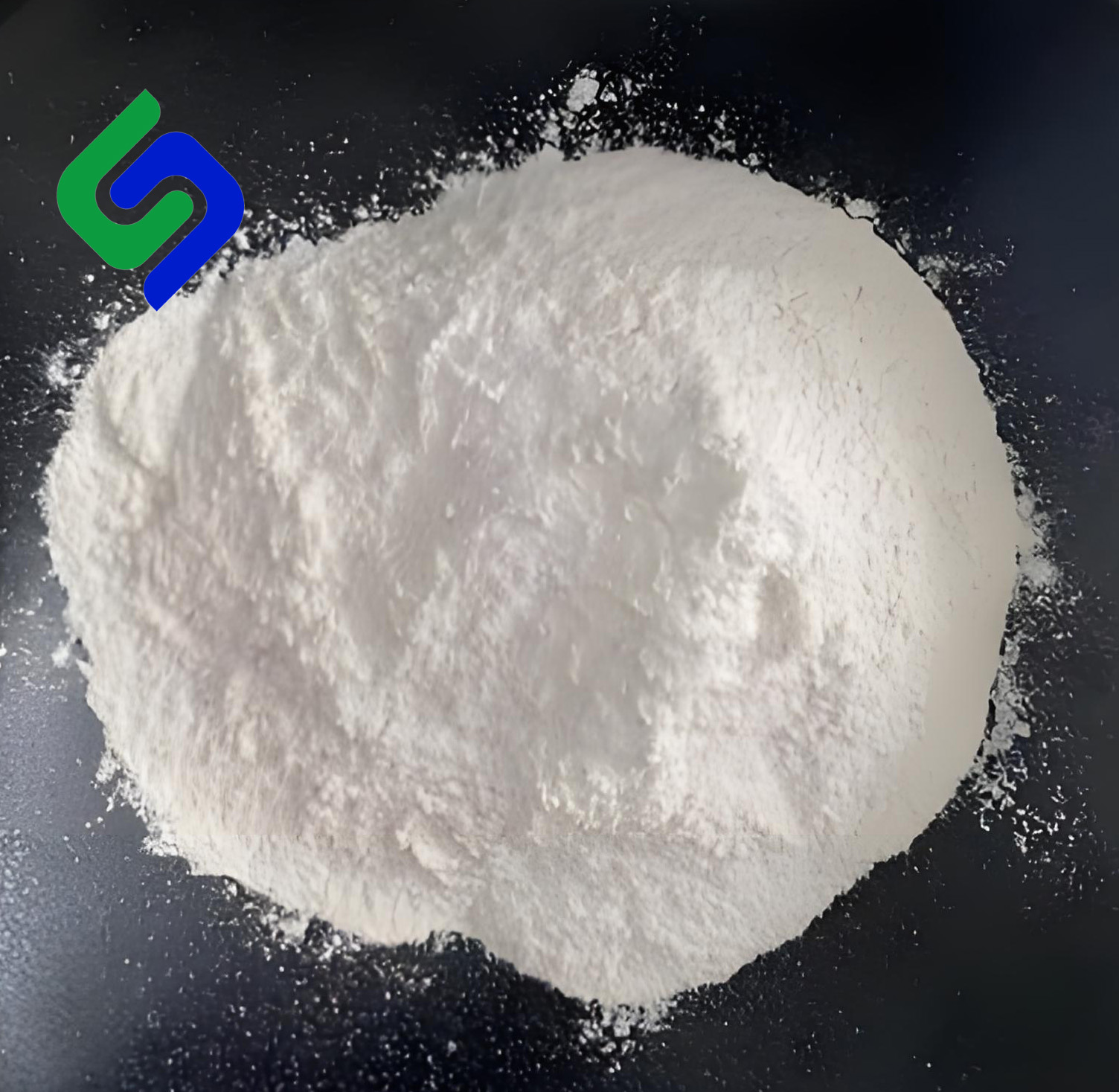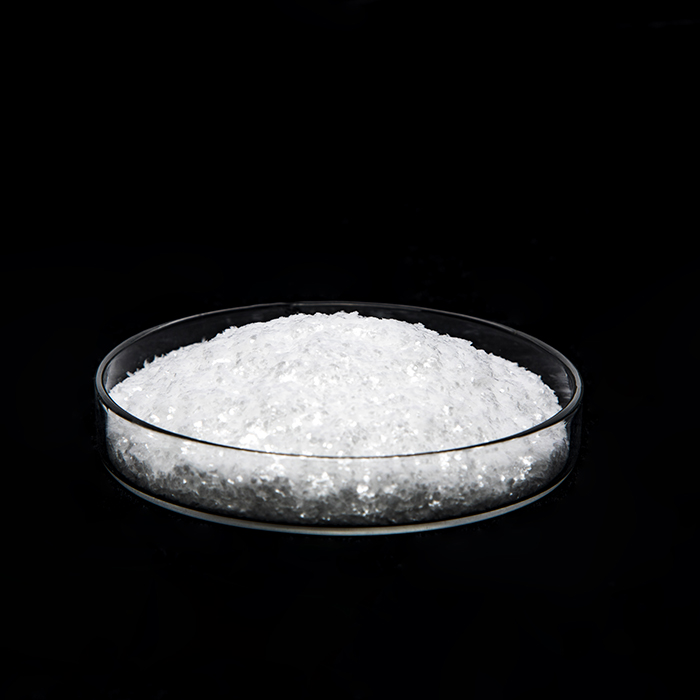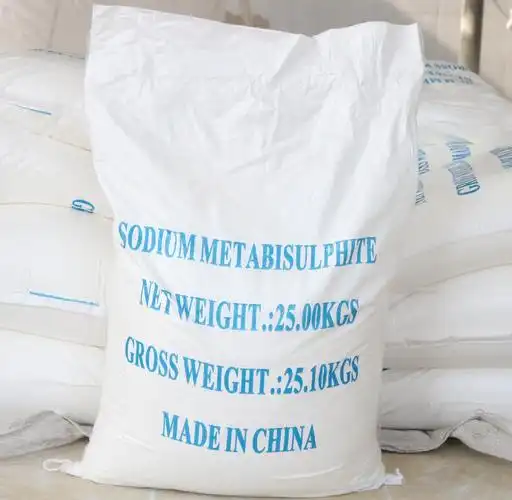

Sodium Methallyl Sulfonate, abbreviated as SMAS, is a bifunctional monomer in polycarboxylate ether (PCE) superplasticizer polymerization. Sodium Methallyl Sulfonate provides sulfonate adsorption groups and acts as a mild chain transfer agent, while acrylic acid supplies carboxyl anchoring groups for cement dispersion. The feeding sequence of SMAS and acrylic acid directly controls copolymer molecular weight distribution, sulfonate group grafting uniformity, monomer conversion rate of Sodium Methallyl Sulfonate, and finished PCE slump retention performance. Disordered addition of SMAS and acrylic acid easily triggers local high-concentration polymerization, severe gelation, unstable molecular weight and low utilization of Sodium Methallyl Sulfonate. This article summarizes standardized feeding sequence rules of SMAS and acrylic acid for PCE mother liquor synthesis, with natural distribution of Sodium Methallyl Sulfonate and SMAS throughout the text.
1. Pre-Dissolution Separation Rule for SMAS and Acrylic Acid Before Feeding
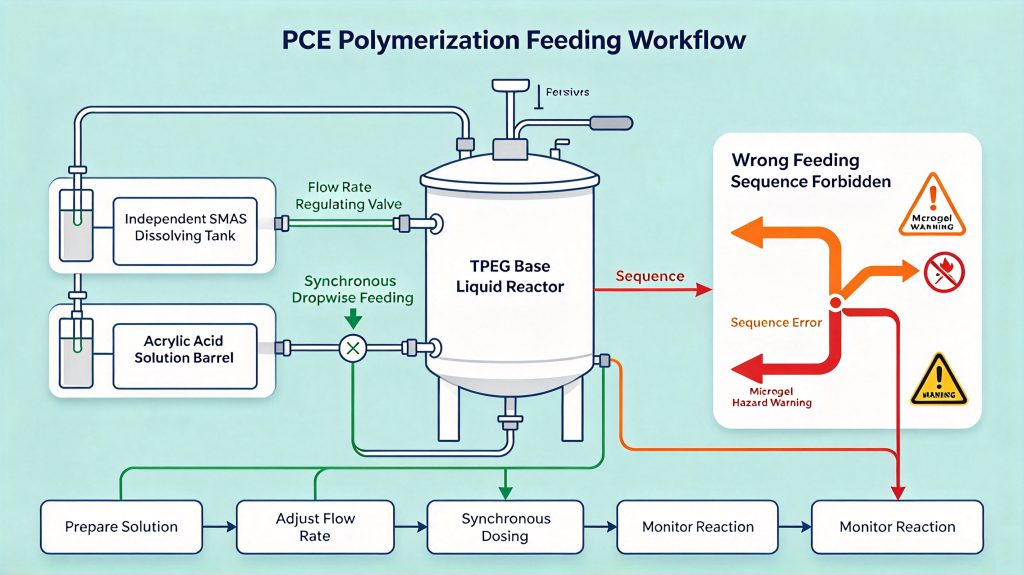
Sodium Methallyl Sulfonate has strong hygroscopicity and different dissolution reaction activity from acrylic acid; mixed pre-dissolution is forbidden.
- Dissolve SMAS independently in room-temperature deionized water to prepare uniform SMAS aqueous solution. Complete stirring eliminates SMAS agglomerates, ensuring stable feeding concentration of Sodium Methallyl Sulfonate.
- Prepare acrylic acid monomer solution separately without mixing with SMAS stock solution in advance. If acrylic acid contacts high-concentration SMAS liquid statically, local spontaneous partial polymerization occurs, consuming Sodium Methallyl Sulfonate in advance and generating invalid microgel impurities.
- Filter dissolved SMAS solution through fine screens to remove undissolved Sodium Methallyl Sulfonate solid lumps that may block dropwise feeding pipelines during compounding.
2. Base Material Priming Rule: Add TPEG Macromonomer Into Reactor First
Before adding any SMAS or acrylic acid, fully inject TPEG macromonomer and deionized water into the stirring reactor as base liquid, and stabilize reaction temperature to the set range (55–65℃).
- Uniform TPEG liquid phase provides stable grafting sites for subsequent SMAS and acrylic acid. If SMAS or acrylic acid is added to empty reactors first, high monomer concentration leads to self-polymerization of Sodium Methallyl Sulfonate instead of graft copolymerization with polyether side chains.
- Start continuous stirring of base liquid before SMAS and acrylic acid dropwise feeding to avoid local accumulation of Sodium Methallyl Sulfonate and uneven copolymer chain growth.
3. Synchronous Co-Dropwise Feeding Core Rule for SMAS and Acrylic Acid
This is the most critical sequence rule for polycarboxylate mother liquor compounding: SMAS aqueous solution and acrylic acid solution must be dripped into the reactor simultaneously with matched feeding speed.
- Set proportional flow rates for SMAS and acrylic acid according to pre-calculated molar ratio of Sodium Methallyl Sulfonate to acrylic acid. Synchronous feeding guarantees uniform distribution of sulfonate groups from SMAS and carboxyl groups from acrylic acid on each copolymer molecular chain.
- If acrylic acid is dripped faster than SMAS, excessive free radicals consume polymer chains without enough Sodium Methallyl Sulfonate chain transfer control, forming over-high molecular weight PCE with poor slump retention.
- If SMAS feeding speed exceeds acrylic acid, surplus Sodium Methallyl Sulfonate gathers locally to trigger homopolymerization of SMAS, producing insoluble gel sediment and reducing effective conversion rate of Sodium Methallyl Sulfonate.
- The total dropwise feeding period of SMAS and acrylic acid is controlled within 2.5–4 hours; maintain stable speed without sudden acceleration or pause during adding Sodium Methallyl Sulfonate and acrylic acid.
4. Initiator Matching Feeding Sequence Rule
Initiator solution dropwise feeding must align with the start and end time of SMAS and acrylic acid addition.
- Start initiator dripping 5–10 minutes earlier than SMAS and acrylic acid to build stable free radical concentration before Sodium Methallyl Sulfonate participates in graft reaction.
- Stop initiator feeding slightly later than SMAS and acrylic acid to fully consume residual unreacted Sodium Methallyl Sulfonate and acrylic acid monomers after dropwise addition ends.
- Never add all initiator at one time before SMAS feeding; instantaneous radical explosion causes violent local polymerization and massive SMAS homopolymerization of Sodium Methallyl Sulfonate.
5. Forbidden Wrong Feeding Sequences of SMAS and Acrylic Acid
5.1 Forbidden: One-Time Bulk Addition of SMAS or Acrylic Acid
Pouring all SMAS into reactor at once creates ultra-high local concentration of Sodium Methallyl Sulfonate, triggering massive SMAS self-homopolymerization and large gel masses attached to reactor walls. One-shot acrylic acid addition leads to rapid chain growth without SMAS chain transfer regulation.
5.2 Forbidden: Feed Acrylic Acid Fully First, Then Add SMAS
Early excess acrylic acid generates long polymer chains lacking sulfonate functional groups from Sodium Methallyl Sulfonate. Late supplemented SMAS cannot evenly graft onto existing chains, resulting in PCE products with weak anti-clay performance and fast slump loss.
5.3 Forbidden: Feed All SMAS First, Then Drop Acrylic Acid
A large amount of Sodium Methallyl Sulfonate undergoes independent homopolymerization without acrylic acid co-monomer, forming useless SMAS microgel that cannot improve concrete dispersion performance. Subsequent acrylic acid polymerizes separately to form two-phase mixed polymer with unstable viscosity.
6. Post-Feeding Heat Preservation Sequence Rule After SMAS and Acrylic Acid Addition
After complete dropwise feeding of SMAS and acrylic acid, keep constant reaction temperature for 1.5–2 hours without cooling down immediately.
- Heat preservation promotes residual trace Sodium Methallyl Sulfonate and acrylic acid to finish graft copolymerization, lifting total conversion rate of SMAS and reducing free Sodium Methallyl Sulfonate residue in mother liquor.
- Avoid rapid cooling right after SMAS feeding; unreacted Sodium Methallyl Sulfonate remains in finished mother liquor, increasing foaming tendency of PCE during concrete mixing.
7. Batch Adjustment Sequence Rule for Variable SMAS Dosage
When adjusting the molar ratio of Sodium Methallyl Sulfonate for different PCE grades, only modify the flow rate of SMAS dropwise pipeline while keeping acrylic acid feeding speed stable, and extend or shorten the synchronous feeding time window proportionally to maintain matching sequence balance between SMAS and acrylic acid.