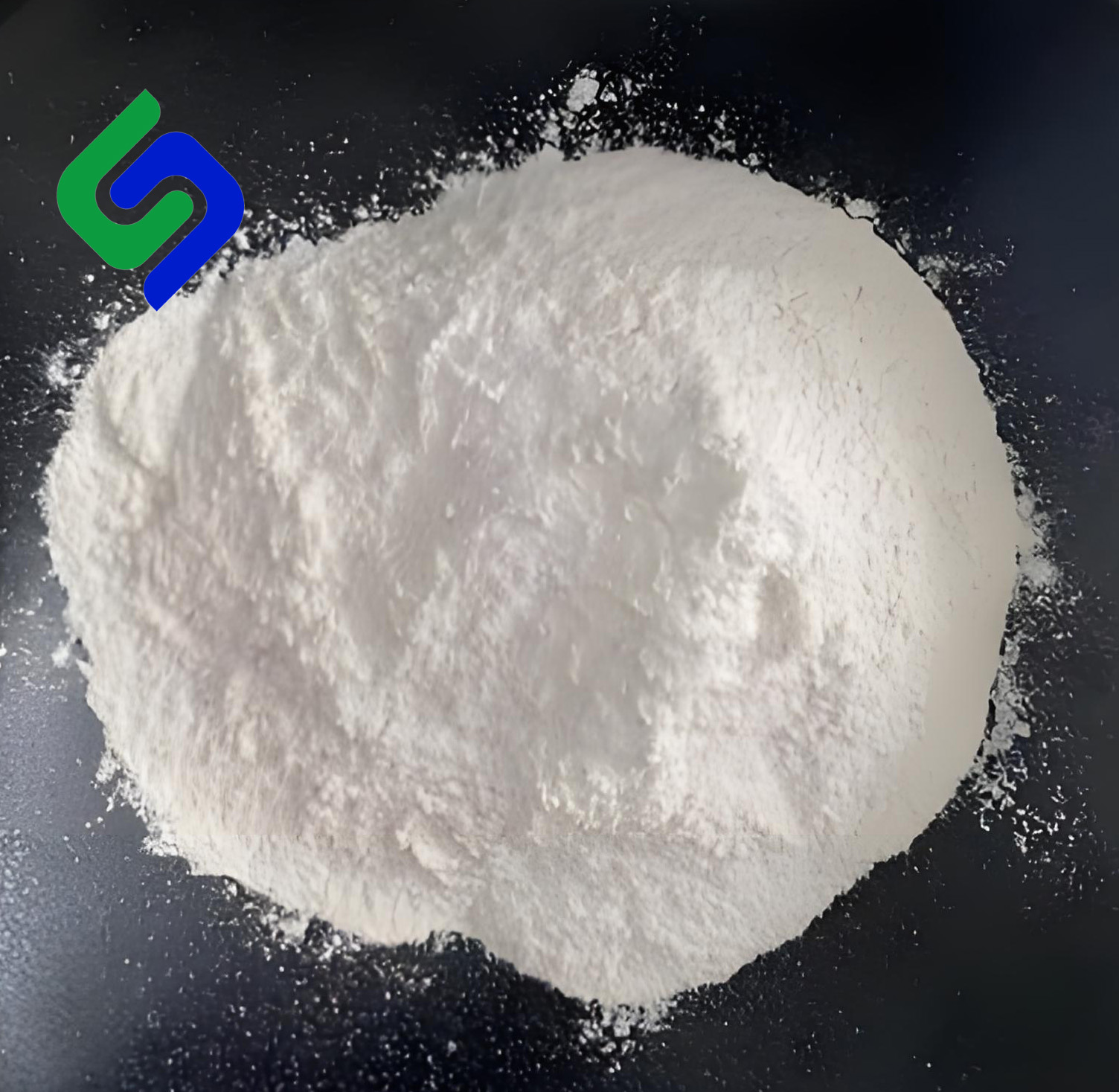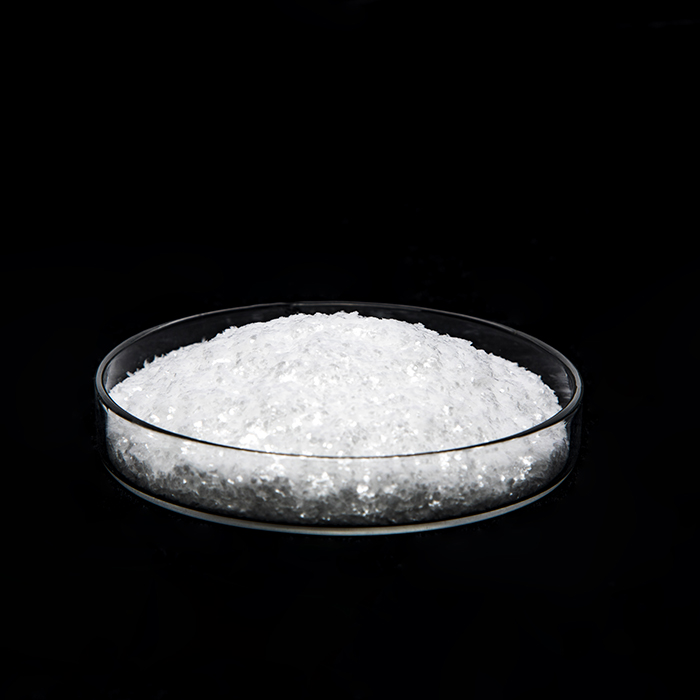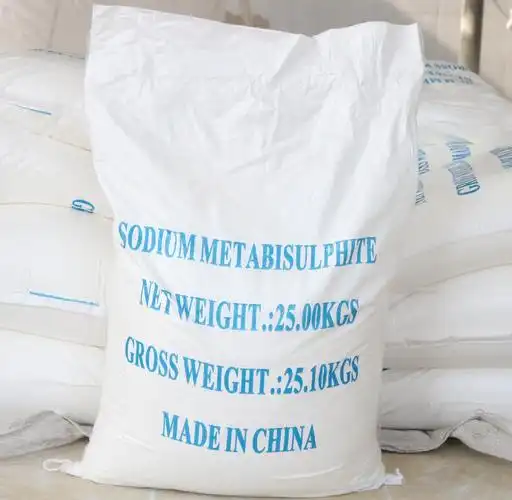
Sodium Methallyl Sulfonate, shortened as SMAS, is a core bifunctional monomer for polycarboxylate superplasticizer copolymerization, undertaking sulfonate group grafting and chain transfer regulation. Standard industrial Sodium Methallyl Sulfonate strictly controls moisture content below 0.3%. Once SMAS carries excessive free and bound moisture due to deliquescence, poor packaging or improper storage, extra water breaks the preset reaction stoichiometry, interferes free radical initiation, accelerates hydrolysis of Sodium Methallyl Sulfonate and triggers a series of irreversible abnormalities in the whole polymerization process. This article elaborates all reaction hazards induced by over-limit moisture inside Sodium Methallyl Sulfonate (SMAS), with natural full-text distribution of core keywords Sodium Methallyl Sulfonate and SMAS.
1. Distorted Molar Concentration Breaks Pre-Set Copolymerization Ratio
All polymerization formulas calculate feeding mass based on dry pure Sodium Methallyl Sulfonate. Excessive moisture dilutes the actual effective concentration of SMAS.
- When operators feed SMAS by gross weight without deducting excess water, the real molar dosage of Sodium Methallyl Sulfonate is far lower than design value. Insufficient SMAS cannot provide stable chain transfer control, leading to over-high molecular weight polymer chains and cross-linked gel flocs in the reactor.
- Extra water from wet SMAS raises the total liquid volume of the reaction system, diluting the concentration of TPEG, acrylic acid and initiator synchronously. The collision frequency between Sodium Methallyl Sulfonate and other monomers drops sharply, reducing the graft conversion rate of SMAS and leaving massive unreacted Sodium Methallyl Sulfonate residual in mother liquor.
- Batch-to-batch moisture fluctuation of SMAS causes unstable liquid phase proportion of each polymerization batch, resulting in inconsistent molecular weight distribution and uneven slump retention performance of finished PCE products.
2. Hydrolysis Degradation of Sodium Methallyl Sulfonate Reduces SMAS Functional Activity
Excessive moisture stored inside SMAS triggers slow hydrolysis of the allyl sulfonate structure of Sodium Methallyl Sulfonate before and during heating polymerization.
- Water molecules break the carbon-carbon double bond of partial Sodium Methallyl Sulfonate, generating inactive sulfite fragments and saturated byproducts that lose copolymerization activity. These hydrolyzed impurities cannot graft onto polyether backbones, wasting SMAS raw material and cutting sulfonate group density on copolymer chains.
- Hydrolysis by-products consume free radicals generated by initiators, offsetting the initiation efficiency and further lowering the effective utilization rate of Sodium Methallyl Sulfonate. PCE synthesized from high-moisture SMAS shows weak anti-clay capacity and rapid slump loss.
3. Initiator Deactivation & Disordered Radical Generation
Most redox initiator systems for SMAS copolymerization are sensitive to extra water and ion impurities brought by wet Sodium Methallyl Sulfonate.
- Excess water dilutes initiator concentration and slows radical generation speed. To compensate, workers often increase initiator dosage blindly, which leads to two extreme results alternately: insufficient radical to activate Sodium Methallyl Sulfonate, or instantaneous radical explosion triggering local violent polymerization.
- Deliquesced SMAS with high moisture always carries dissolved inorganic salt impurities. These electrolytes change the redox potential of the initiation system, making radical release out of sync with SMAS dropwise feeding. Local high radical concentration causes independent homopolymerization of Sodium Methallyl Sulfonate and produces insoluble microgel sediments at reactor bottom.
4. Extended Reaction Cycle & Unstable Temperature Control
Extra water introduced by high-moisture SMAS increases the specific heat capacity of the reaction liquid, bringing huge obstacles to constant temperature control during SMAS copolymerization.
- More heat is required to maintain the target polymerization temperature (55–65℃). Heating equipment runs at full load for longer time, and temperature fluctuation range expands beyond ±2℃. Temperature drift changes the chain transfer constant of Sodium Methallyl Sulfonate, worsening molecular weight disorder.
- After finishing SMAS and acrylic acid dropwise feeding, the heat preservation stage needs to be prolonged by 1–2 hours to consume residual Sodium Methallyl Sulfonate, reducing single-batch production efficiency and increasing energy consumption.
5. Severe Mother Liquor Foaming & Post-Treatment Difficulties
Unreacted hydrolyzed fragments of Sodium Methallyl Sulfonate and free residual SMAS from high-moisture raw materials form stable foam inside PCE mother liquor.
- A large amount of tiny persistent foam accumulates during neutralization and cooling, overflowing the reactor and causing material loss. Extra defoamer must be added, raising production cost and possibly weakening concrete surface strength.
- Wastewater discharged after polymerization contains high-concentration residual Sodium Methallyl Sulfonate and hydrolysis by-products from wet SMAS, pushing up wastewater COD value and increasing the burden of flocculation and oxidation environmental treatment.
6. Pipeline Blockage & Equipment Corrosion Hidden Danger
Excessive moisture makes Sodium Methallyl Sulfonate sticky and prone to forming soft agglomerates during feeding.
- Wet SMAS adheres to the inner wall of dropwise feeding pipelines, accumulating layer by layer to block flow channels, resulting in intermittent feeding of Sodium Methallyl Sulfonate. Discontinuous SMAS supply causes periodic molecular weight fluctuation of copolymer.
- Hydrolyzed acidic fragments generated from water-contacted SMAS slightly corrode stainless steel reactors and conveying pipelines under long-term circulation, shortening equipment service life and introducing metal ion impurities into the polymerization system.
Practical Control Measures to Eliminate Moisture Hazards of SMAS
- Test moisture content of each SMAS batch before warehousing; reject Sodium Methallyl Sulfonate with moisture higher than 0.3%.
- Store SMAS in double-layer sealed moisture-proof bags inside constant low-humidity warehouse to avoid Sodium Methallyl Sulfonate deliquescence and moisture rise.
- Recalculate feeding mass of Sodium Methallyl Sulfonate according to actual moisture content to guarantee accurate effective SMAS molar ratio in polymerization formula.
- Dissolve SMAS with low-humidity deionized water separately before dropwise addition; filter the SMAS solution to remove sticky agglomerates formed by excess moisture.