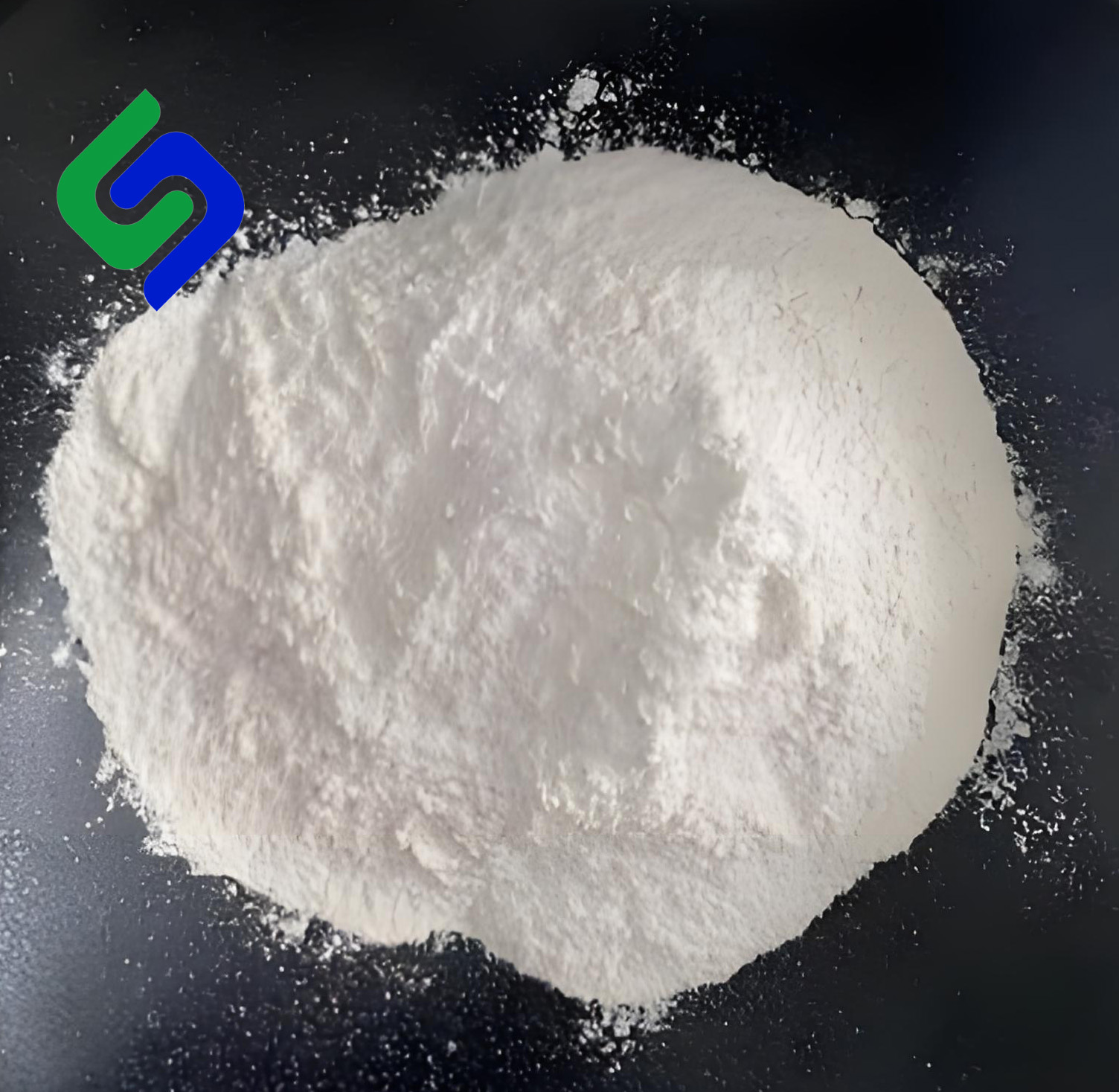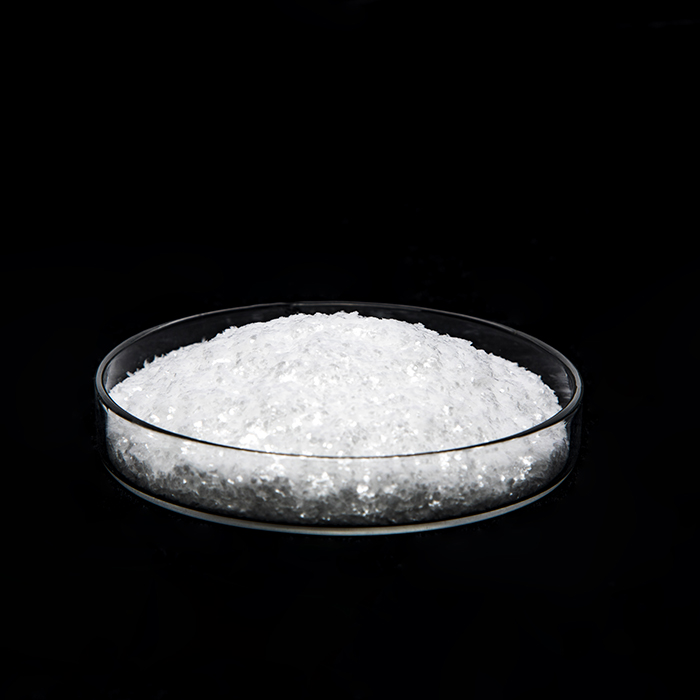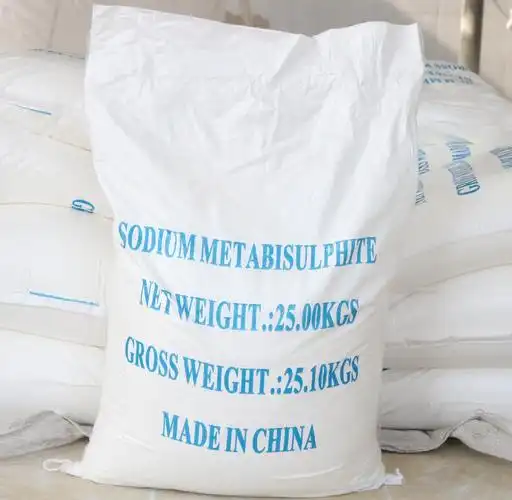

In the modern construction chemical industry, polycarboxylate superplasticizers have become the mainstream high-efficiency water-reducing agents for high-performance concrete, relying on their excellent dispersion performance, low dosage, and outstanding slump retention capacity. The performance upgrade and structural optimization of such superplasticizers are largely dependent on high-quality functional monomers, among which Sodium Methallyl Sulfonate (SMAS) serves as one of the most essential modified monomers. Known by its systematic chemical name 2-Methyl-2-propene-1-sulfonic acid sodium salt and the commonly used industrial name Methallyl sulfonate sodium, this special anionic monomer provides irreplaceable structural modification effects in the copolymerization synthesis of polycarboxylate superplasticizers, greatly improving the comprehensive application performance of concrete water reducers.
The unique application value of Sodium Methallyl Sulfonate in polycarboxylate superplasticizers stems from its superior molecular structure characteristics. The molecular formula of2-Methyl-2-propene-1-sulfonic acid sodium salt contains a reactive carbon-carbon double bond and a strongly hydrophilic sulfonic acid group. The double bond enables Methallyl sulfonate sodium to stably participate in free radical copolymerization with acrylic acid, methacrylic acid, and polyether macromonomers, which are the main raw materials of polycarboxylate superplasticizers. During the polymerization reaction, Sodium Methallyl Sulfonate (SMAS) is uniformly grafted onto the polymer main chain of the superplasticizer, introducing a large number of high-activity sulfonic acid anionic groups to the polymer molecular structure.
Compared with traditional carboxylate groups, the sulfonic acid groups brought by 2-Methyl-2-propene-1-sulfonic acid sodium salt possess stronger ionization ability and higher electrostatic charge density. This feature significantly enhances the electrostatic repulsion between cement particles, effectively breaking the flocculation structure of cement particles in concrete mixtures and releasing wrapped free water. As a result, superplasticizers modified with Methallyl sulfonate sodium achieve a higher water reduction rate at a lower dosage, which effectively reduces the water-cement ratio of concrete, improves the compactness of hardened concrete, and further enhances the compressive strength, impermeability and durability of concrete engineering.
Slump retention performance is another core advantage brought by Sodium Methallyl Sulfonate (SMAS) to polycarboxylate superplasticizers. In actual construction scenarios, concrete often faces problems such as rapid fluidity loss and poor workability over time, which seriously affects construction efficiency and engineering quality. The moderate polymerization activity and stable molecular structure of 2-Methyl-2-propene-1-sulfonic acid sodium saltcan optimize the molecular weight distribution and molecular chain flexibility of polycarboxylate polymers. It avoids excessive molecular cross-linking and rapid failure of active groups, enabling the superplasticizer to maintain stable dispersion performance for a long time. This excellent slump retention effect is particularly suitable for long-distance concrete transportation and large-scale continuous pouring projects.
In addition, Methallyl sulfonate sodium can significantly improve the cement adaptability of polycarboxylate superplasticizers. Different types of cement contain varying amounts of impurity ions and mineral components, which often lead to unstable performance of ordinary superplasticizers. The sulfonic acid functional groups of Sodium Methallyl Sulfonate have excellent salt resistance and ion tolerance, which can resist the interference of calcium, magnesium and other impurity ions in cement and admixtures. Therefore, superplasticizers modified with high-purity Sodium Methallyl Sulfonate (SMAS) can maintain stable water-reducing and dispersing effects in various complex cement systems, greatly expanding the application scope of polycarboxylate products.
In industrial production, the purity and stability of 2-Methyl-2-propene-1-sulfonic acid sodium salt directly determine the quality consistency of finished superplasticizers. High-purity industrial-gradeMethallyl sulfonate sodium with low impurity content can ensure stable copolymerization reaction efficiency, avoid side reactions during production, and make the batch performance of polycarboxylate superplasticizers more uniform. Manufacturers can flexibly adjust the addition ratio of Sodium Methallyl Sulfonate according to product positioning, so as to develop differentiated products such as high-water-reduction types, high-slump-retention types and early-strength superplasticizers, meeting the diverse needs of modern concrete engineering.
To conclude, Sodium Methallyl Sulfonate (SMAS), also known as 2-Methyl-2-propene-1-sulfonic acid sodium saltor Methallyl sulfonate sodium, is a core functional modifier for high-performance polycarboxylate superplasticizers. It optimizes polymer molecular structure, enhances water reduction efficiency, improves concrete slump retention, and upgrades cement adaptability, becoming an indispensable key raw material in the construction chemical industry. With the rapid development of high-performance concrete technology, high-purity Sodium Methallyl Sulfonate will continue to play a vital role in the iteration and upgrading of polycarboxylate superplasticizer products.