Sodium methallyl sulfonate (SMAS, CAS 1561-92-8) is a critical anionic monomer widely adopted for synthesizing polycarboxylate superplasticizers and water treatment polymers. The storage environment of sodium methallyl sulfonate directly affects its monomer quality. Many chemical manufacturers worry that storing sodium methallyl sulfonate in a high-temperature warehouse will reduce SMAS monomer polymerization activity, which brings unstable copolymerization results and unqualified finished polymer products.
1. Mechanism of high-temperature storage impact on sodium methallyl sulfonate
When sodium methallyl sulfonate (SMAS, CAS 1561-92-8) stays in a high-temperature warehouse for a long time, heat accelerates side reactions inside SMAS powder. Although sodium methallyl sulfonate will not fully self-polymerize under normal high-temperature storage without initiators, high heat promotes slow oxidation and impurity generation. These by-products consume active double bonds of sodium methallyl sulfonate, which is the core functional group that determines polymerization activity.
The higher and longer the warehouse temperature, the more obvious the activity loss of sodium methallyl sulfonate. High temperature also speeds up moisture absorption of SMAS. Once sodium methallyl sulfonate absorbs moisture, partial hydrolysis occurs, further lowering the effective content and polymerization reactivity of SMAS monomer.
2. Practical consequences of declined polymerization activity of sodium methallyl sulfonate
If sodium methallyl sulfonate loses polymerization activity after high-temperature warehouse storage, the conversion rate of SMAS in copolymerization reactions will drop. Operators will observe unstable molecular weight distribution of polycarboxylate mother liquor, poor slump retention performance of final concrete superplasticizer, and inconsistent batch quality.
In severe cases, insufficient reactive sodium methallyl sulfonate leads to incomplete copolymerization. Excess residual monomers remain in finished products, raising raw material costs and triggering unexpected gelation risks during production.
3. Recommended storage temperature range for sodium methallyl sulfonate
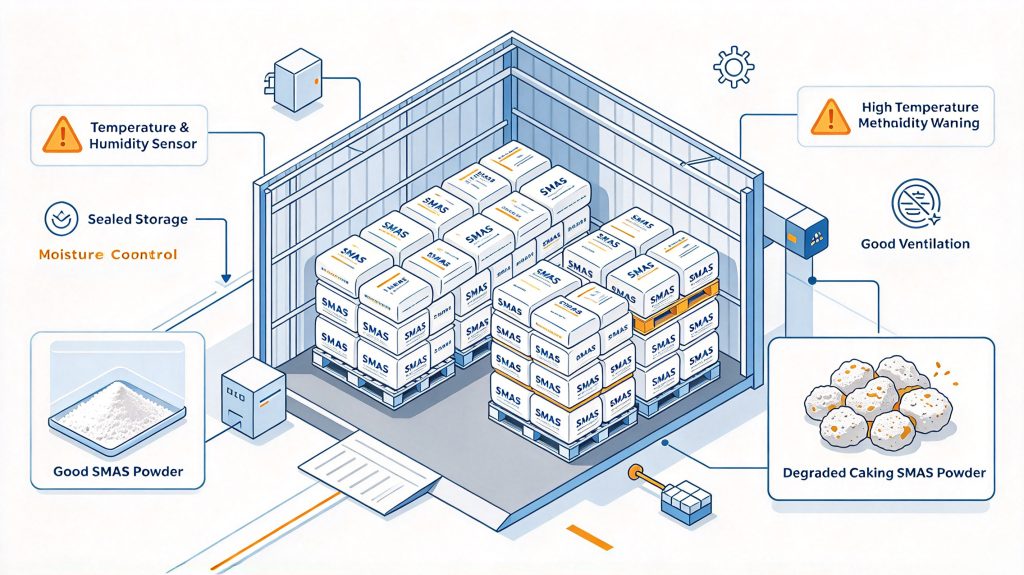
To preserve the polymerization activity of sodium methallyl sulfonate (SMAS, CAS 1561-92-8), warehouse temperature should be controlled below 30°C. Avoid placing SMAS pallets near heating pipes, direct sunlight or warehouse walls exposed to solar radiation.
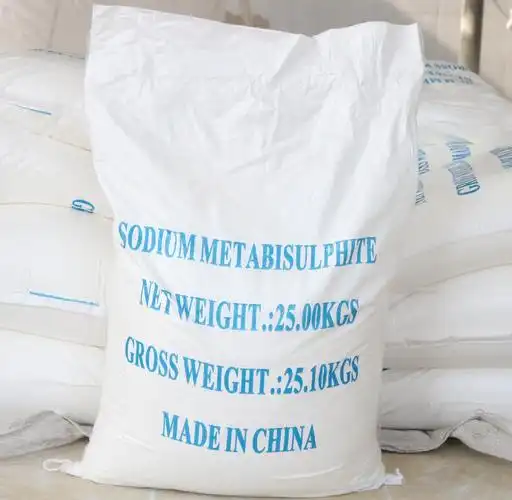
For tropical seasons or hot workshop warehouses, use ventilation or air cooling systems. Keep sodium methallyl sulfonate packaging intact and sealed. Prevent combined damage from high temperature plus humidity, which causes dual degradation of SMAS monomer.
4. Inspection & mitigation strategy for sodium methallyl sulfonate after high-temperature storage
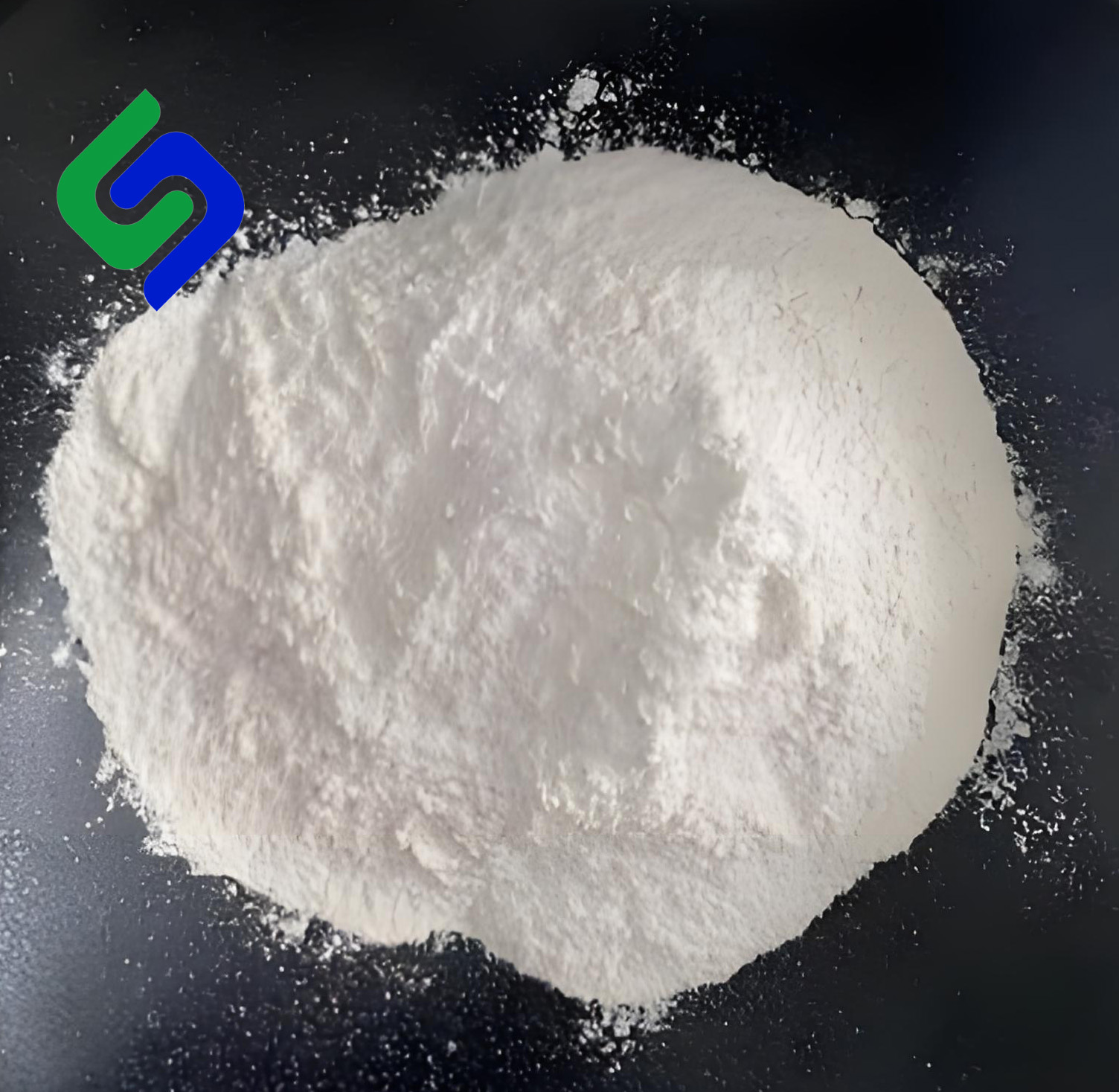
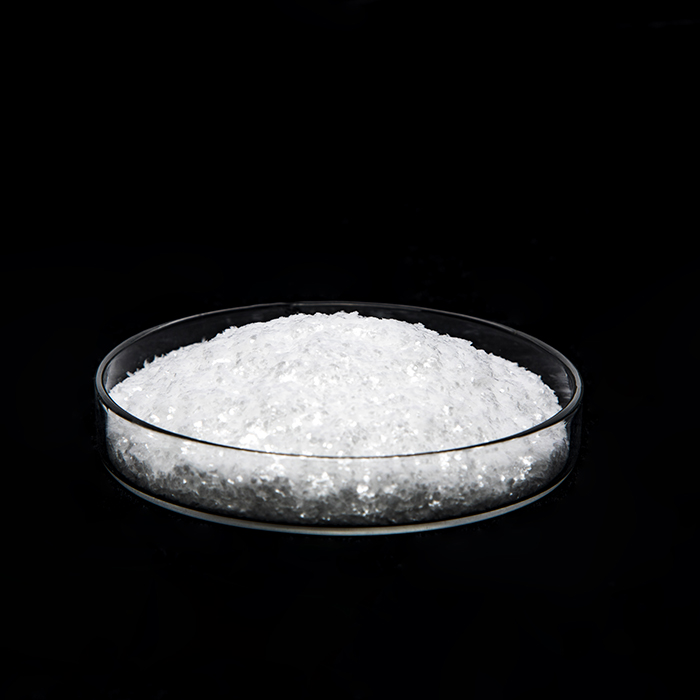
After sodium methallyl sulfonate experiences high-temperature warehouse storage, test the monomer purity and polymerization activity before feeding. Check for yellow discoloration, caking or strange odor of SMAS powder; these visual signs indicate activity degradation.
If sodium methallyl sulfonate shows slight activity reduction, adjust the SMAS feeding dosage or initiator amount in polymerization trials. When the activity loss exceeds the acceptable threshold, the batch of sodium methallyl sulfonate should not be used for high-grade polycarboxylate synthesis.
5. Warehouse management best practices for SMAS
Implement first-in first-out inventory management for sodium methallyl sulfonate. Do not store SMAS for over 6 months under normal temperature, and shorten shelf life if warehouse temperature keeps high. Separate sodium methallyl sulfonate from oxidizing chemicals in the warehouse to avoid accelerated degradation.