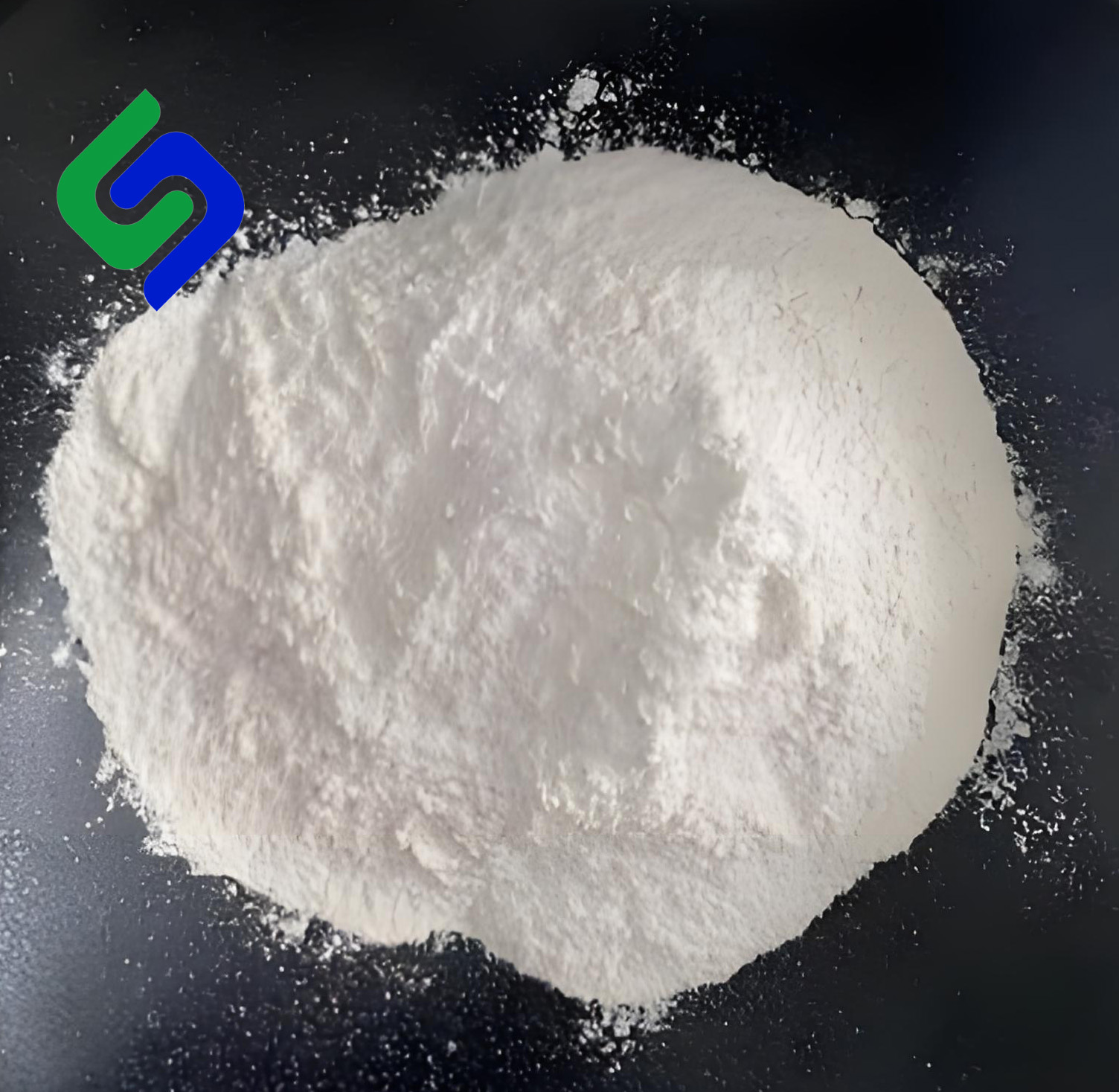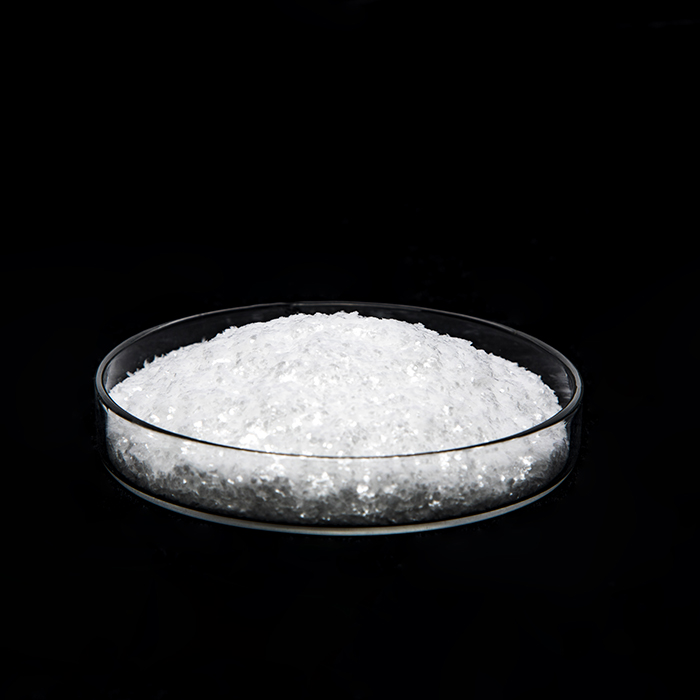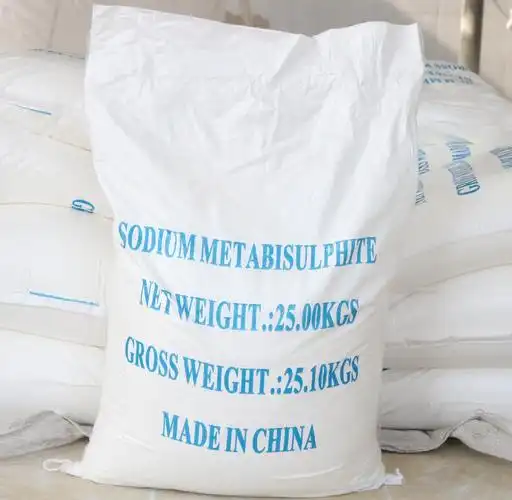

Sodium methallyl sulfonate (SMAS, CAS 1561-92-8) is a fine powdered monomer widely used in polycarboxylate superplasticizer polymerization. The powdery property of sodium methallyl sulfonate makes it easy to generate fine dust during workshop feeding operations. Improper dust control for SMAS will trigger operator health risks, raw material loss, cross-contamination and even explosion hazards. Therefore, targeted dust prevention design and operation specifications are essential for the feeding system matched with sodium methallyl sulfonate.
1. Dust Source Control of Sodium Methallyl Sulfonate at Feeding Point
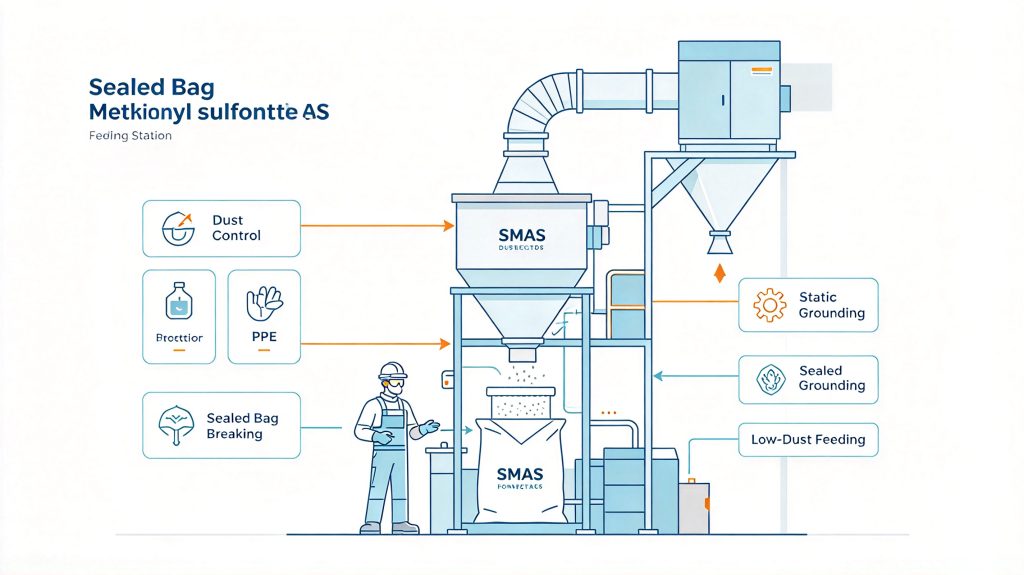
The main dust emission source is the dumping and blanking position of SMAS bags. When opening packaging bags of sodium methallyl sulfonate, avoid tearing the packaging rapidly, which can lift massive SMAS dust. It is recommended to use enclosed bag-breaking stations for sodium methallyl sulfonate feeding. The sealed chamber limits the spread of fine powder from SMAS, CAS 1561-92-8, and reduces dust overflow to the whole workshop. Do not pour sodium methallyl sulfonate from high drop height. Shorten the blanking distance between bag outlet and receiving hopper. High free fall will aerate SMAS powder and produce floating dust instantly.
2. Ventilation and Dust Collection Configuration for SMAS Feeding System
The feeding system for sodium methallyl sulfonate must be equipped with local exhaust dust collectors near the feeding hopper. The air volume of dust collector needs to be calibrated to capture SMAS fine powder without sucking solid bulk sodium methallyl sulfonate into the filter. Regularly inspect filter bags of dust collection equipment. Blocked filters will reduce suction capacity and cause SMAS dust accumulation. Avoid positive pressure air blowing at the feeding port; positive airflow will blow sodium methallyl sulfonate dust outward into the workshop working zone.
3. Workshop Environment & Anti-secondary Dust Measures
Sodium methallyl sulfonate dust is easy to deposit on equipment surface, floor and pipeline brackets. Schedule routine wet cleaning instead of dry sweeping. Dry sweeping will stir deposited SMAS dust and create secondary dust pollution in the workshop. Keep the workshop humidity in a reasonable range. Too low relative humidity increases electrostatic generation of sodium methallyl sulfonate powder, making SMAS dust suspend longer in air. Excessively high humidity may cause sodium methallyl sulfonate caking, which affects feeding stability.
4. Personal Protection & Operation Specification for SMAS Feeding
Workers handling sodium methallyl sulfonate during feeding should wear dust respirators, safety goggles and anti-dust work gloves. Inhalation of SMAS dust may irritate respiratory tract and mucous membranes. Operators shall avoid violent shaking of sodium methallyl sulfonate packaging before feeding. Shaking breaks SMAS aggregates and releases fine dust. For automatic feeding systems, check the airtightness of screw conveyors frequently; tiny gaps will continuously leak sodium methallyl sulfonate dust.
5. Safety Inspection & Maintenance of Feeding System
Regular leak detection on all connection flanges, observation windows and flexible joints of the SMAS feeding system. Small leakage points will continuously release sodium methallyl sulfonate dust over long-term production. Set up regular monitoring for dust concentration around the sodium methallyl sulfonate feeding station. If dust concentration exceeds threshold, pause feeding work to troubleshoot sealing and dust collection faults. Prevent static accumulation on feeding equipment for sodium methallyl sulfonate; ground all metal parts of the feeding system to eliminate static spark risk caused by SMAS dust cloud.
6. Waste & Residue Handling
Collect spilled sodium methallyl sulfonate powder promptly. Do not leave scattered SMAS powder on the floor. Recover usable sodium methallyl sulfonate residues in sealed containers. Discarded SMAS dust waste should follow hazardous solid waste handling rules to prevent repeated dust diffusion.