
1. Core Index Comparison
| Item | 99.5% SMAS Anhydrous Powder | 35% SMAS Aqueous Liquid |
|---|---|---|
| Active content | ≥99.5% pure monomer | 35±0.5% SMAS + deionized water |
| Impurity level | Ultra-low chloride, sulfite & dimer | Slightly higher dissolved inorganic impurities |
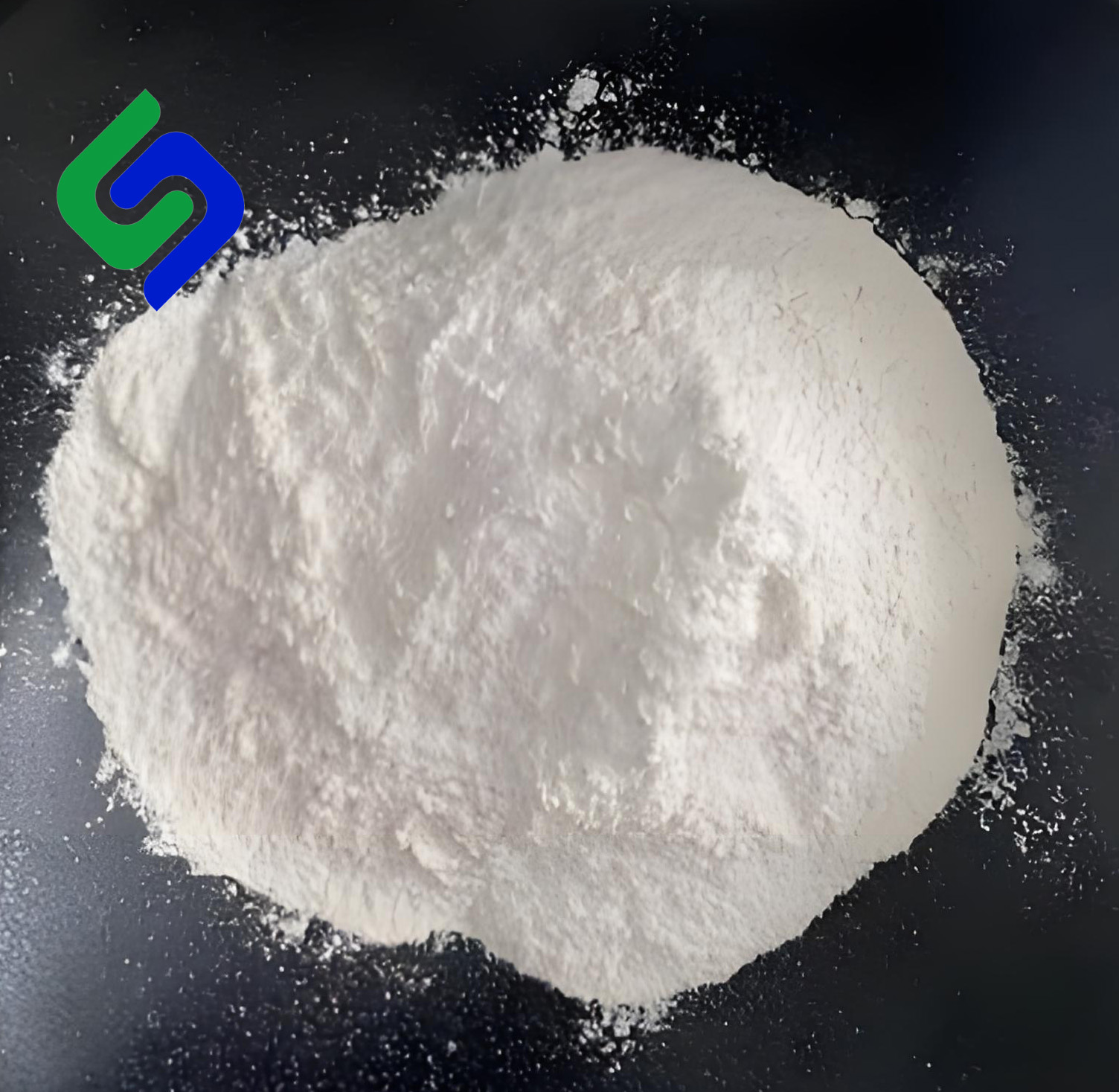
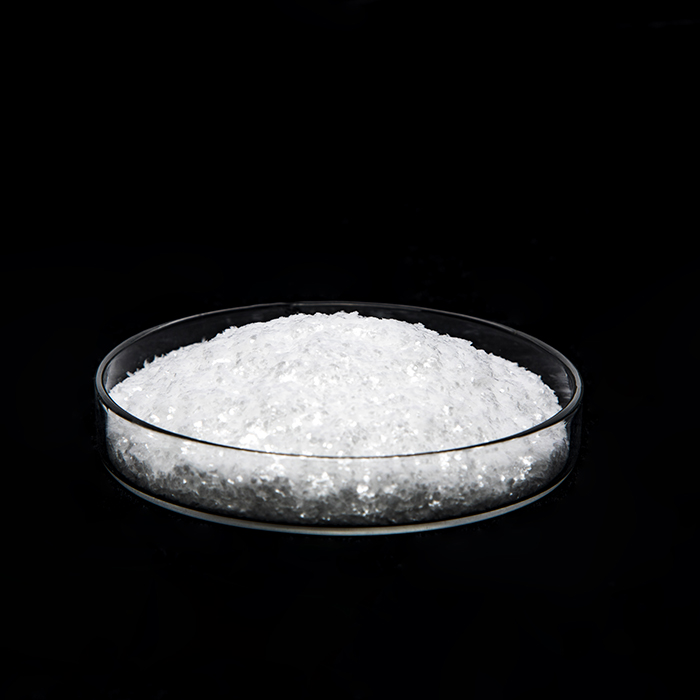
| Appearance | White flaky crystal, no dust agglomeration | Pale yellow transparent free-flow liquid |
| Storage stability | No gelation risk, 24-month shelf life | Easy to crystallize below 0℃, shelf life 18 months |
| Logistics weight | Light weight, low freight cost | High water weight, higher transport expense |
| Operation mode | Need dissolving tank & stirring | Direct dosing, no dissolution process |
| Dust hazard | Minor dust risk during feeding | Zero dust, cleaner workshop environment |
2. Advantages & Suitable Scenarios of 99.5% Powder
Pros
- Ultra-high purity with trace impurities, ideal for high-end polycarboxylate superplasticizer to guarantee water reduction & slump retention
- Flexible self-preparation: configure any target concentration (5%–40%) as production needs
- Low transportation cost for long-distance export and large-batch procurement
- No extra water introduced into polymerization system, less wastewater generation
- Stable storage without freezing crystallization trouble
Choose Powder If:
- You produce polycarboxylate concrete superplasticizer in large scale
- Long-distance ocean export or bulk stock storage
- Strict control over wastewater volume and reaction water ratio
- High requirement on polymer molecular weight stability and low impurity tolerance
- Annual consumption over 50 tons, equipped with automatic dissolving equipment
3. Advantages & Suitable Scenarios of 35% Liquid
Pros
- Ready-to-use without dissolving steps, save labor and dissolving equipment investment
- Dust-free operation, low respiratory irritation risk for workers
- Uniform concentration, stable feeding dosage without uneven dissolution
- Small factories with simple dosing pipelines can use directly
Choose Liquid If:
- Small & medium factories for emulsion polymerization, textile auxiliaries, circulating water dispersants
- Short-distance local delivery to cut liquid freight disadvantage
- No supporting dissolving tank, pursuit simple production operation
- Low requirement on ultra-low chloride impurities, stable workshop temperature above 5℃ all year round
4. Key Selection Principles
- Downstream demand priority: Superplasticizer high-end formula → powder; general emulsion/textile additive → liquid
- Transport distance: Cross-province/overseas bulk purchase → powder; nearby local supply → liquid
- Factory equipment: Have dissolving system, pursue low cost → powder; no dissolution equipment → liquid
- Storage environment: Warehouse easy to freeze in winter → powder; constant temperature workshop → liquid
- Environmental target: Reduce wastewater discharge → powder; small batch low labor cost → liquid
Choosing the correct grade of Sodium Methallyl Sulfonate (SMAS)—between the solid powder and the liquid solution—is a practical decision that depends entirely on your specific industrial application and production process.
Here is a comparison to guide your selection.
Powder vs. 35% Liquid: A Head-to-Head Comparison
How to Make the Right Choice
- Choose Powder if your application requires precise control over the polymerization reaction or if you are synthesizing high-performance polymers and copolymers. The high purity ensures consistent reactivity and final product quality.
- Choose the 35% Liquid if your facility is set up for liquid handling and your process benefits from the convenience of a pre-dissolved monomer. This is often the case in large-scale water treatment or other applications where the active ingredient is added to an aqueous system.
Your choice essentially comes down to a trade-off between the high purity and precise controloffered by the powder and the convenience and ease of handling offered by the liquid solution. The correct decision should align with your process requirements, storage capabilities, and quality control standards.