
Introduction
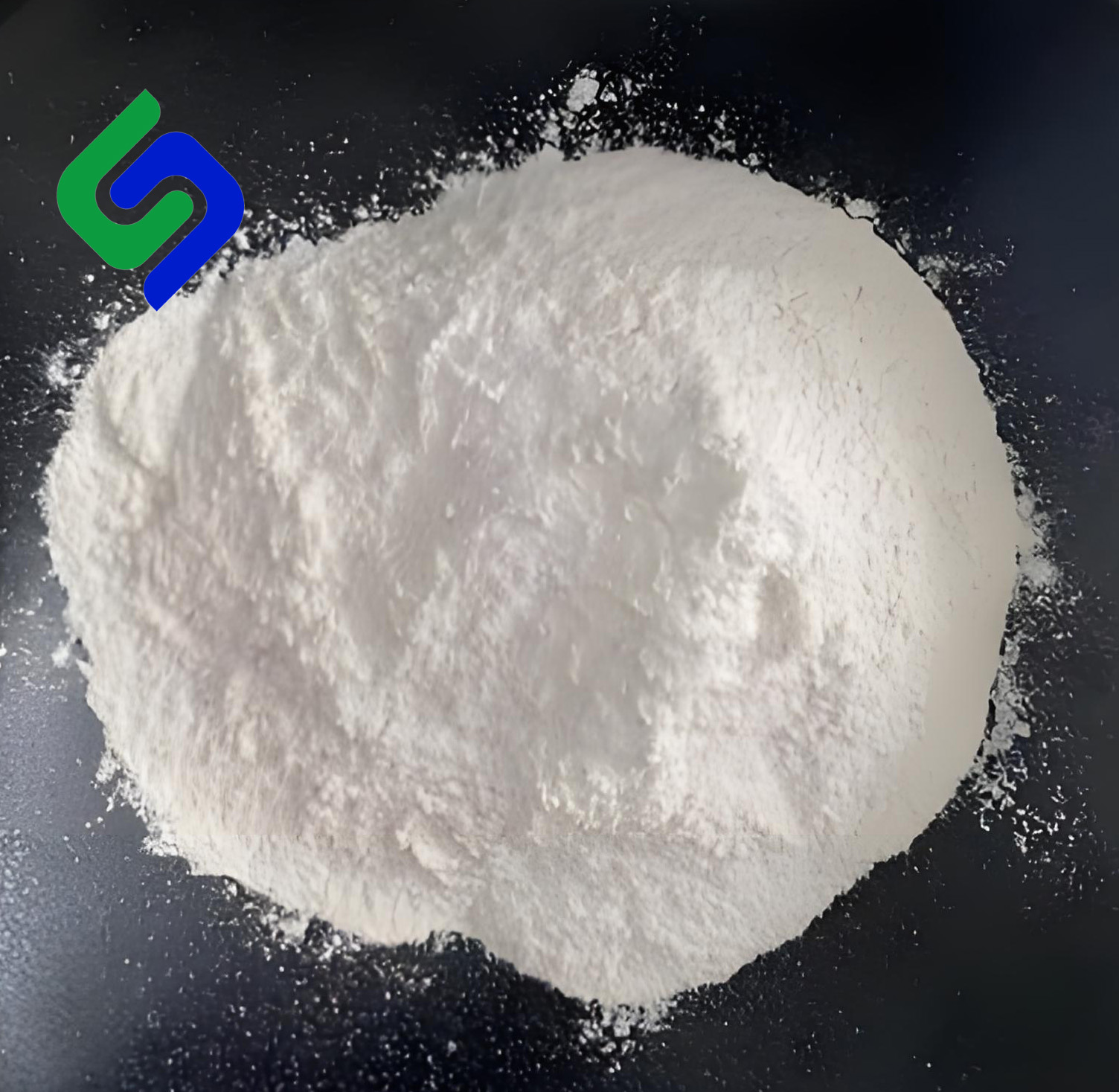
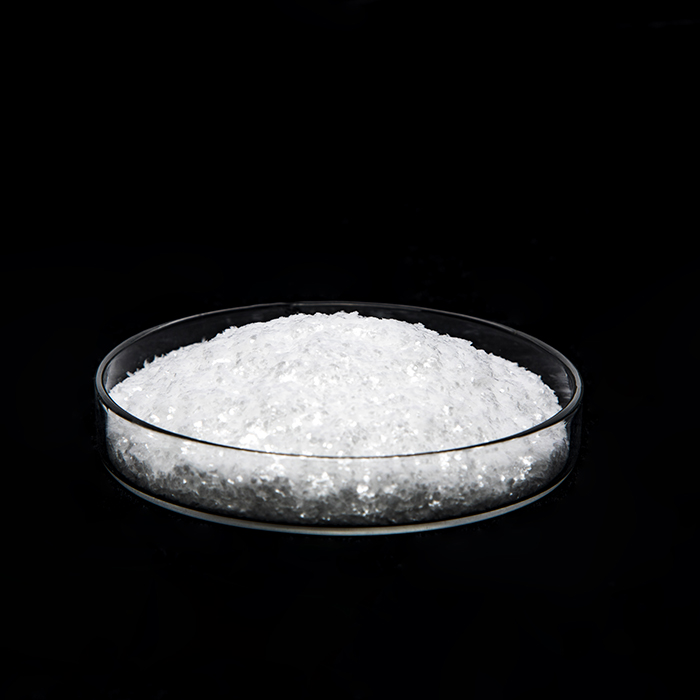
Sodium Methallyl Sulfonate (SMAS) stands as a classic sulfonate functional monomer widely adopted in the concrete admixture industry. As a critical co-monomer for manufacturing polycarboxylate ether superplasticizers (PCE), SMAS effectively optimizes polymer molecular structure and brings prominent improvements to fresh and hardened concrete performance.
Concrete producers constantly face common challenges: rapid slump loss during transportation, poor adaptability to manufactured sand with high clay content, insufficient dispersion of cement particles and unstable workability. Reasonable incorporation of SMAS during PCE synthesis solves these industry pain points efficiently.
Core Functional Mechanism of SMAS Monomer
SMAS carries reactive carbon-carbon double bonds and negatively charged sulfonate groups. In free-radical aqueous copolymerization with TPEG, acrylic acid and other monomers, SMAS grafts sulfonic acid groups onto the PCE polymer backbone.
- Reinforce adsorption capacity on cement surfaces, strengthen dispersion effect
- Reduce adverse impacts caused by calcium ions in early cement hydration
- Restrain excessive adsorption of PCE by clay in aggregates, improving raw material compatibility
- Adjust molecular weight distribution of polycarboxylate superplasticizer to balance initial water-reducing rate and slump retention
Concrete Performance Benefits Brought by SMAS-Modified PCE
✅ Superior workability
Boost initial concrete fluidity and significantly slow slump loss, ideal for long-distance transported ready-mix concrete.
✅ Strong clay tolerance
Greatly adapt to manufactured sand, river sand and raw materials with residual clay, cut construction material restrictions.
✅ Improved structural compactness
Uniform cement paste dispersion minimizes bleeding and segregation, refining internal pore structure of concrete.
✅ Promoted mechanical strength & durability
Fully stimulated cement hydration helps achieve higher compressive strength and better impermeability of hardened concrete.
Recommended Application & Dosage
SMAS cannot be directly added into concrete; it is used for synthesizing polycarboxylate superplasticizers.
Suggested dosage: 5%–15% of total monomer mass.
- Low dosage range: Prioritize high water-reducing ratio
- High dosage range: Focus on long-term slump retention and anti-clay performance
Applicable scenarios: Ready-mixed pumping concrete, precast PC components, self-leveling mortar, ultra-high-performance concrete (UHPC).
Technical Notes
- High active content of SMAS guarantees high copolymerization conversion rate; impurities will inhibit polymerization reaction.
- Excessive SMAS dosage may increase air entrainment of final PCE products. Match defoamer if low-air concrete is required.
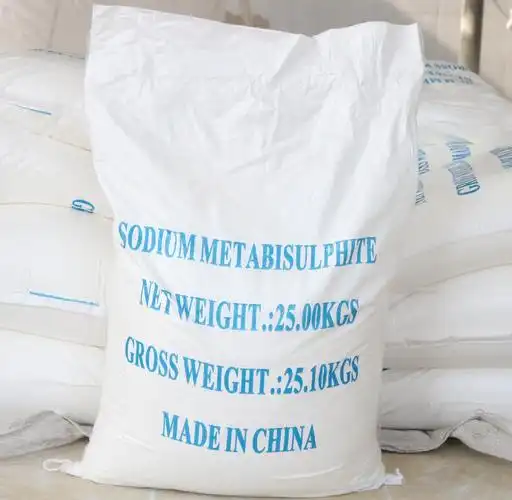
- Storage: Keep sealed, avoid moisture and prolonged exposure under direct sunlight.
Conclusion
For polycarboxylate superplasticizer manufacturers seeking stable raw materials to upgrade product performance, SMAS monomer is a cost-effective functional option. With balanced polymerization activity and obvious advantages in slump retention and anti-clay property, SMAS remains an indispensable raw material for high-performance concrete admixture production.