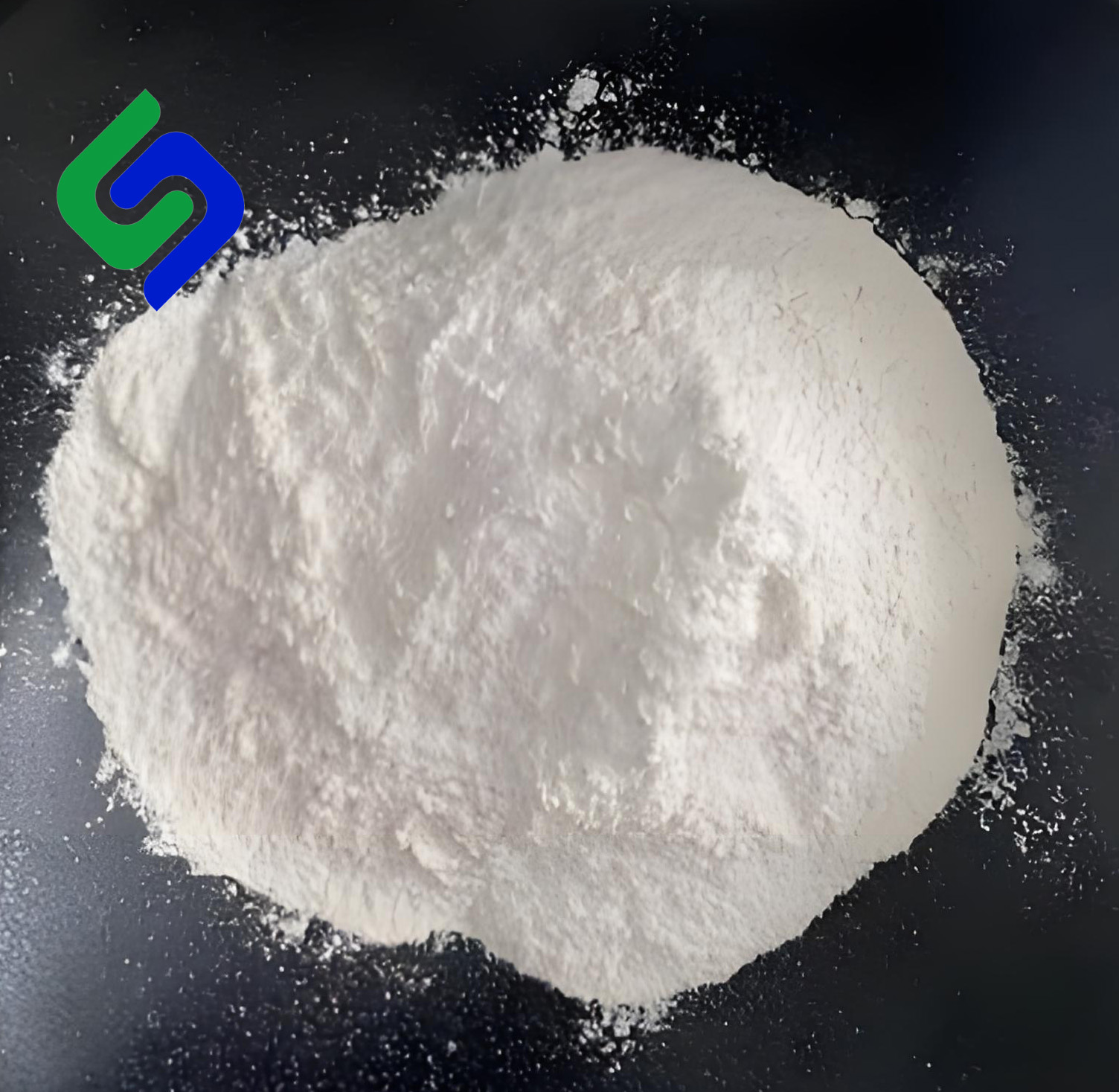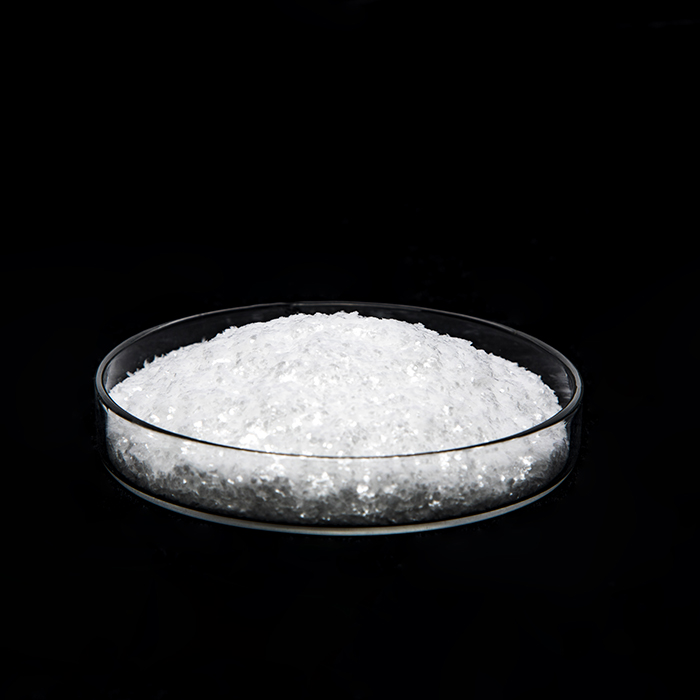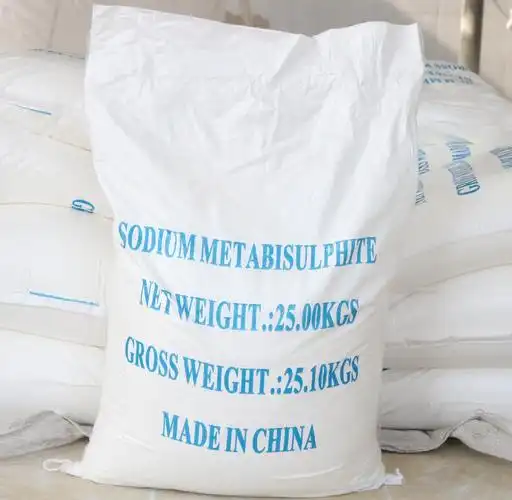

Sodium allyl sulfonate, abbreviated as SAS with chemical registry CAS 2495-39-8, is a critical anionic sulfonated comonomer copolymerized with acrylamide to synthesize salt-resistant, high-temperature stable fluid-loss control additives for water-based drilling mud. During aqueous free-radical copolymerization of sodium allyl sulfonate (CAS 2495-39-8) and acrylamide, local over-concentration, out-of-control reaction temperature, improper initiator feeding, impure SAS raw materials and disordered monomer addition will trigger violent self-homopolymerization of sodium allyl sulfonate and excessive cross-linking, forming insoluble gel agglomerates. These gel lumps block on-site mud vibrating screens, destroy rheological balance of finished drilling additives, and drastically weaken anti-salt and filtration reduction performance. This article summarizes standardized full-process technical rules to thoroughly suppress gel agglomeration in SAS (CAS 2495-39-8) & acrylamide copolymerization for drilling fluid additives, with evenly distributed core keywords sodium allyl sulfonate, SAS and CAS 2495-39-8 across all sections.
1. Strict Raw Material Pre-Inspection & Pretreatment of Sodium Allyl Sulfonate (CAS 2495-39-8)
Impure SAS is the primary root cause of early-stage gel generation during compounding with acrylamide.
- Mandatory quality test for every batch of sodium allyl sulfonate (CAS 2495-39-8): limit inorganic salt impurities (sodium sulfite, sodium sulfate) ≤0.3%, moisture ≤0.5%, no yellow oxidized discoloration. Excess soluble salts and hydrolyzed fragments inside low-quality SAS accelerate abnormal free-radical cross-linking between sodium allyl sulfonate and acrylamide to form gel flocsMade-in-Ch….
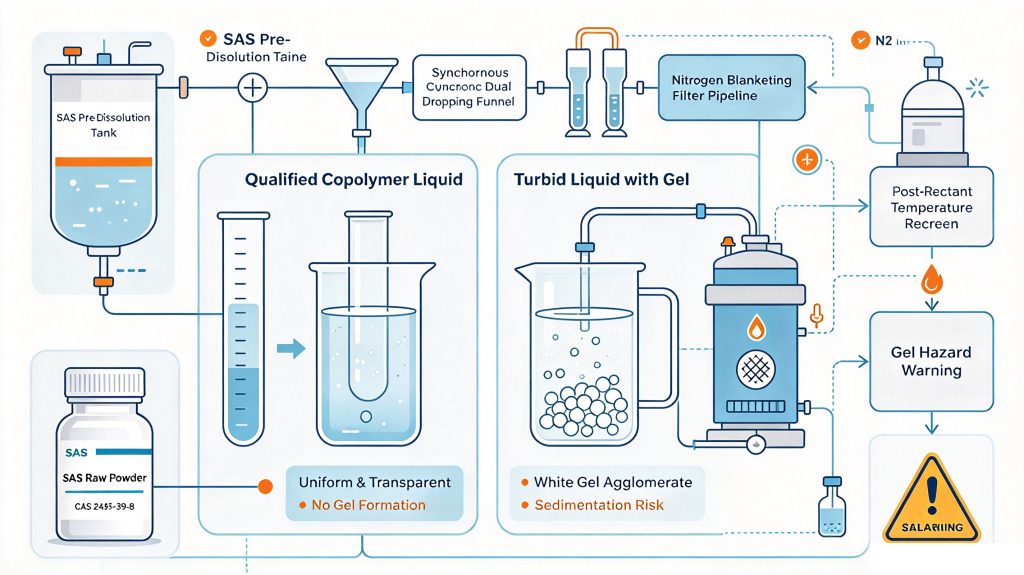
- Independent pre-dissolution of SAS (CAS 2495-39-8): dissolve solid sodium allyl sulfonate separately in room-temperature deionized water to prepare uniform low-concentration SAS aqueous solution; filter through 100-mesh screen to remove undissolved SAS agglomerates before co-feeding with acrylamide. Never mix solid SAS powder directly with solid acrylamide in dry state, which creates local high-concentration hotspots inducing instant microgel.
- Reject deliquesced, clumpy sodium allyl sulfonate (CAS 2495-39-8): hygroscopic lumpy SAS cannot disperse evenly in reaction solvent, leading to uneven monomer distribution and localized over-polymerization gel sediment at reactor bottom.
2. Standard Synchronous Dropwise Feeding Sequence of Sodium Allyl Sulfonate (SAS, CAS 2495-39-8) and Acrylamide
One-time bulk feeding of either monomer is strictly forbidden, as concentrated sodium allyl sulfonate easily undergoes independent homopolymerization to form gel agglomerates without sufficient acrylamide copolymerization partners.
- Fill deionized water into the jacketed reactor as base solvent first, stabilize stirring speed at medium constant gear, purge nitrogen for 15 minutes to eliminate dissolved oxygen that causes radical imbalance and gelation.
- Prepare two independent dropping funnels for diluted SAS solution (CAS 2495-39-8) and diluted acrylamide aqueous solution separately, start synchronous co-dropwise feeding at matched flow rates according to pre-calculated molar ratio of sodium allyl sulfonate to acrylamide (typical 0.07:1 ~ 0.18:1 for high-salinity drilling additives).
- Control total dropwise duration within 2.5–4 hours; avoid sudden acceleration or pause during feeding SAS (CAS 2495-39-8) and acrylamide. Fast feeding accumulates excess sodium allyl sulfonate locally, triggering massive insoluble gel agglomerates.
- Feeding rule: Initiator solution starts dripping 5–10 minutes earlier than SAS & acrylamide monomers, and stops dripping 10–15 minutes later after monomer feeding completes, to maintain stable low radical concentration and avoid radical explosion cross-linking gelation.
3. Precise Constant Temperature Control to Suppress Sodium Allyl Sulfonate Homopolymerization Gel
Sodium allyl sulfonate (CAS 2495-39-8) features high homopolymerization activity at excessive temperature, which generates gel agglomerates independent of acrylamide copolymer chains.
- Set safe polymerization temperature window at 60–72℃ for SAS & acrylamide drilling additive copolymerization; install dual temperature probes to limit temperature fluctuation within ±1℃ throughout the whole feeding cycle.
- Prohibit reaction temperature exceeding 75℃: high temperature sharply raises radical generation speed, sodium allyl sulfonate self-polymerizes rapidly to form dense white gel masses attached to reactor wall, which cannot disperse in finished drilling fluid and block field circulation pipelines.
- Avoid low-temperature long-time holding below 55℃: insufficient radical activity leads to incomplete copolymerization of sodium allyl sulfonate, residual free SAS accumulates and slowly forms secondary microgel during post-heat preservation stage.
- Equip circulating cooling water system to eliminate local hot spots at reactor stirring shaft and heating jacket, preventing partial overheating gelation of SAS (CAS 2495-39-8).
4. Optimized Initiator & Auxiliary Additive Dosage Matching to Reduce Cross-Linking Gel
Excessive initiator or lack of mild chain regulator will cause ultra-fast chain growth and inter-molecular cross-linking between sodium allyl sulfonate (CAS 2495-39-8) and acrylamide.
- Adopt low-dosage redox initiator system (ammonium persulfate-sodium bisulfite) instead of single thermal initiator; total initiator mass fraction controlled at 0.4%–0.7% of total monomer weight. Overdosed initiator produces mass instantaneous free radicals, inducing three-dimensional cross-linked gel agglomerates of SAS-acrylamide copolymer.
- Add trace water-soluble mild chain transfer agent (isopropanol or mercaptopropionic acid) to regulate molecular weight distribution of copolymerized sodium allyl sulfonate and acrylamide, suppressing ultra-high molecular weight cross-linked gel generation without damaging anti-salt performance of drilling additives.
- Strictly eliminate external cross-linking impurities: ensure deionized water for dissolving SAS (CAS 2495-39-8) and acrylamide contains no divalent metal ions (Ca²⁺, Mg²⁺); metal cations act as bridge agents to aggregate polymer chains and form visible gel flocs.
5. Agitation & Reaction System Environment Optimization to Eliminate Local Monomer Accumulation
Static dead zones inside reactors lead to SAS enrichment and gel agglomeration of sodium allyl sulfonate (CAS 2495-39-8) and acrylamide.
- Use anchor-type stirring impellers with sufficient mixing power; avoid low-speed weak stirring that creates stagnant monomer accumulation zones at tank bottom and side walls. Uniform stirring guarantees SAS and acrylamide monomers disperse instantly after dripping into reactor liquid phase.
- Continuous nitrogen blanketing throughout polymerization: oxygen consumes free radicals unevenly, causing partial under-reacted SAS to aggregate and form gel particles; inert nitrogen maintains stable radical reaction environment for sodium allyl sulfonate copolymerization.
- Control total monomer solid content of reaction system below 32%; ultra-high solid concentration increases collision probability between sodium allyl sulfonate double bonds, drastically raising gel agglomeration risk even with standard feeding and temperature parameters.
6. Post-Reaction Standard Operation to Prevent Secondary Gel Formation of Residual SAS (CAS 2495-39-8)
Unprocessed residual sodium allyl sulfonate after copolymerization will slowly self-polymerize into gel during finished drilling additive storage.
- Maintain constant temperature holding at 60–68℃ for 1.5–2 hours after finishing SAS and acrylamide dropwise feeding, to fully consume residual unreacted sodium allyl sulfonate monomers and eliminate post-production secondary microgel growth.
- Cool finished mother liquor slowly to room temperature at controlled cooling rate; rapid cold shock causes polymer chain shrinkage and residual SAS aggregation to form suspended gel flocs inside drilling additive liquid.
- Filter final drilling additive product through 80-mesh fine screen before storage, intercepting tiny gel agglomerates generated during SAS (CAS 2495-39-8) & acrylamide copolymerization to avoid on-site mud circulation blockage.
Consequences of Uncontrolled Gel Agglomeration From Improper SAS & Acrylamide Compounding
- Insoluble gel lumps block drilling mud vibrating screens and pump pipelines, interrupting continuous well site circulation operation.
- Gel impurities reduce effective sulfonate group grafting from sodium allyl sulfonate (CAS 2495-39-8), leading to fast rheological attenuation and high API fluid loss under high-salinity formation water.
- Batch viscosity of finished drilling additives fluctuates drastically, failing standardized mud formulation matching for deep high-temperature wells.
- Gel sediment accumulates in storage tanks, shortening shelf life of SAS-acrylamide drilling fluid additives and raising production waste disposal cost.