
Sodium Methallyl Sulfonate (SMAS)
1. Executive Summary
Sodium Methallyl Sulfonate (SMAS, CAS:1561-92-8) is a vital anionic sulfonate co-monomer for manufacturing polycarboxylate ether superplasticizers (PCE). Incorporated into PCE molecular chains via free-radical aqueous copolymerization, SMAS introduces sulfonate anchoring groups to optimize polymer structure. It effectively solves common construction challenges including rapid slump loss, poor adaptability to high-clay manufactured sand and unstable cement dispersion. SMAS-modified polycarboxylate superplasticizers significantly improve concrete workability, mechanical strength and long-term durability, serving as an essential raw material for high-performance concrete admixture production.
2. Basic Chemical Profile of SMAS
- Chemical Name: Sodium 2-methylprop-2-ene-1-sulfonate
- Abbreviation: SMAS
- Molecular Formula: \(\mathbf{C_4H_7NaO_3S}\)
- Molecular Weight: 158.16
- Structural feature: Reactive carbon-carbon double bond + hydrophilic sulfonate group (\(-\mathbf{SO_3^-Na^+}\))
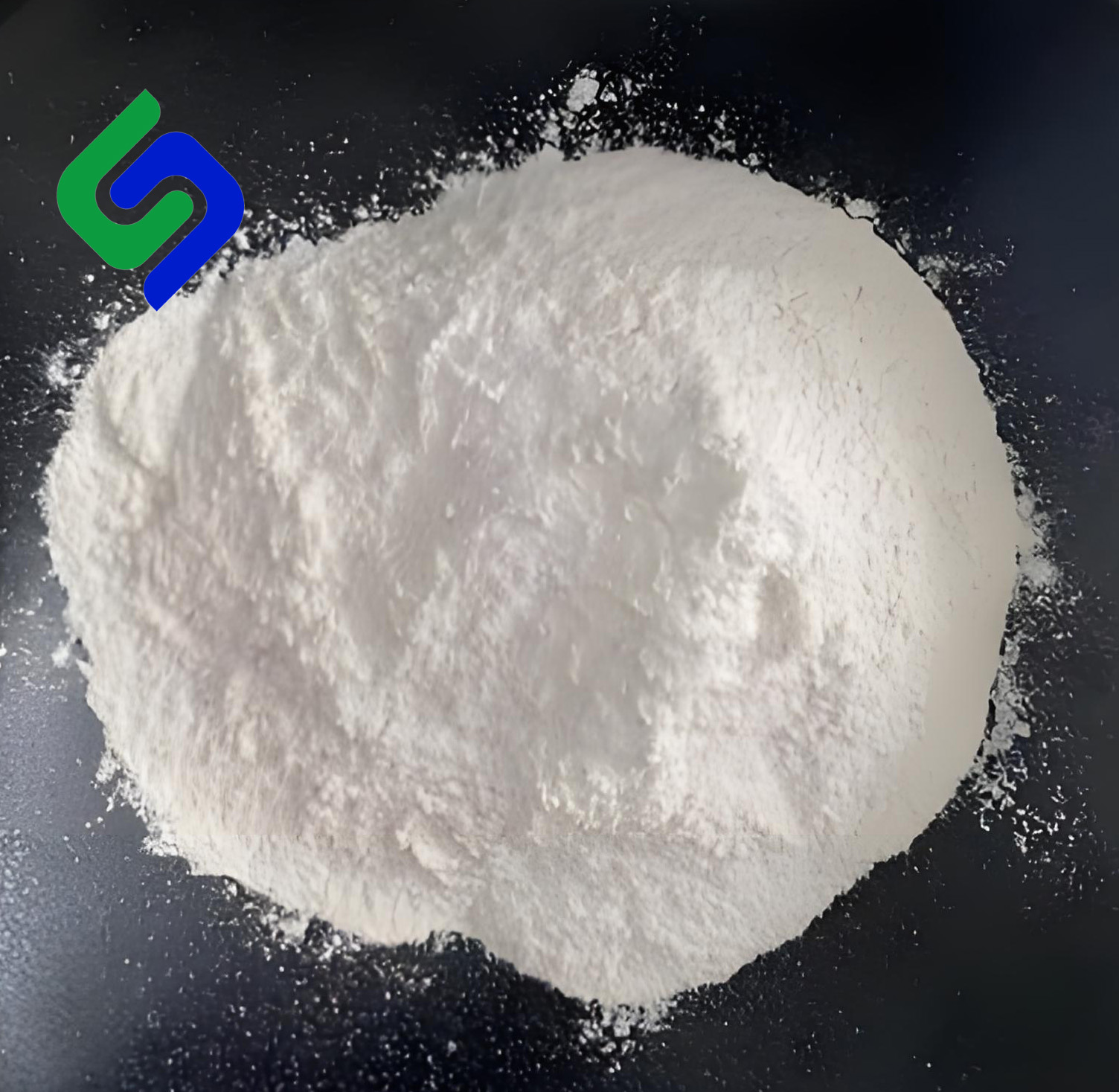
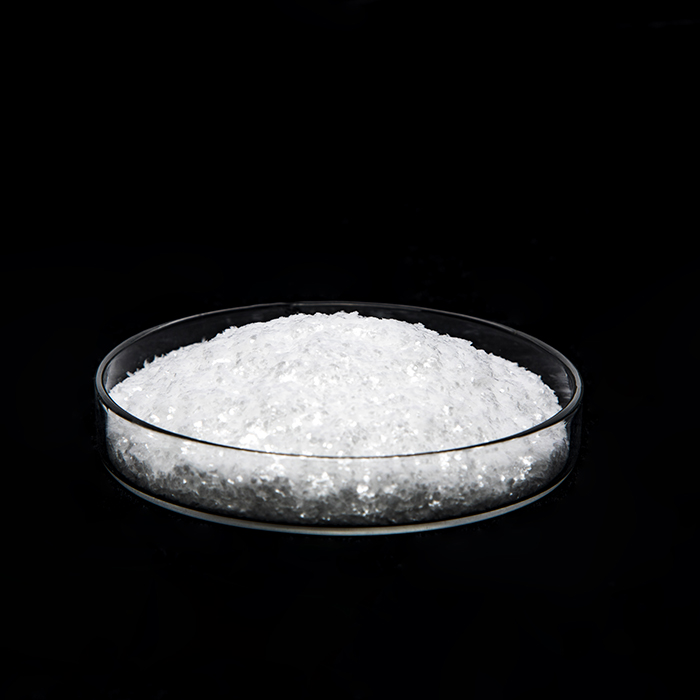
- Physical property: White crystalline powder, easily soluble in water; insoluble in most organic solvents.
3. Working Mechanism in PCE Synthesis
SMAS cannot be directly added into concrete. It copolymerizes with TPEG/HPEG macromonomer, acrylic acid and chain transfer agents to construct functional polycarboxylate molecules.
- Introduce negatively charged sulfonate groups onto PCE backboneSulfonate groups deliver strong adsorption capacity on cement particles and resist disturbance by \(\mathbf{Ca^{2+}}\) generated during early cement hydration.
- Mitigate harmful adsorption by clay mineralsSulfonate functional groups reduce invalid consumption of PCE by montmorillonite and other clays in aggregates, improving tolerance to muddy manufactured sand.
- Adjust molecular weight distribution of copolymersModerate polymerization activity helps control polymer chain length, avoids excessive crosslinking, and balances initial water-reducing capacity and slump retention.
- Boost polymer hydrophilicityEnhance the solubility of finished PCE products and stabilize dispersion performance under variable temperature conditions.
4. Improvements to Concrete Performance
4.1 Fresh Concrete (Workability)
- Increase initial fluidity of concrete mix; reduce viscosity for easy pumping construction
- Remarkably slow slump loss, suitable for long-distance transportation of ready-mixed concrete
- Minimize bleeding, segregation and surface crusting; improve overall homogeneity
4.2 Hardened Concrete (Mechanical & Durability Properties)
- Uniform dispersion of cement grains promotes full hydration, raising compressive strength at all ages under fixed water-binder ratio
- Refine internal pore structure, reduce connected capillary pores
- Enhance concrete impermeability, carbonation resistance and freeze-thaw resistance
5. Recommended Technical Parameters
5.1 Dosage Range
SMAS accounts for 5 wt% ~ 15 wt% of total monomers in PCE polymerization system
- 5%–8%: Priority on high initial water reduction
- 9%–15%: Priority on long-duration slump retention and anti-clay performance
5.2 Polymerization Matching Conditions
- Reaction system: Aqueous free-radical copolymerization
- Common initiator: Ammonium persulfate (APS), \(H_2O_2\)-VC redox initiator
- Warning: Excessive SMAS dosage may increase air entrainment of finished PCE. Add suitable defoamer for low-air concrete requirements.
6. Typical Application Scenarios
- Ready-mixed pumped commercial concrete
- Precast concrete (PC) components
- Self-leveling mortar and high-flow cementitious materials
- UHPC ultra-high performance concrete
- Concrete produced with manufactured sand and high-clay raw aggregates
7. Quality & Storage Guidance
- Select high-purity SMAS product with low impurity content. Excessive organic/inorganic impurities will suppress copolymerization conversion.
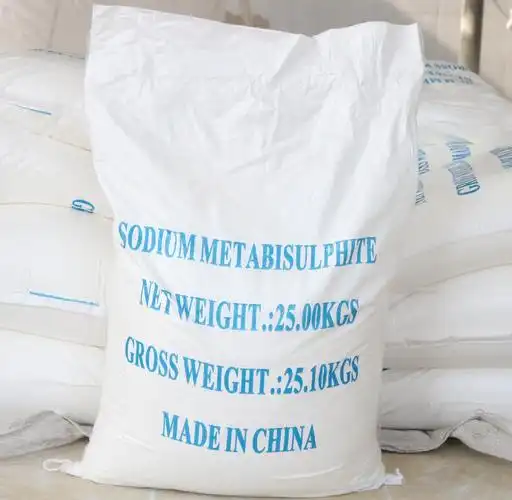
- Storage: Keep package sealed, avoid moisture absorption and prolonged direct sunlight.
- Transportation: Prevent mixing with strong oxidants.
8. Conclusion
As a cost-effective sulfonate functional monomer, SMAS provides a feasible modification route for polycarboxylate superplasticizer manufacturers to upgrade product competitiveness. Compared with unmodified PCE, SMAS-modified admixtures exhibit obvious advantages in raw material adaptability and slump maintaining performance. For enterprises targeting high-performance concrete admixtures, SMAS is a reliable and widely verified co-monomer choice.
Sodium Methallyl Sulfonate (SMAS) is a classic sulfonate co-monomer for polycarboxylate superplasticizer production. During copolymerization, SMAS grafts sulfonate groups onto PCE molecular chains to strengthen cement adsorption and alleviate negative effects from clay aggregates. Reasonable SMAS addition optimizes concrete fluidity, slows slump loss and enhances structural compactness. This guide illustrates chemical characteristics, action mechanism, dosage window, performance advantages and operational precautions for industrial application in concrete admixture industry.