
MSDS Core Safety Information + Storage & Safe Operation Guide
1. Product Basic Info (MSDS Section 1)
- Name: Sodium 2-methylprop-2-ene-1-sulfonate, SMAS
- CAS: 1561-92-8 | EINECS: 216-341-5
- Formula: C4H7NaO3S | MW: 158.15
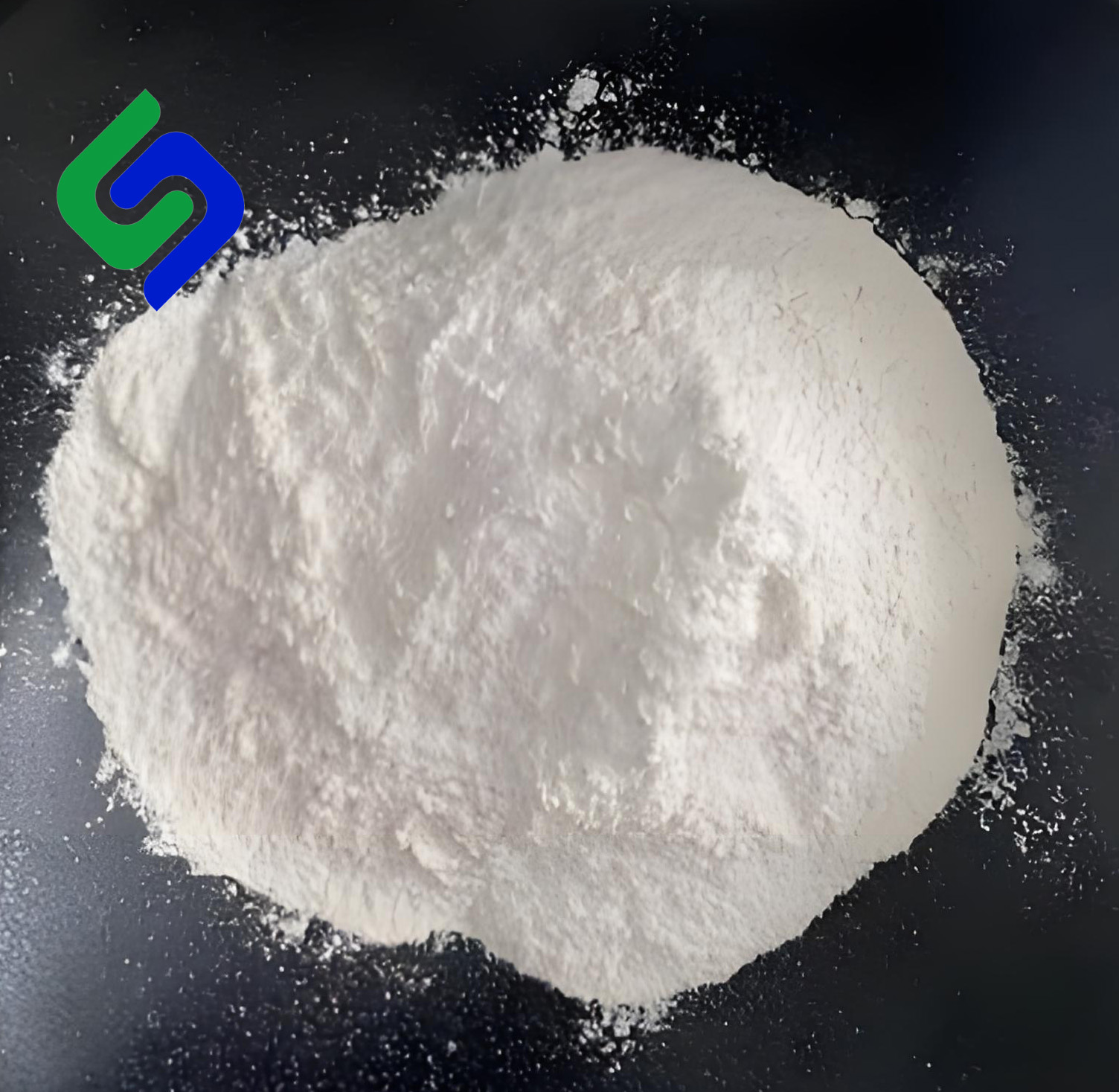
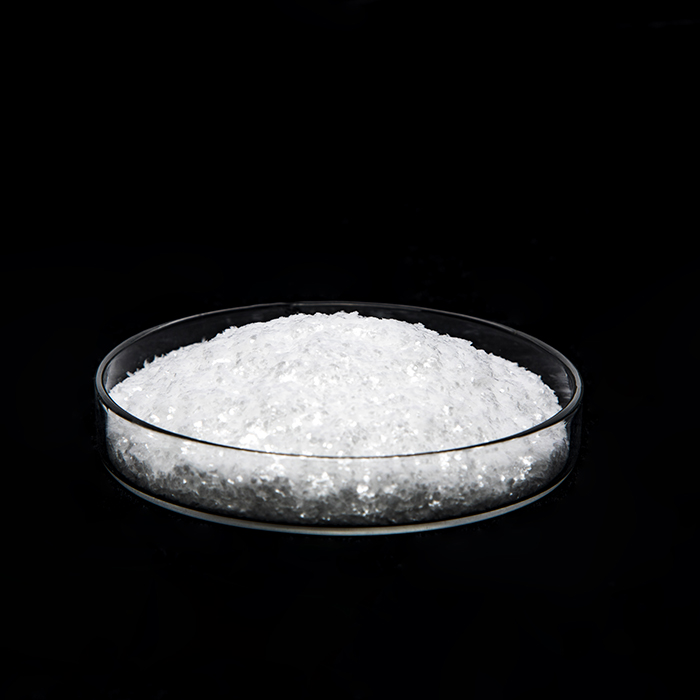
- Two grades: 99.5% anhydrous white crystal powder; 35% pale yellow aqueous liquid
2. GHS Hazard Classification (MSDS Section 2)
Signal Word: Warning
GHS Hazard Statements
- H315: Causes skin irritation
- H319: Causes serious eye irritation
- H335: May cause respiratory irritation from powder dust
- H317: May trigger allergic skin reaction
Precautionary Statements
- Prevent dust generation; wear full PPE during handling
- Avoid inhalation, skin/eye direct contact
- Rinse thoroughly with water after accidental exposure
- Store sealed, separate from oxidants & strong acids
Environmental Risk
WGK Germany Class 1: Slightly harmful to aquatic life; prohibit direct discharge to waterways
3. Composition & Impurity Limits (MSDS Section 3)
- Active SMAS: ≥99.5% (powder); 35±0.5% (liquid)
- Impurities: NaCl ≤0.035%, Na₂SO₃ ≤0.02%, Fe ≤0.4ppm, moisture ≤0.5%
4. First-Aid Measures (MSDS Section 4)
- Inhalation (powder dust)Move victim to fresh air; rest. If coughing/shortness persists, seek medical help.
- Skin ContactRemove contaminated clothing; wash skin with plenty of running water for 10–15 mins.
- Eye Splashing (liquid / dust)Flush eyes continuously with clean water for ≥15 mins, lift eyelids; consult doctor immediately.
- IngestionDo NOT induce vomiting; drink large amounts of clean water and seek medical care.
5. Fire-Fighting Measures (MSDS Section 5)
- Non-flammable solid/liquid; thermal decomposition above 280°C releases toxic sulfur oxides fumes
- Extinguishing media: Water mist, dry powder, CO₂, foam
- Fire protective gear: Self-contained breathing apparatus (SCBA), full chemical-resistant suit
- Avoid direct water jet on molten decomposed material to prevent toxic mist diffusion
6. Leakage Emergency Disposal (MSDS Section 6)
Powder Spill
- Block dust spread with plastic sheet; wear dust mask & goggles
- Sweep material into sealed plastic containers; do not dry brush (raises dust)
- Wash residual with plenty of water, collect wastewater for centralized treatment
Liquid Spill (35% SMAS)
- Dike leakage with sand/absorbent cloth to prevent flow into drains
- Absorb with inert absorbent; transfer to sealed waste barrels
- Flush contaminated ground with diluted alkaline water
7. Safe Operation Instructions (MSDS Section 7)
General Operation Rules
- All staff receive chemical safety training before operation; follow standard SOP strictly
- Operate in workshops with local exhaust ventilation; install dust collection system for powder feeding
- Use anti-spark tools, grounded equipment to eliminate static charge
- Avoid dust floating; add powder slowly into dissolving tank with gentle stirring
- Do not eat, drink or smoke in operation area; wash hands/face thoroughly after work
Mandatory PPE (MSDS Section 8)
- Respiratory: KN95 dust mask (powder operation)
- Eye: Chemical splash-proof safety goggles
- Skin: Nitrile chemical gloves, long-sleeve protective overalls
- Footwear: Anti-slip rubber safety boots
Engineering Control
Install emergency safety shower & eye-wash station near feeding/dissolving zone
8. Standard Storage Specifications (MSDS Section 7)
Storage Environment
- Cool, dry, fully ventilated warehouse; ambient temperature ≤35°C, away from sunlight & heat sources
- Isolate from strong oxidants, concentrated strong acid, food raw materials; separate storage zone with clear partition
- Warehouse equipped with anti-static grounding, explosion-proof lighting, dust exhaust system
Grade-Specific Storage Rules
99.5% SMAS Powder
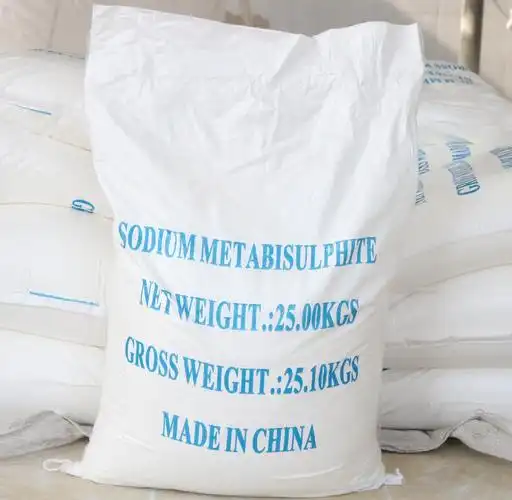
- Pack: 25kg PE-lined woven vacuum bags
- Keep containers fully sealed to stop moisture absorption & caking
- Shelf life: 24 months under intact seal
35% SMAS Aqueous Liquid
- Pack: 25L HDPE drums / 1000L IBC tanks
- Prevent freezing below 0°C (crystallization blocks pipelines)
- Shelf life: 18 months sealed
Storage Labeling
Mark clear labels: Product name, CAS No., hazard warning, batch No., production & expiry date
9. Stability & Incompatibility (MSDS Section 10)
- Stable under normal sealed storage; no self-polymerization at room temp
- Incompatible substances: Strong oxidizers, concentrated sulfuric acid, strong alkali (high temp triggers decomposition)
- Avoid long-term UV irradiation (causes slight discoloration & minor performance drop)
10. Waste Disposal (MSDS Section 13)
- Recycle qualified leftover SMAS for production use if possible
- Waste material: Neutralize with weak alkali, send to certified chemical incinerator with flue gas treatment
- Comply with local industrial chemical waste discharge regulations