1. Basic Composition & Specifications
| Item | 35% Aqueous Liquid ALS | 99% Solid Powder SAS |
|---|---|---|
| Active content | 35±0.5 wt% SAS, balance deionized water | ≥99.0% pure sodium allyl sulfonate, trace inorganic salt |
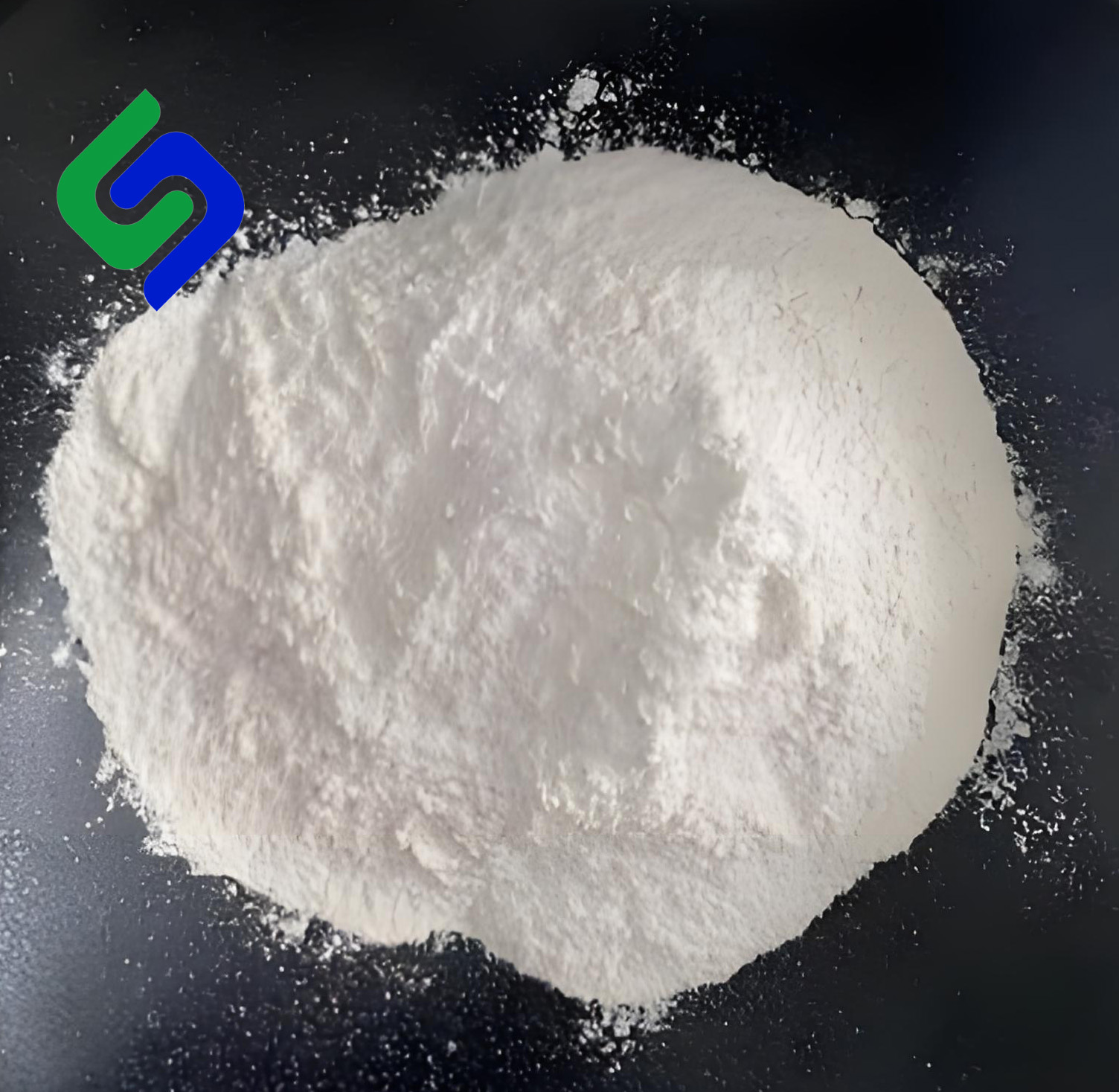
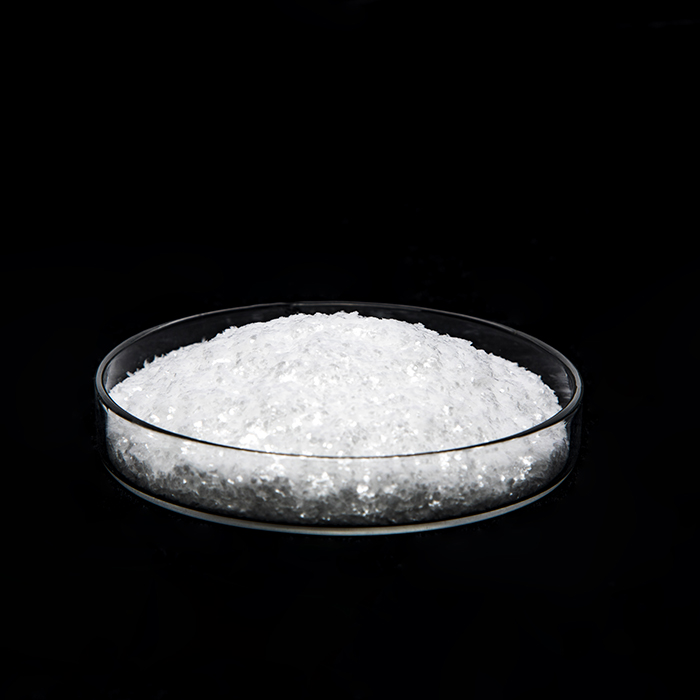
| Appearance | Colorless–light yellow transparent free-flow liquid | White crystalline fine powder/granule, odorless |
| Impurity limit | NaCl ≤1.0%, Na₂SO₃ ≤0.3%, Fe ≤5ppm | NaCl ≤0.8%, sulfite ≤0.08%, heavy metal ultra-low |
| pH (undiluted) | 6.0–8.0 | 1% water solution pH 7.0–9.0 |
| Density (20℃) | 1.20–1.27 g/cm³ | Bulk density ~1.21 g/cm³ solid |
2. Molecular & Stability Difference
- 35% Liquid
- Pre-dissolved water system; ready to use without dissolving operation
- Risk of spontaneous polymerization under long-term high temperature or UV light
- Contains water, easy to dilute, cannot withstand freezing (crystallize below 0℃)
- 99% Powder
- Anhydrous pure monomer, no solvent water
- Excellent thermal stability when sealed dry; no self-polymerization at room temp
- Freeze-proof, no crystallization risk, long-term stable storage
3. Packaging, Transport & Storage
| Parameter | 35% Liquid ALS | 99% Powder SAS |
|---|---|---|
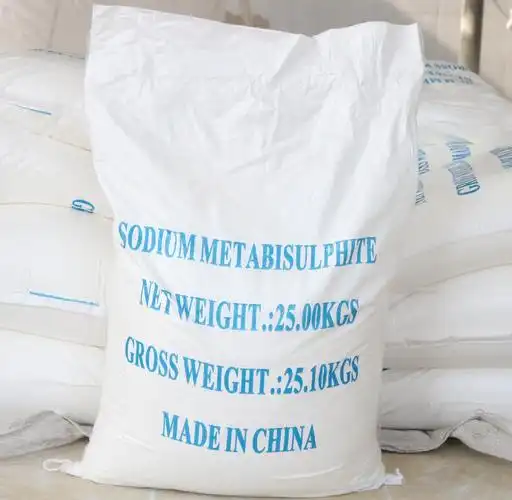
| Standard package | 25kg HDPE plastic drum, IBC ton tank | 25kg lined woven bag / aluminum foil vacuum bag |
| Transport weight | High water weight, high freight cost per active SAS | Light weight, lower logistics cost for long-distance |
| Storage condition | Cool, avoid sun, antifreeze, sealed to prevent volatilization | Dry, ventilated, moisture-proof, isolate oxidants |
| Shelf life | 18 months sealed | 24 months vacuum-sealed |
| Space occupation | Larger storage space for same effective content | Small footprint, high concentration |
4. Operation & Production Cost
35% Liquid Advantages
- Direct dosing for electroplating baths; no stirring/dissolving tank required
- No dust flying, low workshop pollution, safer manual operation
- Uniform concentration, no agglomeration, stable bath composition
- Preferred for electroplating factories with daily continuous dosing
99% Powder Advantages
- Ultra-high purity, fewer impurities for high-end polymer synthesis
- Users can configure arbitrary concentration as needed (5%–40% aqueous solution)
- Low transportation cost, suitable for large-scale polymer plant bulk consumption
- No extra water introduced into polymerization system, less wastewater discharge
- Ideal for acrylic fiber monomer, water treatment copolymer synthesis
Operation Shortcomings
- Liquid: Extra water dilutes bath concentration; increase wastewater output
- Powder: Need dissolving equipment, dust irritation risk, easy agglomerate if added fast
5. Core Application Scenario Split
35% Liquid ALS Main Use
- Acid nickel electroplating brightener (dominant market)
- Copper/zinc plating auxiliary additives
- Small textile printing & dyeing factories with simple dosing equipment
99% High-Purity Powder SAS Main Use
- Copolymer third monomer for acrylic fiber
- High-performance water treatment scale inhibitor polymer
- Fine chemical emulsion polymerization, laboratory synthesis
- Export long-distance shipping to cut logistics expense
6. Safety & Handling Risk
- 35% Liquid: Low dust hazard; skin/eye irritation risk from splashing liquid; freeze crystallization block pipeline
- 99% Powder: Dust inhalation irritates respiratory tract; easy absorb moisture in humid air to lump; no freeze trouble
7. Unit Effective Cost Comparison
- Short-distance local electroplating factories: 35% liquid has lower comprehensive labor cost
- Polymer manufacturers / cross-region bulk purchase: 99% powder saves total freight and storage cost