
1. Basic Information
Product Name: Sodium Allyl Sulfonate (SAS)
CAS No.: 2495-39-8
Molecular Formula: C₃H₅NaO₃S
Molecular Weight: 144.12
Product Overview: Sodium Allyl Sulfonate (SAS) is a vital anionic functional monomer with active unsaturated double bonds and hydrophilic sulfonate groups, featuring high chemical activity and excellent water solubility, widely applied in fine chemical and polymer industrial fields.
2. Chemical Properties
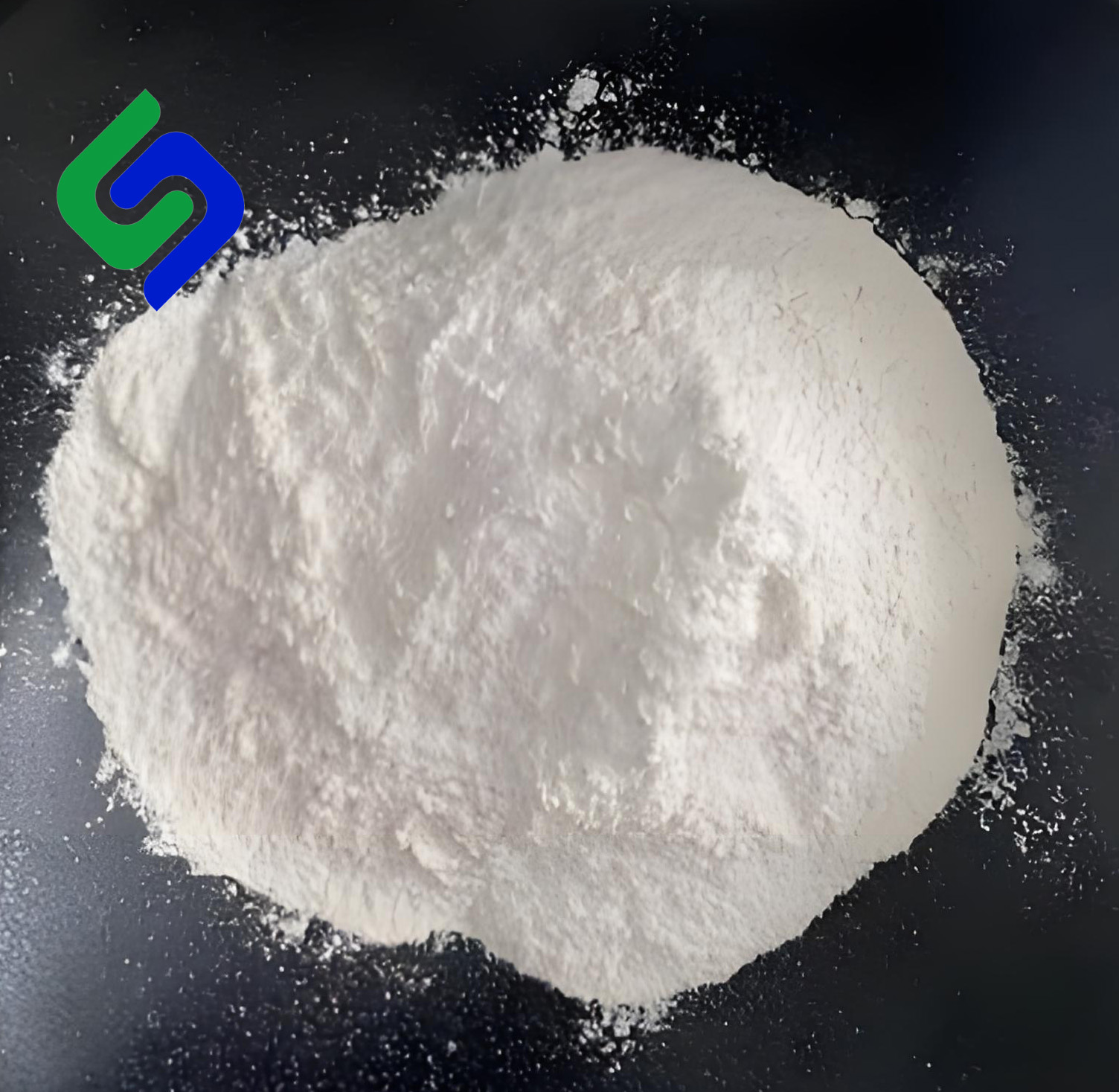
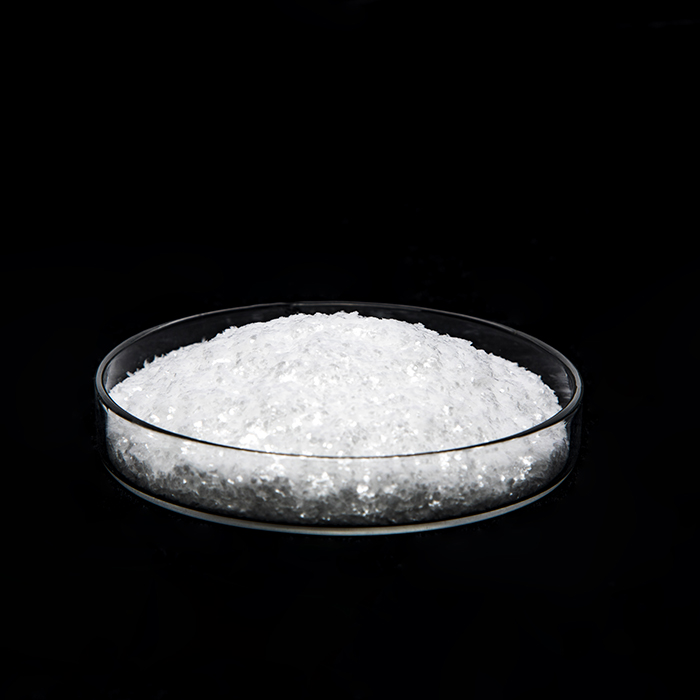
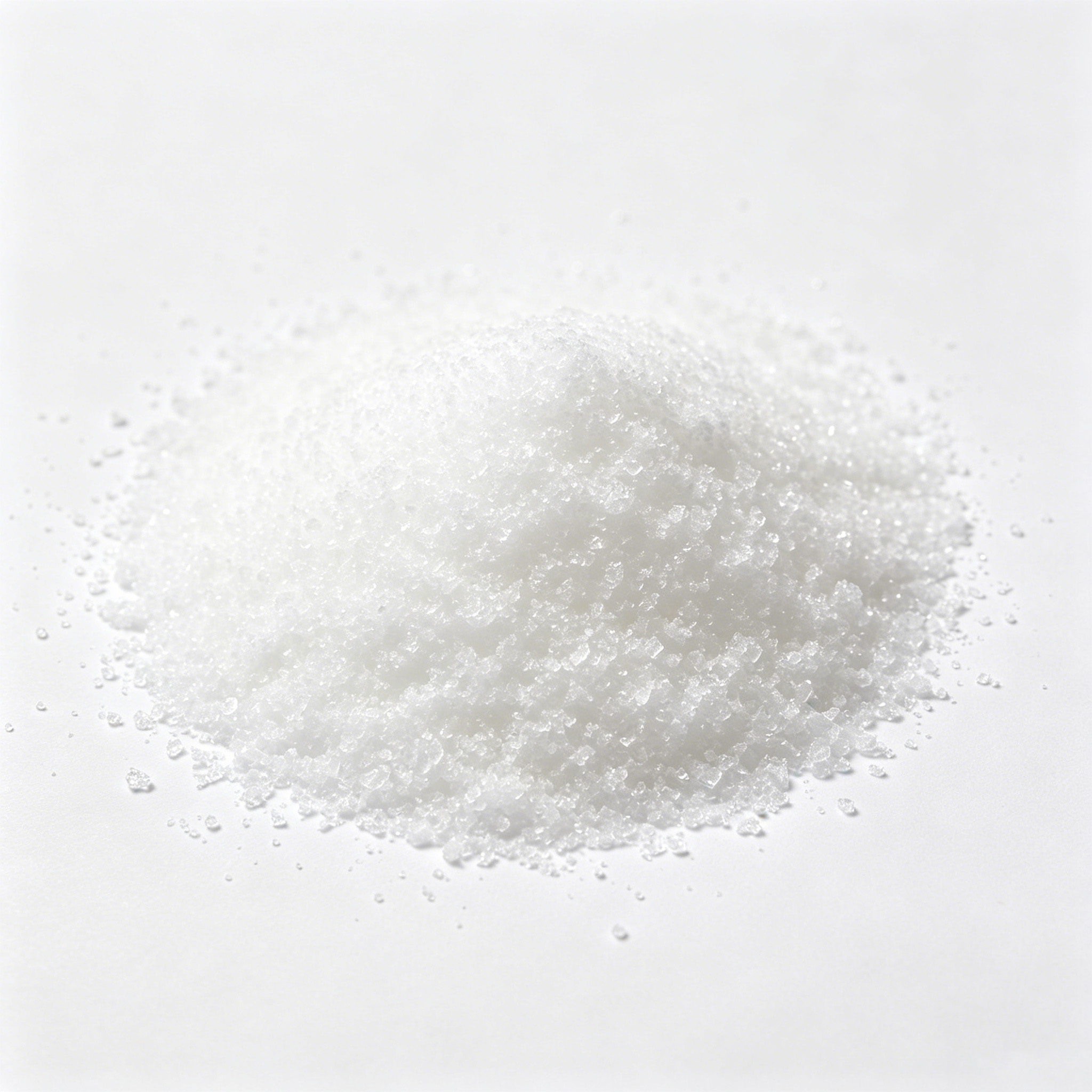
Appearance: Pure SAS appears as white crystalline powder with no peculiar odor, and the industrial-grade product is slightly white or off-white crystalline solid.
Solubility: It possesses excellent solubility in water and ethanol, freely miscible with aqueous solutions; slightly soluble in organic solvents such as benzene and diethyl ether, and insoluble in non-polar oils.
Chemical Stability: The dry finished product exhibits outstanding thermal stability and is not prone to decomposition at room temperature. However, its aqueous solution is unstable for long-term storage and tends to undergo self-polymerization reaction under natural conditions.
Structural Characteristics: The molecular structure contains reactive carbon-carbon double bonds and hydrophilic sulfonate functional groups. The double bond enables copolymerization with various vinyl monomers, while the sulfonate group endows the product with strong polarity, water dispersibility and anti-scaling performance.
3. Main Applications
3.1 Acrylic Fiber Industry
SAS is a classic third monomer for acrylic fiber polymerization. It can effectively improve the internal structure of acrylic fibers, significantly enhance fiber dyeing affinity, heat resistance, elasticity and softness. It solves the problems of uneven dyeing and poor color fastness of traditional acrylic fibers, enabling finished fibers to achieve bright color and high color stability.
3.2 Water Treatment Industry
Copolymerized with acrylamide, acrylic acid and other monomers, SAS can synthesize high-efficiency scale inhibitors, dispersants, flocculants and sludge dewatering agents. The prepared water treatment chemicals have excellent chelating and dispersion effects on calcium and magnesium ions, which can effectively prevent scale deposition in industrial circulating cooling water, heat exchangers and pipeline systems, and improve water treatment efficiency.
3.3 Electroplating Industry
It serves as an important auxiliary brightener and leveling agent in nickel electroplating process. It can refine the crystallization of nickel coating, eliminate coating pinholes, significantly improve the surface smoothness, brightness and uniformity of electroplated layers, and enhance the corrosion resistance of plating products.
3.4 Polymer Synthesis Industry
As a key functional comonomer, SAS is widely used in the modification of synthetic resins, synthetic rubber and polymer additives. It can optimize the hydrophilicity, dispersibility, weather resistance and structural stability of polymer materials, and is commonly used in the production of water-based polymers and high-stability polymer emulsions.
3.5 Other Industrial Fields
It can be used as a fine chemical intermediate for pharmaceutical synthesis, an additive for oilfield drilling fluids to improve fluid stability and anti-collapse performance, and a functional component of cement water reducers to enhance concrete fluidity and strength.
4. Product Advantages
High Chemical Reactivity: The active carbon-carbon double bond in the molecular structure can undergo efficient copolymerization reaction with most vinyl monomers, with high reaction conversion rate and good polymerization compatibility.
Superior Hydrophilic and Dispersion Performance: The unique sulfonate hydrophilic group provides strong water solubility and ionic dispersion ability, which can effectively improve the surface activity and anti-agglomeration performance of modified products.
Wide Industrial Adaptability: It shows stable and excellent modification effects in multiple fields such as textile chemical industry, water treatment, electroplating and polymer materials, with strong industrial applicability.
Stable Physical and Chemical Properties: The dry product has good thermal stability and storage stability, no deterioration or decomposition under normal storage conditions, and stable product quality.
Environmentally Friendly and Low Toxicity: SAS features low biological toxicity, no harmful volatile substances, good biodegradability, and complies with modern industrial environmental protection and emission standards.
5. Storage Requirements
Store the product in a cool, dry, ventilated and clean indoor warehouse, avoiding direct sunlight, high temperature and humid environment.
Keep the packaging tightly sealed during storage to prevent product deliquescence, agglomeration and external contamination.
Isolate and store SAS away from strong oxidants, strong acids, strong alkalis and toxic and hazardous chemicals, and strictly avoid mixed storage with food and feed additives.
The optimal storage temperature is controlled at 10°C to 30°C. The shelf life of the original sealed packaging is 24 months under standard storage conditions.
6. Safety Instructions
GHS Hazard Classification: Skin irritant, eye irritant and respiratory tract irritant (GHS07); Signal Word: Warning.
Hazard Statements: H315 (Causes skin irritation); H319 (Causes serious eye irritation); H335 (May cause respiratory irritation).
Operational Protection: Operators shall wear professional protective gloves, chemical safety goggles and dust-proof breathing masks to avoid inhalation of dust and direct contact with skin and eyes.
First Aid Measures: In case of skin or eye contact, rinse thoroughly with plenty of clean running water for more than 15 minutes; if persistent irritation, redness or discomfort occurs, seek medical treatment in time. In case of accidental inhalation, move to fresh air immediately.
Transportation Safety: This product belongs to non-dangerous goods. During transportation, prevent severe extrusion, collision and rain moisture, and keep the packaging intact and sealed.
7. Conclusion
Sodium Allyl Sulfonate (SAS, CAS: 2495-39-8) is a multifunctional anionic unsaturated monomer with reactive double bonds and hydrophilic sulfonate groups. With high polymerization activity, excellent water solubility, stable performance and environmental friendliness, it has become an indispensable fine chemical raw material in acrylic fiber modification, water treatment, electroplating auxiliary and polymer material optimization fields. Standardized storage, transportation and standardized operation can effectively ensure its stable performance and safe industrial application.