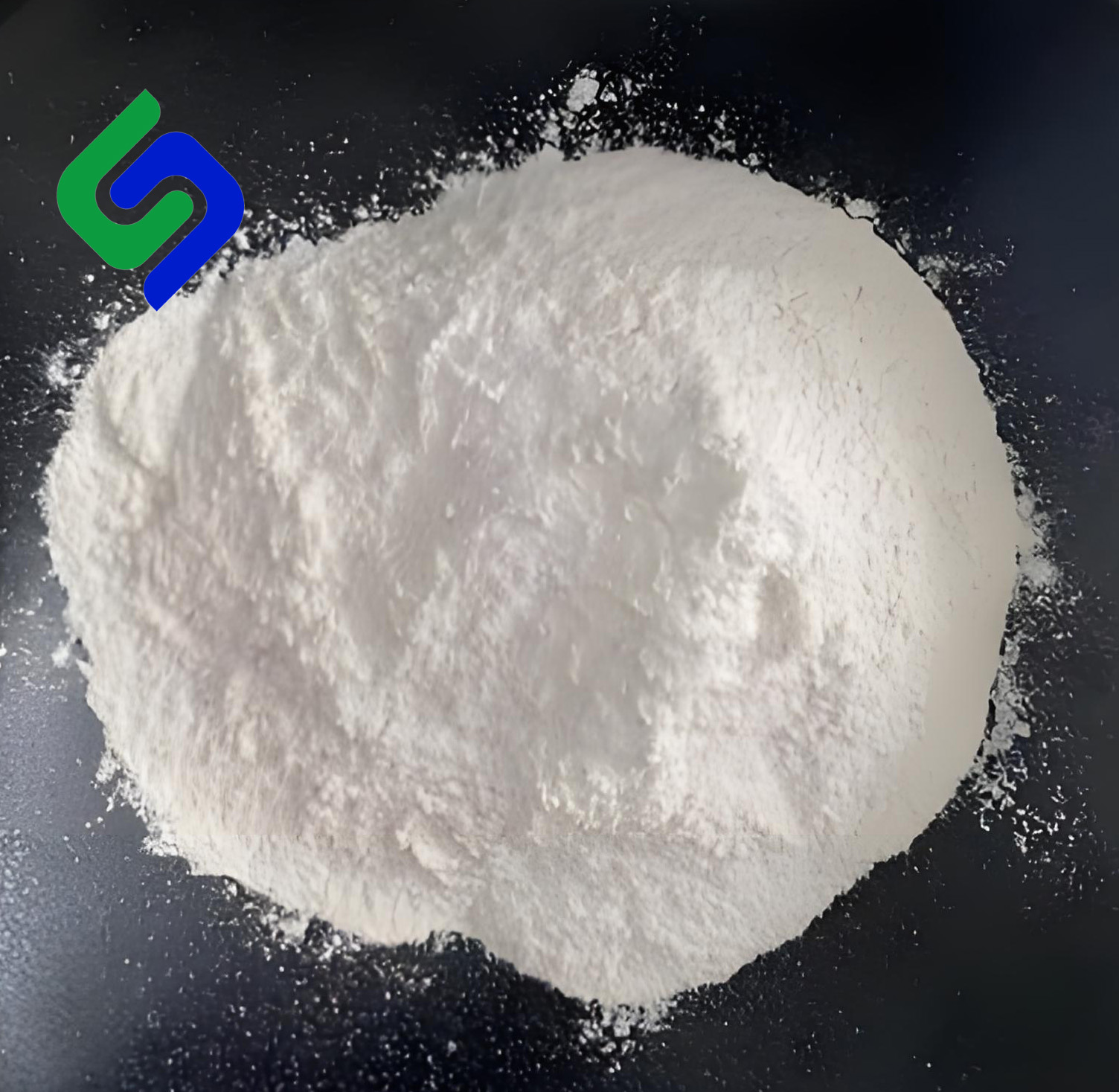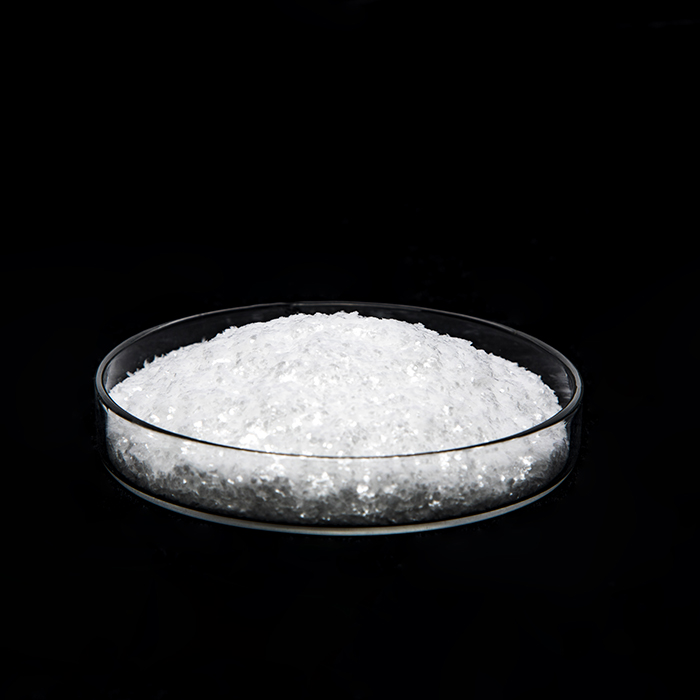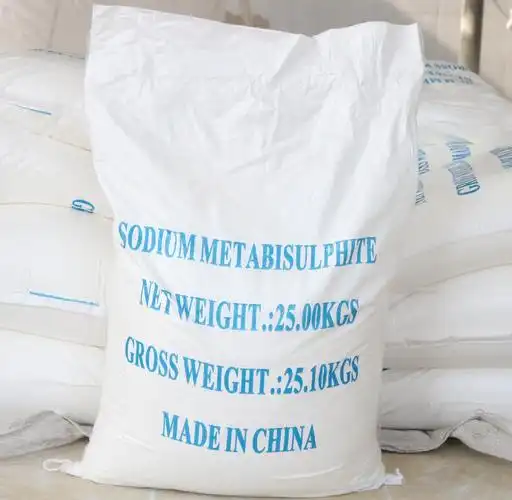

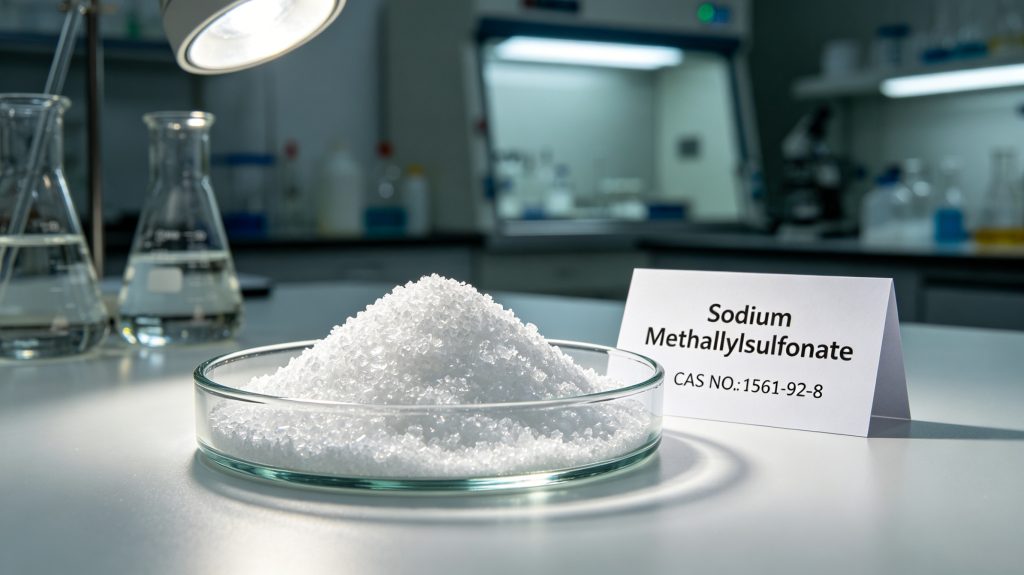
In the chemical industry, every chemical substance has a unique identification code — the CAS number (Chemical Abstracts Service Registry Number). The substance corresponding to CAS NO.:1561-92-8 (sodium methallyl sulfonate, Sodium 2-methylprop-2-ene-1-sulfonate, SMAS) is Sodium Methallylsulfonate (sodium methallyl sulfonate, Sodium 2-methylprop-2-ene-1-sulfonate), also known as SMAS. As an important anionic surfactant and functional monomer, it is widely used in various industrial fields such as textiles, construction, water treatment, and polymer synthesis due to its unique chemical structure and excellent performance. At the same time, it is subject to strict international supervision to ensure the safety and compliance of its production, use, and disposal processes.
I. Basic Information and Physicochemical Properties of CAS NO.:1561-92-8 (sodium methallyl sulfonate, Sodium 2-methylprop-2-ene-1-sulfonate, SMAS)
Sodium Methallylsulfonate corresponding to CAS NO.:1561-92-8 (sodium methallyl sulfonate, Sodium 2-methylprop-2-ene-1-sulfonate, SMAS) is a typical organic sulfonate compound. Its core chemical information is as follows: molecular formula C₄H₇NaO₃S, molecular weight 158.156, EU number (EC/List No.) 216-341-5. In addition, it has various auxiliary identifiers such as MDL number MFCD00065344 and PubChem ID 23663624.
In terms of physicochemical properties, the substance is a white crystalline powder under normal conditions, easily soluble in water, and its aqueous solution is transparent. It has good dispersibility, hard water compatibility, and electrolyte stability, as well as excellent penetration, emulsification, detergency, hard water resistance, and alkali resistance. With rich foam, it is a multi-functional surfactant. Its key physicochemical indicators are strict: the purity of industrial-grade products is usually not less than 99.5%, moisture content ≤ 0.5%, sodium sulfite content ≤ 0.02%, chloride content ≤ 0.035%, iron content ≤ 0.4ppm, and chroma ≤ 10, which ensures its stability and reliability in various applications. In addition, the melting point of the substance is 270℃-280℃, and there is no clear boiling point record. It should be stored in a dry and cool environment, away from fire sources and strong oxidants.
II. Core Application Fields of CAS NO.:1561-92-8 (Sodium 2-methylprop-2-ene-1-sulfonate, SMAS) (Highlighted)
Sodium Methallylsulfonate corresponding to CAS NO.:1561-92-8 (Sodium 2-methylprop-2-ene-1-sulfonate, SMAS) contains active double bonds and sulfonic acid groups in its molecular structure, which gives it both reactivity and surface activity. This unique structural advantage makes it a key raw material in many industrial fields, and its main application scenarios are detailed as follows, with a focus on practical application effects and industry value:
(1) Textile Industry: Core Monomer for Acrylic Fiber Modification

One of the most important applications of this substance is as the third monomer in the production of acrylic fiber (polyacrylonitrile fiber). Acrylic fiber, as a common synthetic fiber, has the advantages of soft hand feel, good warmth retention, and high strength, but pure acrylic fiber has obvious defects such as difficult dyeing and low color fastness, which restricts its application in high-end textile fields. Sodium Methallylsulfonate, as a functional monomer, can effectively improve the dyeing performance and heat resistance of acrylic fiber. When it is copolymerized with acrylonitrile and vinyl acetate (the first and second monomers of acrylic fiber), it can introduce sulfonic acid groups into the acrylic fiber molecular chain, which enhances the affinity between the fiber and dyes (especially cationic dyes), making the acrylic fiber easier to be dyed, with uniform color and not easy to fade. At the same time, it can improve the high-temperature stability of the fiber, reduce the thermal shrinkage rate of acrylic fiber products, and extend their service life. In addition, it can also be used as a reactive emulsifier in the textile industry, used in the synthesis of textile auxiliaries such as leveling agents and dispersing agents, which can improve the dispersibility and compatibility of auxiliaries, ensure the uniform application of auxiliaries on the fiber surface, and further optimize the processing performance and product quality of textiles.
(2) Construction Field: Raw Material for High-Performance Concrete Admixtures

In the construction industry, with the continuous improvement of engineering quality requirements, high-performance concrete has become the mainstream material for large-scale projects such as high-rise buildings, bridges, and tunnels. Sodium Methallylsulfonate is an important raw material for the synthesis of polycarboxylate superplasticizers, which are core components of high-performance concrete. As a chain transfer agent, it participates in the polymerization reaction of polycarboxylate superplasticizers, which can effectively control the molecular weight and molecular weight distribution of the superplasticizer, making the superplasticizer have the characteristics of low dosage and high water reduction rate — generally, the dosage is only 0.1%-0.3% of the cement quality, and the water reduction rate can reach more than 30%. At the same time, it can improve the retarding performance of concrete, avoid problems such as bleeding and segregation during concrete pouring, ensure the workability of concrete, and make the concrete structure more dense after hardening, thereby improving the strength and durability of concrete. In addition, it can also be used as a slump retaining agent in cement admixtures, which can maintain the slump of concrete within a reasonable range for a long time, solve the problem of slump loss during long-distance transportation and pouring of concrete, and meet the strict requirements of large-scale construction projects on concrete quality.
(3) Water Treatment and Environmental Protection Field: High-Efficiency Flocculant and Dispersant
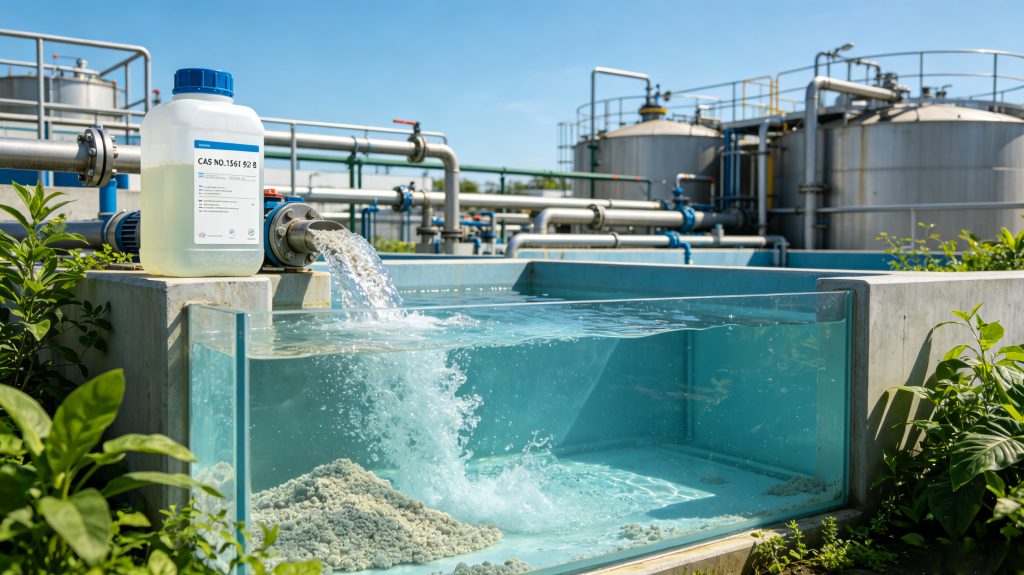
In the context of increasing environmental protection requirements, water treatment has become an important link in industrial production and daily life. Sodium Methallylsulfonate, with its good dispersibility and flocculation performance, has been widely used in the water treatment field. As a flocculant and dispersant, it can effectively adsorb suspended impurities, colloidal particles, and organic pollutants in water, form large flocs through agglomeration, promote the settlement of impurities, and thus improve water quality. In industrial wastewater treatment, especially in the treatment of printing and dyeing wastewater, papermaking wastewater, and chemical wastewater, it can help degrade organic pollutants in water, reduce the COD (Chemical Oxygen Demand) value of wastewater, reduce the pollution of wastewater to the environment, and make the treated wastewater meet the national discharge standards. In addition, its good biocompatibility makes it applicable in some environment-friendly water treatment agents, which can avoid secondary pollution to water bodies and ensure the safety of treated water for reuse or discharge.
(4) Wide Applications in Other Fields
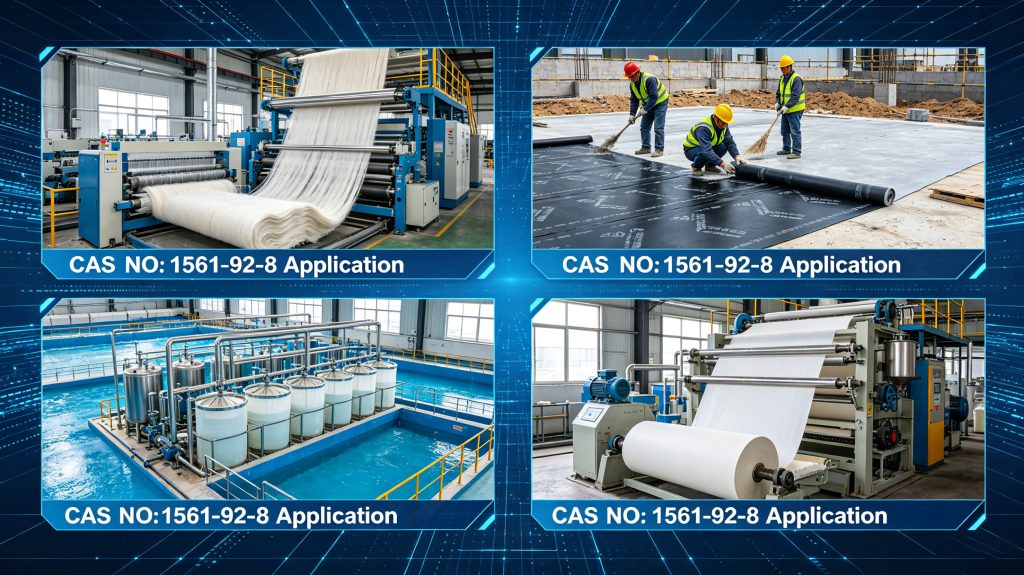
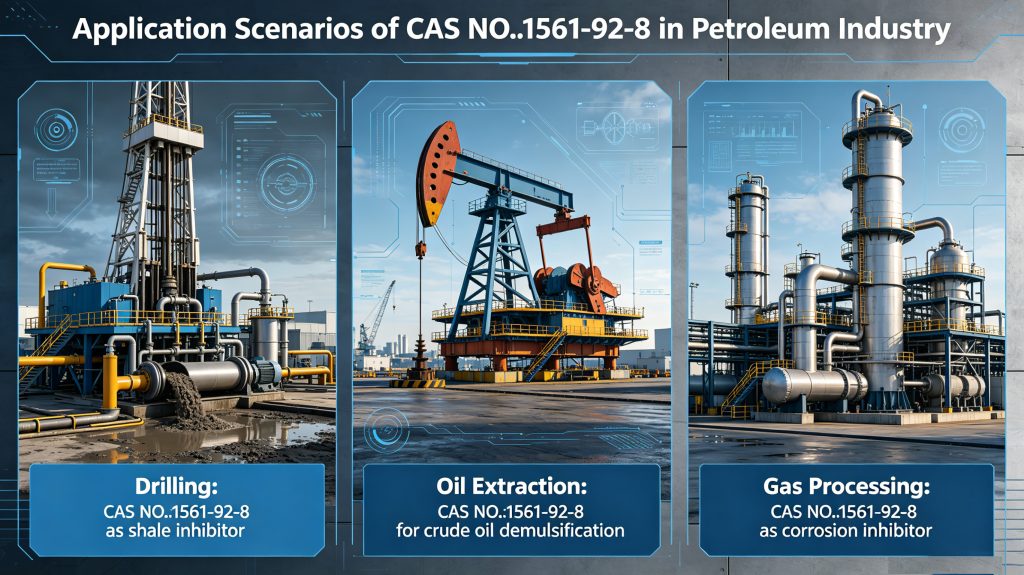
In addition to the above core fields, sodium methallylsulfonate also has a wide range of applications in many other industries, showing strong versatility: In polymer synthesis, it is used as a functional monomer to participate in the synthesis of polymers such as polyacrylic acid, polyacrylamide, and copolymers, which can improve the hydrophilicity, heat resistance, and mechanical properties of polymers, making the polymers applicable to more scenarios such as water treatment, oilfield development, and daily chemical products. In the papermaking industry, it can be used as a paper strengthening agent and sizing agent, which can improve the tensile strength, tearing strength, and folding strength of paper, enhance the water resistance and printing performance of paper, and reduce the loss of paper in the production process. In fields such as electroplating, coatings, and petroleum chemicals, it can be used as a dispersant, antistatic agent, and fluid loss reducer — in electroplating, it can improve the uniformity of the plating layer; in coatings, it can prevent the agglomeration of pigment particles; in oilfield development, it can reduce the fluid loss of drilling fluid and improve the stability of the drilling process. In the field of pharmaceutical intermediates, it can be used to synthesize pharmaceutical compounds with specific functions, and the sulfonic acid groups it contains can improve the biocompatibility and safety of some medical-grade polymer materials, ensuring that the materials are harmless to the human body and easy to degrade.
III. Safety Specifications and Regulatory Requirements of CAS NO.:1561-92-8 (sodium methallyl sulfonate, Sodium 2-methylprop-2-ene-1-sulfonate, SMAS)
As a chemical raw material, sodium methallylsulfonate corresponding to CAS NO.:1561-92-8 (sodium methallyl sulfonate, Sodium 2-methylprop-2-ene-1-sulfonate, SMAS) has certain hazards. It is harmful to the human body and can irritate the eyes, skin, and respiratory system. Therefore, strict safety specifications must be followed during production, storage, transportation, and use.
In terms of safe operation, operators must wear appropriate personal protective equipment (PPE), including gloves, goggles, and lab coats, to avoid direct skin contact and eye splashing. The operating environment must be fully ventilated to prevent inhalation of its dust or volatile gases. If skin or eye contact occurs accidentally, rinse with plenty of clean water for at least 15 minutes immediately and seek medical attention in time. If ingested accidentally, do not induce vomiting, and contact the poison control center or seek medical attention immediately. In terms of storage, the substance must be hermetically stored in a dry, cool, and ventilated warehouse, away from fire sources, heat sources, and strong oxidants, and should not be stored together with other flammable, explosive, or corrosive substances. The packaging is usually 25kg/bag to ensure storage safety.
At the regulatory level, the substance is included in the supervision scope of the EU REACH Regulation (Registration, Evaluation, Authorization and Restriction of Chemicals) and is a pre-registered substance. It is also included in European chemical inventories such as EINECS and ELINCS, and must comply with relevant requirements such as Occupational Exposure Limits (OELs) and Emission Limits (ELVs). In addition, its Classification, Labeling and Packaging (CLP) must comply with international standards. Manufacturers and importers must submit relevant classification and labeling data to ensure the accuracy and safety of product information, and protect the safety of users and the environment.
IV. Conclusion
As the unique CAS identifier of sodium methallylsulfonate, CAS NO.:1561-92-8 (sodium methallyl sulfonate, Sodium 2-methylprop-2-ene-1-sulfonate, SMAS) carries the core information of this functional chemical raw material. From acrylic fiber modification to concrete admixtures, from water treatment to polymer synthesis, it supports the development of multiple industrial fields with its unique performance and has become an indispensable important raw material in the modern chemical industry. At the same time, strict safety specifications and regulatory requirements ensure its safety and controllability throughout its life cycle. With the continuous development of chemical technology, the application scenarios of sodium methallylsulfonate corresponding to CAS NO.:1561-92-8 (sodium methallyl sulfonate, Sodium 2-methylprop-2-ene-1-sulfonate, SMAS) will continue to expand, and its potential in fields such as green chemical industry and high-end manufacturing will be further explored, providing more support for industrial upgrading and environmental protection.