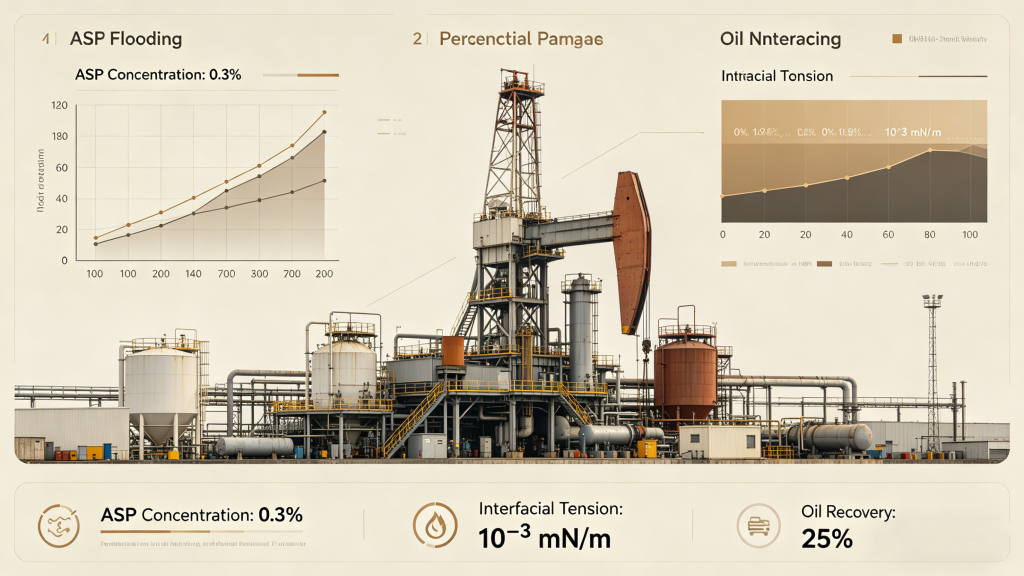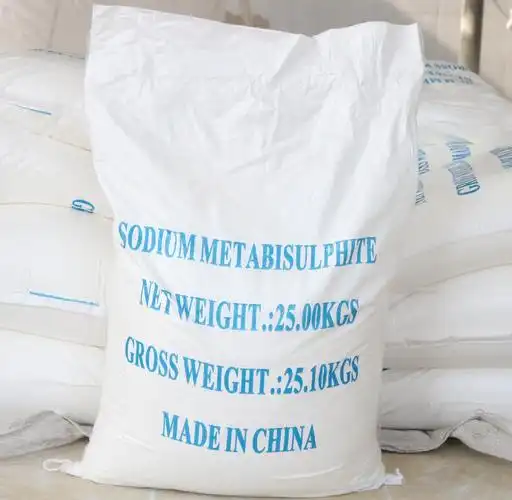
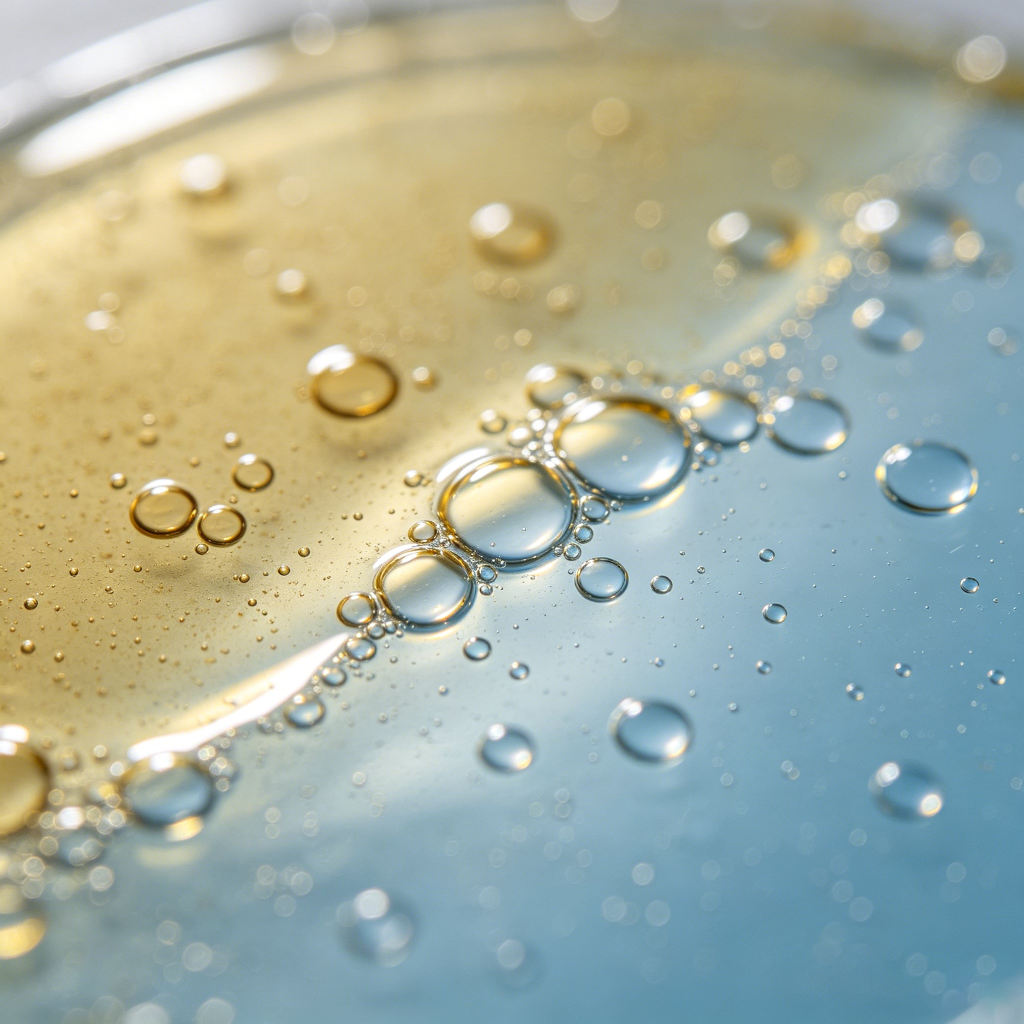
Sodium Methallyl Sulfonate (SMAS) copolymer possesses unique molecular structure and interfacial activity. When compounded with anionic and nonionic surfactants, it forms a synergistic interfacial adsorption system. This system efficiently reduces oil–water interfacial tension to an ultra‑low level and delivers outstanding long‑term stability under reservoir high‑temperature, high‑salinity and alkaline conditions. The core mechanisms are as follows:
- Synergistic Interfacial Adsorption & Dense Mixed Membrane Formation
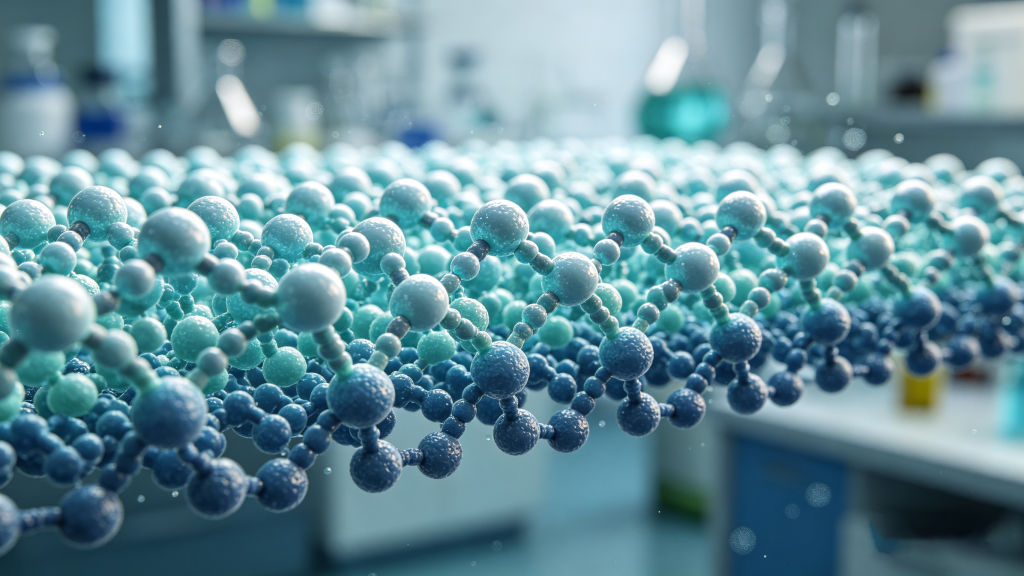
SMAS copolymer carries high‑density sulfonate anionic groups and moderate hydrophobic branched chains. It can intercalate and arrange alternately with anionic / nonionic surfactant molecules at the oil–water interface. The complementary molecular packing eliminates interfacial molecular gaps, forms a compact and ordered mixed adsorption film, greatly weakens intermolecular cohesion at the phase interface, and sharply cuts oil‑water interfacial tension. - Optimized Hydrophilic‑Lipophilic Balance (HLB) by Molecular Complementation
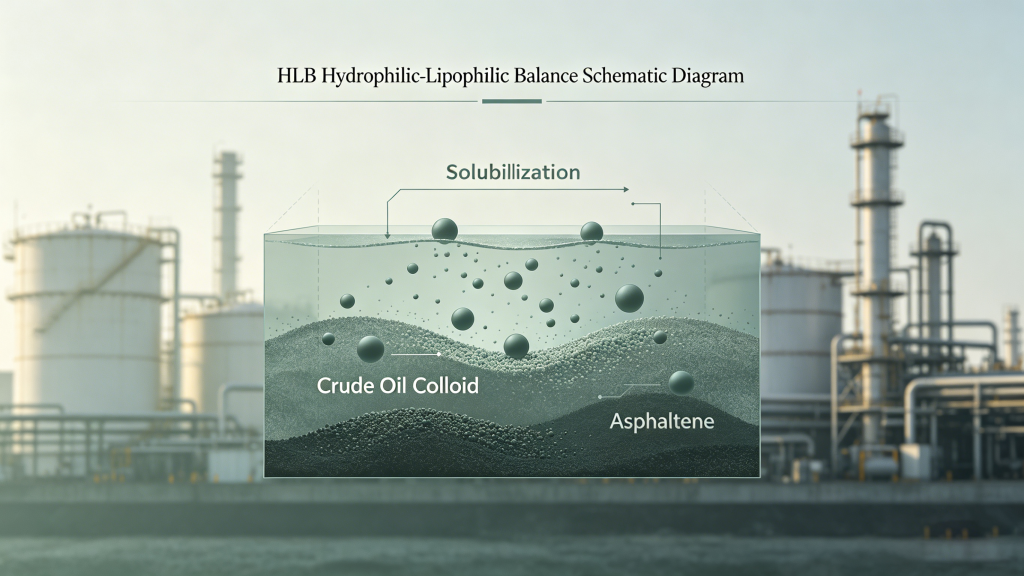
Single surfactant is limited by fixed HLB value, resulting in insufficient interfacial solubilization. The hydrophilic sulfonic acid groups of SMAS cooperate with the hydrophilic segments of surfactants, while its hydrophobic methyl branched structures match the crude oil lipophilic components. The joint regulation optimizes overall HLB, enhances the solubilization of crude oil colloid and asphaltene, and further improves interfacial activation efficiency. - Strong Salt Resistance & Electrostatic Shielding to Inhibit Membrane Damage
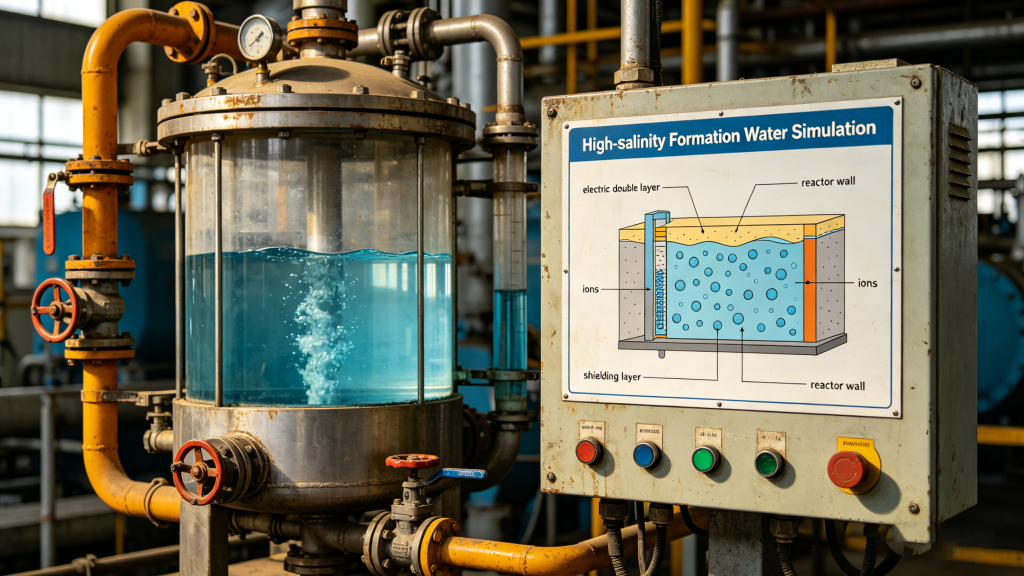
Sulfonate groups in SMAS feature ultra‑strong ionization and salt tolerance. In high‑salinity formation water, they can resist the compression of electric double layers caused by Ca²⁺, Mg²⁺ and other divalent ions. It prevents surfactant molecular aggregation, precipitation or desorption from the interface, and maintains the integrity of the interfacial film in complex brine environments. - Steric Hindrance & Hydration Film Protection for Long‑Term Stability
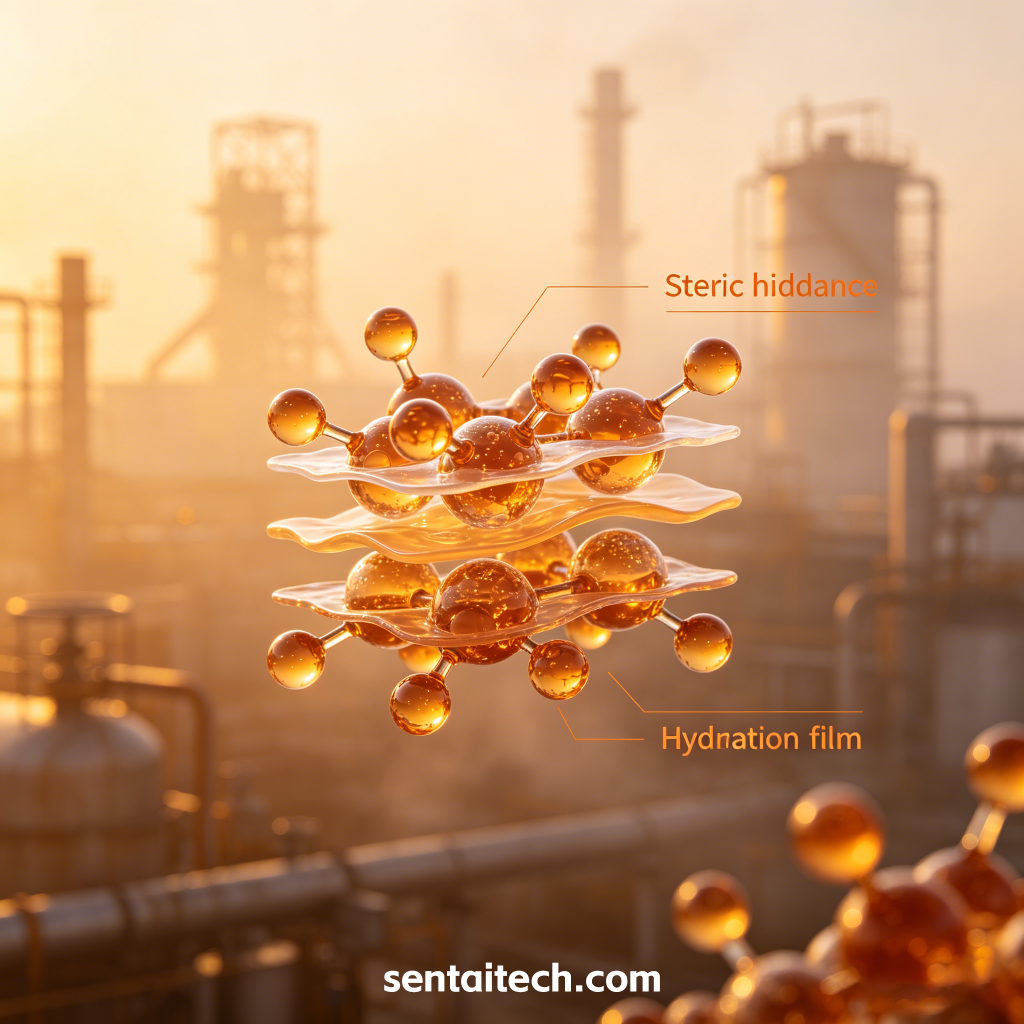
The methyl side chains of SMAS provide excellent steric hindrance effect. Combined with the thick hydration film formed by fully ionized sulfonate groups, it restrains the mutual agglomeration and molecular degradation of surfactant molecules under long‑term high‑temperature and alkaline aging. It avoids the failure of interfacial activity and ensures sustained ultra‑low interfacial tension in long‑term displacement. - Anti‑Adsorption Loss & Reservoir Adaptability
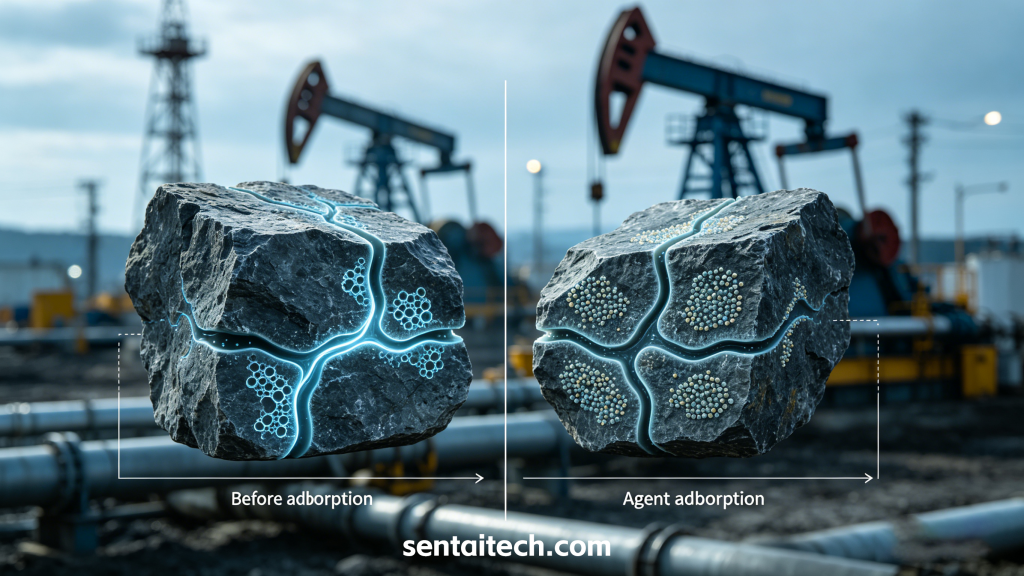
The rigid branched chain structure of SMAS weakens the excessive adsorption of surfactant–polymer composite system on rock mineral surfaces. It reduces invalid consumption of chemical agents in porous media, keeps effective concentration of active components in formation fluid stable, and realizes long‑term stable displacement performance.
Conclusion
Relying on interfacial synergistic adsorption, HLB collaborative regulation, salt‑resistant electrostatic protection and steric hindrance stabilization, SMAS copolymer and compound surfactants build a high‑stability low‑tension interfacial system. It is highly suitable for high‑temperature, high‑salinity and alkaline oil reservoirs in ASP flooding.