In alkali-surfactant-polymer (ASP) combined flooding, conventional HPAM is susceptible to severe degradation under strong alkaline conditions, including amide group hydrolysis, molecular chain fracture and viscosity attenuation, which greatly reduces oil displacement performance.
As a functional anionic monomer, Sodium Methallyl Sulfonate (SMAS) copolymerizes with acrylamide to form modified polymers. It significantly mitigates alkali-induced polymer degradation through four core structural advantages:
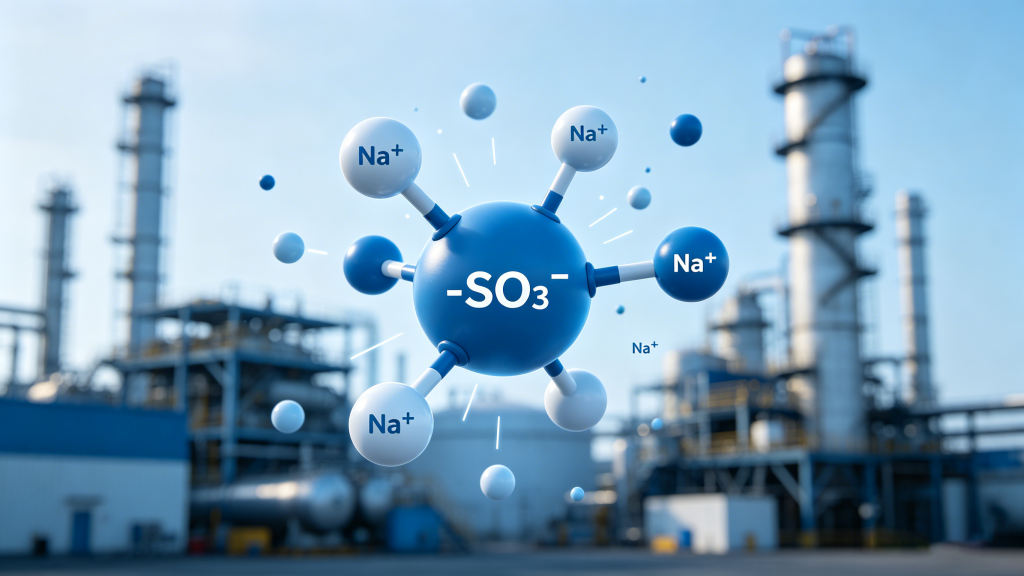
- Electrostatic Repulsion of Sulfonate Groups
Highly ionized sulfonate groups form a dense negative charge layer, repelling OH⁻ and divalent cations, restraining amide hydrolysis and molecular chain agglomeration. - Steric Hindrance Protection
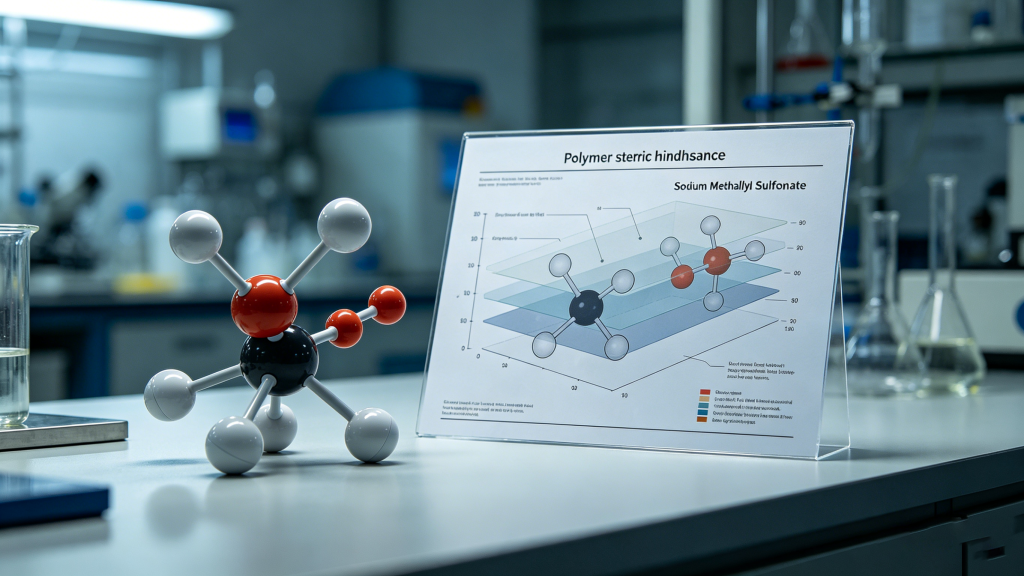
Methyl side branches of SMAS provide strong steric hindrance, shielding the polymer main chain and active functional groups from alkaline attack and slowing down hydrolysis reaction. - Main Chain Rigidification & Thermal-Alkali Resistance
Branched structures enhance main chain rigidity. The thick hydration film of sulfonate groups improves stability under high temperature, high salinity and long-term alkaline aging. - Elimination of Adjacent Group Catalysis
Different from carboxyl groups, sulfonate groups have no hydrogen-bonding donors, eliminating self-catalytic hydrolysis and preventing continuous chain degradation in alkaline environments.
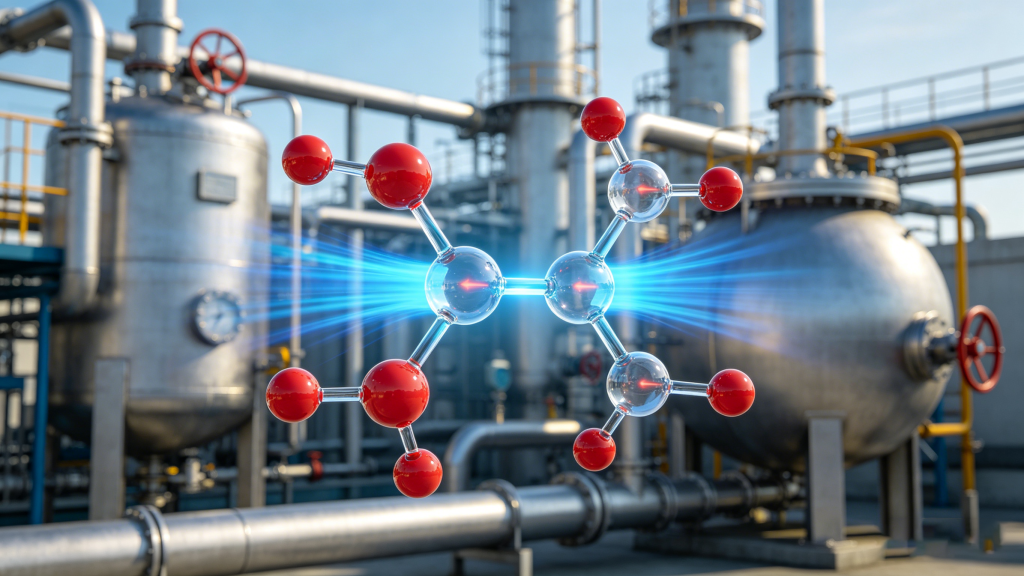
In conclusion, SMAS-modified copolymers realize comprehensive structural protection, effectively maintain solution viscosity in high-alkali oil reservoirs, and are high-efficiency functional chemicals for ASP flooding exploitation.