
1. Core Precautions During Sodium Bromide Completion Fluid Mixing
1.1 Feeding Sequence Standard to Prevent Caking & Fisheye
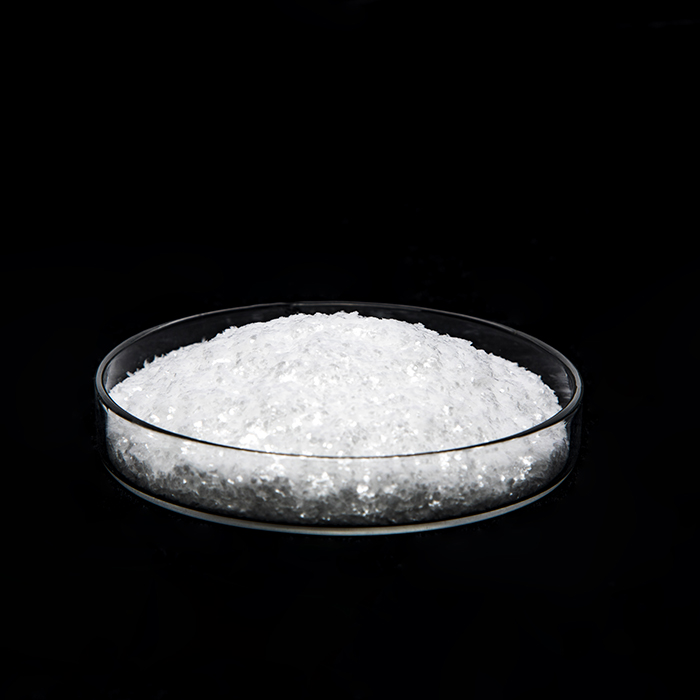
Solid sodium bromide absorbs moisture easily. Never pour large amounts of NaBr powder into static water directly, which will cause hard caking and insoluble fisheye agglomerates. Operation standard: Add fresh mixing water first, turn on full-power circulation agitators, then feed sodium bromide slowly in batches. Maintain continuous stirring during the whole dissolving process.
1.2 Water Quality Restriction
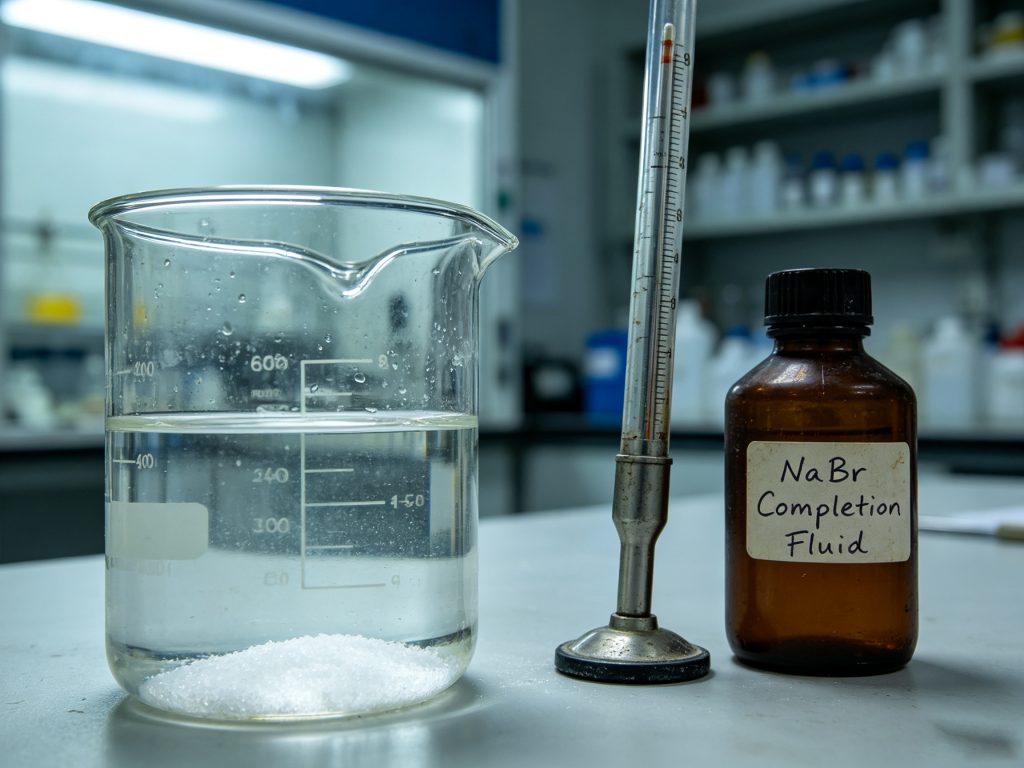
High hardness water contains calcium and magnesium ions, which will generate sediment mixed with bromide ions and pollute the brine system. Only use low-hardness fresh water or deionized water for mixing sodium bromide completion fluid. Avoid sewage and recycled water with high metal ion content.
1.3 Compatibility Control with Additives
Biocides, corrosion inhibitors and viscosifiers cannot be mixed with concentrated sodium bromide brine simultaneously. Prepare NaBr base brine first, adjust density to target value, then dilute and add functional additives step by step to avoid flocculation failure.
1.4 Temperature Limitation for Dissolving
Low ambient temperature slows down dissolution speed of sodium bromide. For winter offshore platform construction, preheat mixing water properly to shorten dissolving time and prevent premature crystallization of undissolved salt particles.
2. Standard Operations to Accurately Control Sodium Bromide Brine Density
2.1 Real-Time Sampling & Calibration Timing
Take brine samples 10–15 minutes after each batch of sodium bromide feeding. Static standing brine will produce salt precipitation at the tank bottom, leading to inaccurate density test data. Sampling points must be set at circulating pipelines with continuous flow.
2.2 Correct Testing Instrument Selection
Use API standard mud balance for field density measurement instead of simple hydrometers with large error. Calibrate the mud balance with pure water before each group of testing to eliminate instrument deviation.
H3 2.3 Density Adjustment Method
- If density is lower than design value: Add small batches of solid sodium bromide under stirring, test repeatedly until reaching target range.
- If density exceeds well design standard: Gradually inject qualified low-hardness fresh water, circulate uniformly and recheck density to prevent excessive brine weight crushing reservoir formation.
H3 2.4 High-Temperature Deep Well Density Correction
Sodium bromide brine expands with temperature rise. For deep wells above 120℃, reserve 0.02–0.04 lb/gal density allowance during surface mixing to offset thermal expansion density loss downhole.
3. Common Mixing Errors That Disturb Brine Density Stability
- Intermittent stirring leads to uneven salt concentration inside mixing tanks;
- Ignoring water hardness index, resulting in sediment accumulation changing effective brine density;
- One-time massive feeding of sodium bromide causes incomplete dissolution and false low density reading;
- No temperature compensation for high-temperature well conditions, triggering downhole pressure imbalance risk.
4. Onsite Operation Summary
Strict feeding order, qualified mixing water and real-time circulating sampling are the core of stable sodium bromide completion fluid preparation. Combined with API density calibration and high-temperature correction rules, operators can precisely control brine density, reduce equipment corrosion and avoid permanent oil & gas reservoir damage caused by unqualified weighted brine.