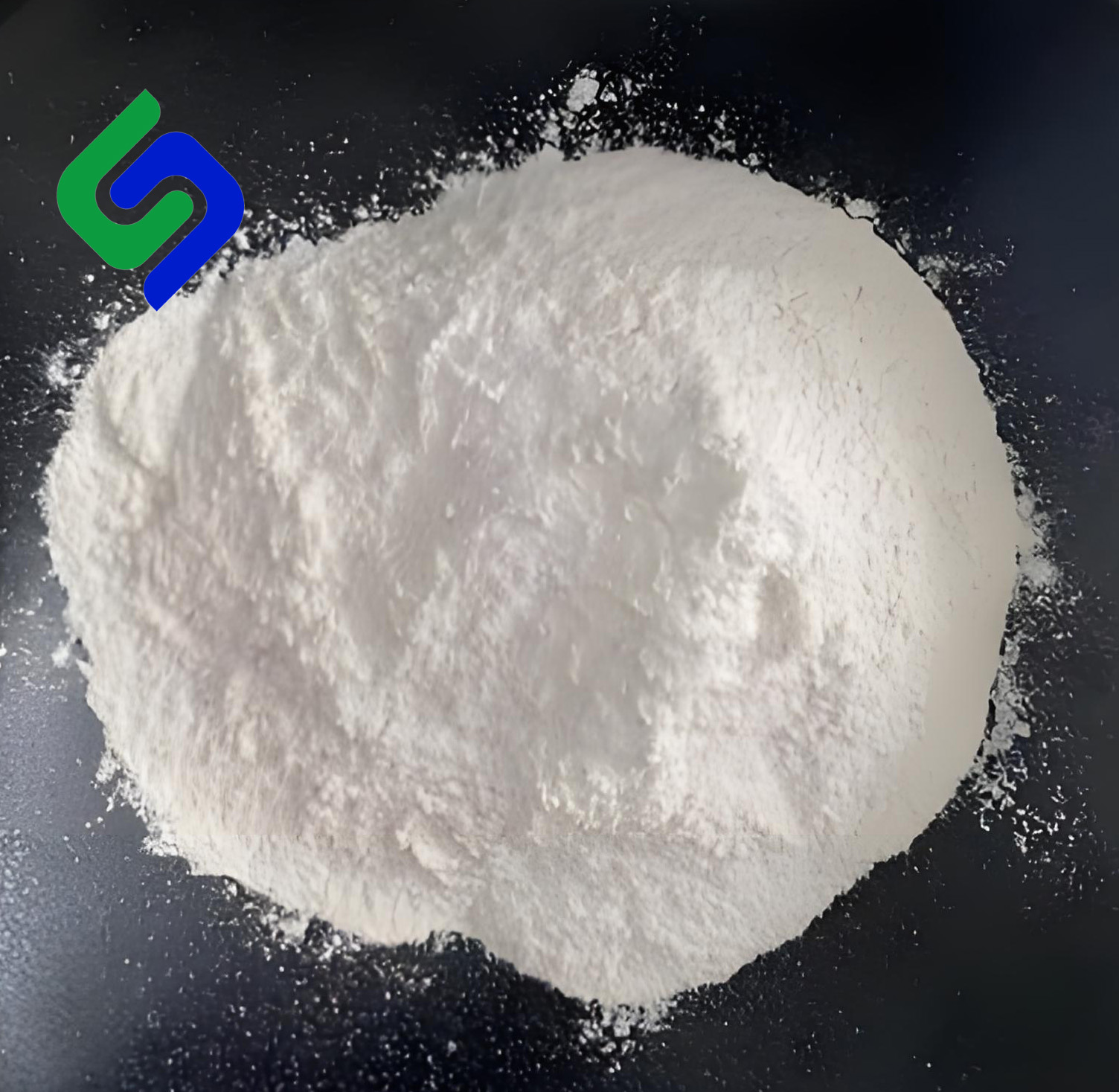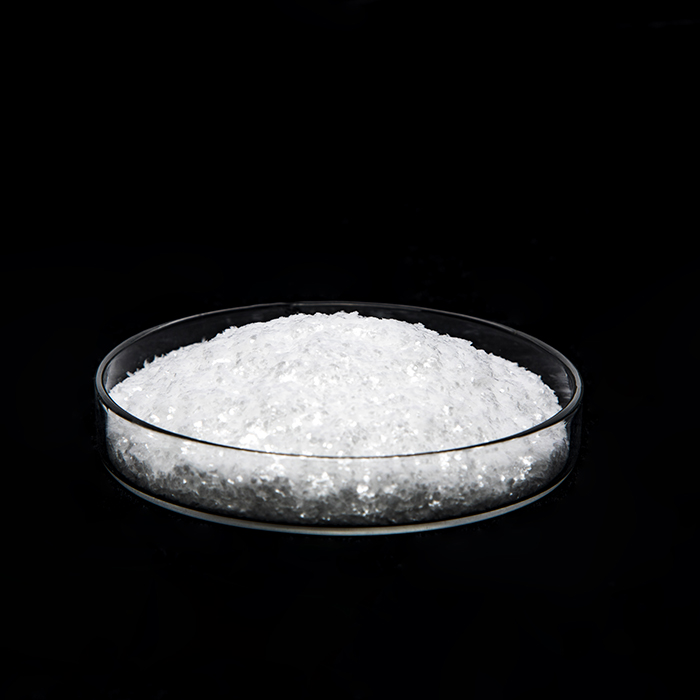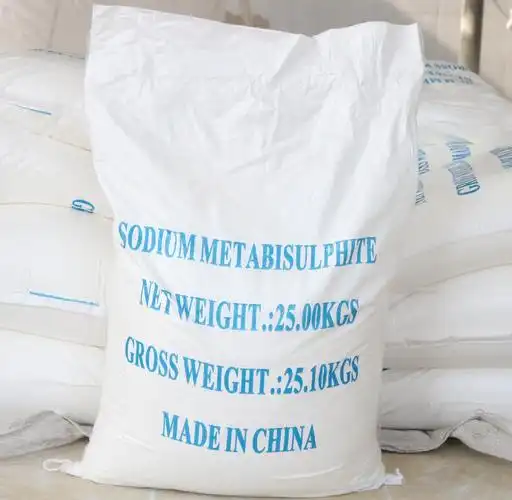

Complete Raw Material Purity Assurance System for Sodium Methallyl Sulfonate (SMAS)
High-purity SMAS (active content ≥95%) is the foundation for stable performance of acrylic acid-SMAS water treatment copolymers. Impurities including heavy metals, residual sulfite, free methallyl chloride, inorganic salts and moisture will ruin polymerization and final scale inhibition/dispersion effects. Below is a full-process control plan covering upstream synthesis purification, finished product refining, batch incoming inspection and standardized storage.
1. Strict Raw Material Purification During SMAS Manufacturing
1.1 Controlled Synthesis Process to Cut Primary Impurities
- Precision pH neutralization control Maintain neutralization pH at 7.5–8.5 during the reaction of methallyl chloride and sodium bisulfite. Over-low pH generates insoluble sulfonic acid precipitates; over-high pH accelerates hydrolysis of methallyl chloride to form allyl alcohol byproducts. Slow dropwise feeding of methallyl chloride under continuous stirring avoids local overheating and self-polymerization of monomers.
- Low-temperature reaction to reduce dimeric impurities Keep synthesis temperature below 60°C to suppress intermolecular dimerization of methallyl sulfonate, lowering high-viscosity oligomer impurities that cause caking and polymerization inhibition.
1.2 Multi-stage Deep Refining Process
- Activated carbon adsorption decolorization & heavy metal removal Add food-grade activated carbon under stirring to adsorb organic oligomers, aldehyde/ketone degradation products and chelated heavy metal ions (Fe, Cu, Mn). Filter carbon residue to eliminate yellow discoloration and metal contamination.
- Microfiltration & ultrafiltration separation 0.22μm membrane filtration removes undissolved inorganic salt particles and polymer microgel residues that cannot be separated by conventional filter cloth.
- Recrystallization purification with low-polar mixed solvent Adopt methanol + methyl tert-butyl ether mixed solvent recrystallization: slow cooling crystallization (0.5–1°C/h) separates soluble inorganic impurities (NaCl, Na₂SO₄) from SMAS crystals, significantly lifting active ingredient content.
- Vacuum low-temperature drying Dry crystallized SMAS at 45–55°C under -0.07~-0.09 MPa vacuum. Strictly limit residual moisture ≤0.2%; high temperature over 60°C triggers C-S bond cleavage and SMAS thermal decomposition.
2. Mandatory Incoming Quality Inspection (IQC) for Water Treatment Manufacturers
Set clear pass/fail standards and full testing for every delivery batch; reject non-compliant batches without dilution or blending.
2.1 Core Purity Index Acceptance Standards
| Testing Item | Qualified Standard | Harm of Exceeding Standard |
|---|---|---|
| Active SMAS content | ≥95% | Insufficient sulfonate grafting ratio, weak anti-scale & salt resistance |
| Total heavy metals (Fe³⁺, Cu²⁺, Mn²⁺) | ≤10 ppm | Terminates free-radical polymerization, wide molecular weight distribution |
| Residual sulfite | ≤0.3% | Consumes persulfate initiators, neutralizes circulating water biocides |
| Residual methallyl chloride monomer | ≤0.1% | Severe persistent foaming in cooling tower systems |
| Moisture content | ≤0.2% | Hygroscopic agglomeration, uneven feeding during copolymerization |
| Chloride ion (Cl⁻) | ≤0.5% | Corrodes stainless steel reactors, introduces extra metal impurities |
2.2 Complete Batch Testing Methods
- HPLC quantitative analysis for active SMAS content
- Atomic absorption spectrophotometry for heavy metal ion detection
- Potentiometric titration for residual sulfite and chloride ion
- Karl Fischer moisture test for residual water measurement
- Auxiliary compatibility verification: small lab copolymerization with acrylic acid to test monomer conversion rate and finished polymer appearance
- Foam stability simulation test to check surface-active impurity content
3. Anti-Contamination Storage & Transportation Purity Protection
- Sealed barrier packaging Use double-layer PE drums lined with aluminum foil inner bags to isolate moisture, oxygen and airborne dust, preventing secondary moisture absorption and impurity cross-contamination.
- Constant-temperature dry warehouse storage Warehouse temperature controlled at 15–25°C, relative humidity ≤45% with continuous dehumidification. Isolate SMAS from strong acids, oxidants and cationic chemicals to avoid cross-reaction contamination.
- Standard stacking management Avoid long-term static compression; flip raw material barrels every 7 days to prevent compacted agglomeration. Limit maximum storage period to 30 days to reduce slow oxidative impurity generation.
- Rainproof and shading transportation Cover tarpaulins during transit to prevent barrel rupture, rainwater ingress and high-temperature sun exposure that triggers SMAS decomposition.
4. On-Site Feeding Purity Control for Polymerization Workshops
- Pre-use visual inspection: Check barrel leakage, discoloration and hard agglomeration before opening; discard yellowed, heavily caked SMAS batches.
- Low-humidity feeding environment: Install workshop dehumidifiers, minimize the open exposure time of SMAS powder to air.
- Pre-dispersion pretreatment: Suspend SMAS in anhydrous methanol with high-speed stirring to crush minor agglomerates; filter undispersed hard cores before adding to reactors.
- Full batch traceability: Record batch number, test reports, feeding volume and finished copolymer quality data for more than 5 years to trace any purity fluctuation source.
5. Emergency Treatment for Substandard SMAS Raw Materials
- Slightly high moisture: Re-vacuum dry to reduce moisture below 0.2% before use.
- Minor agglomeration: Mechanical crushing + solvent re-suspension filtration to remove impurity core lumps.
- Excess heavy metals/residual sulfite: Strictly isolate and return to supplier; never mix with qualified SMAS for production.