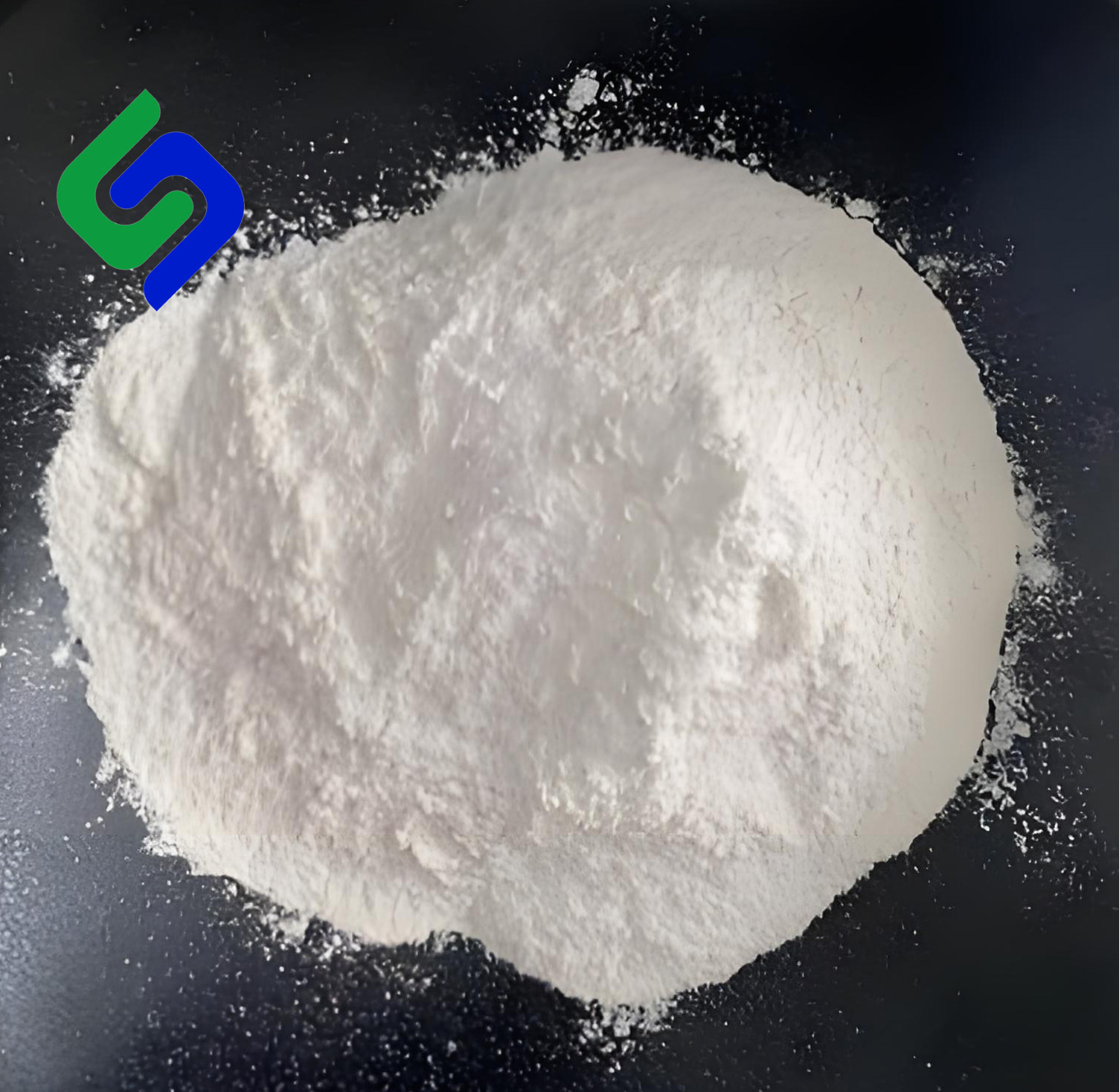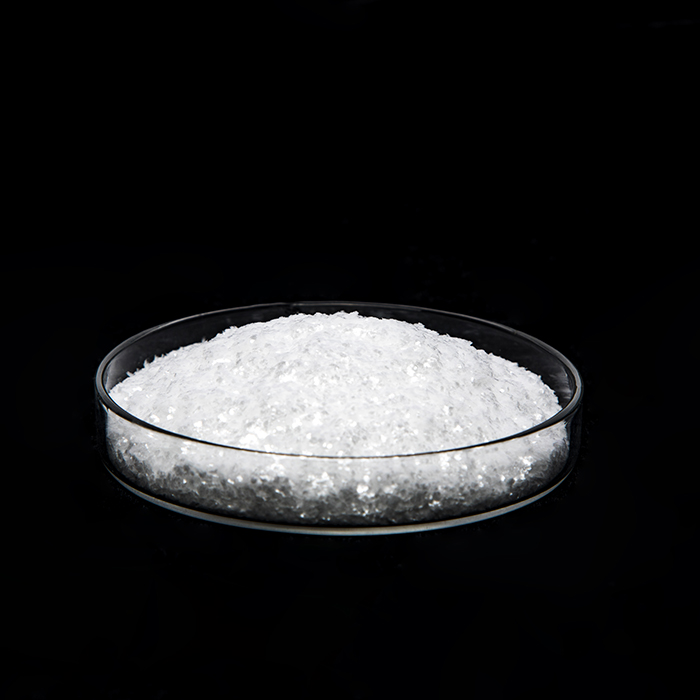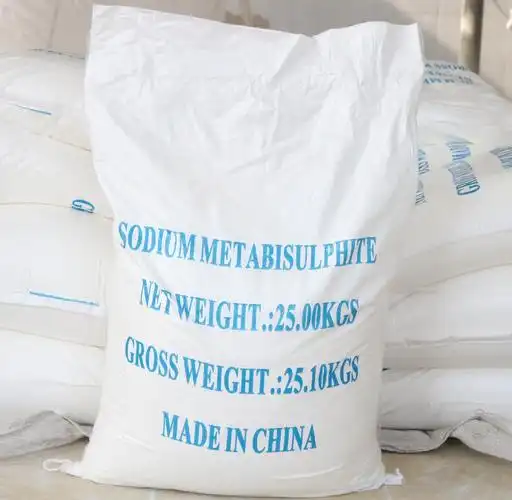

Sodium allyl sulfonate (SAS / ALS, CAS NO.:2495-39-8) is a common anionic sulfonate monomer for synthesizing water-soluble acrylamide-based copolymers used as thickeners in oilfield fracturing fluid. The pH value of the sodium allyl sulfonate polymerization system directly affects initiator decomposition rate, monomer copolymerization reactivity, final molecular weight, dissolution speed, temperature resistance and salt tolerance of the fracturing polymer. Improper pH adjustment during SAS polymerization will lead to unstable conversion, low viscosity, gel particle defects and poor fracturing fluid performance. Strict pH control and standardized adjustment operation are essential for consistent quality of oilfield fracturing fluid polymers.
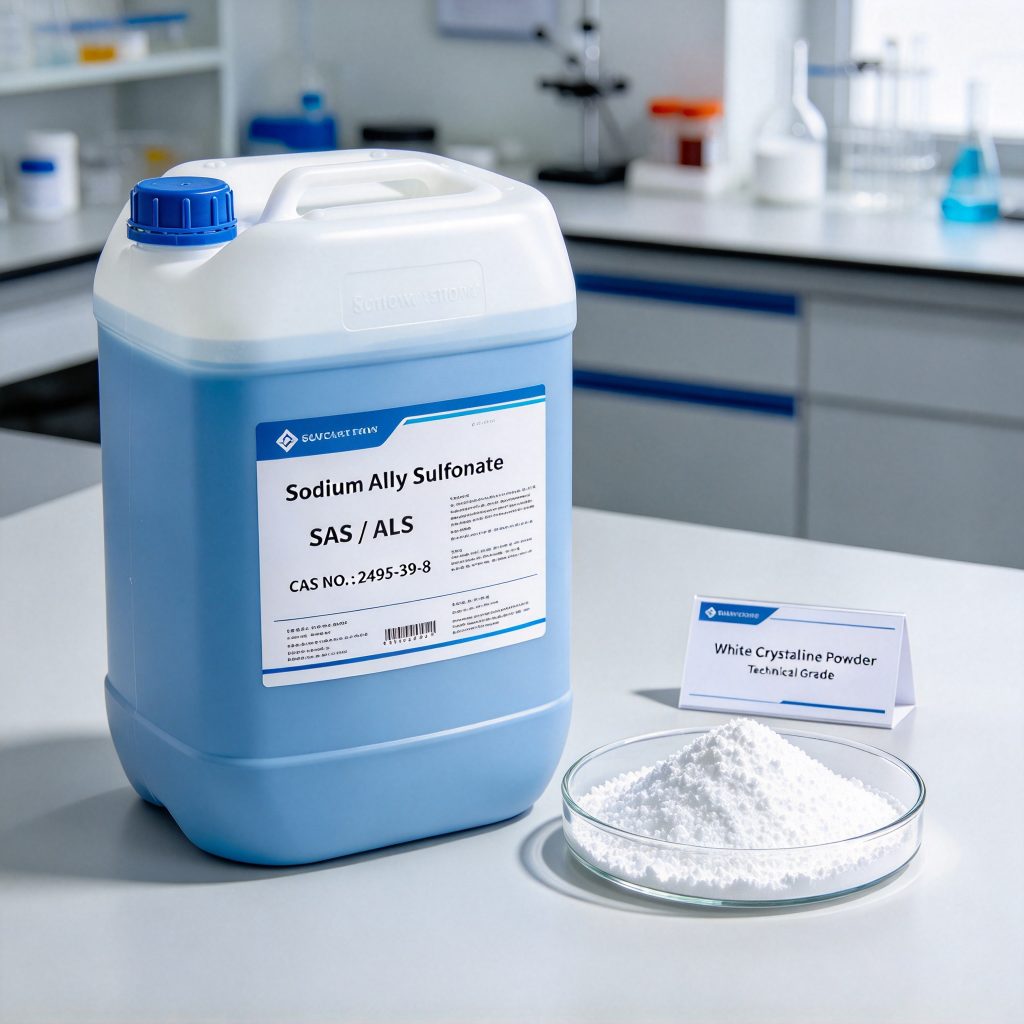
Core Effects of pH on Sodium Allyl Sulfonate (SAS, CAS NO.:2495-39-8) Polymerization
Sodium allyl sulfonate carries stable sulfonate groups, while the comonomers (acrylamide, acrylic acid and functional monomers) are sensitive to acid-base environment.
1. Influence on initiator activity
Most redox initiator systems for SAS copolymerization have an optimal pH window. In too acidic conditions, the redox pair decomposes too fast, triggering runaway polymerization and low average molecular weight. Over-alkaline environment suppresses initiator decomposition, reduces monomer conversion rate and leaves high residual sodium allyl sulfonate monomer.
2. Influence on copolymerization reactivity ratio
Sodium allyl sulfonate (CAS NO.:2495-39-8) and acrylamide have different reactivity under different pH. Deviation from target pH breaks the designed copolymer sequence distribution. The resulting polymer loses its original anti-shearing and high-temperature resistance required for oilfield fracturing fluid.
3. Hydrolysis risk of acrylamide units
High alkaline pH during polymerization accelerates premature hydrolysis of acrylamide groups. Excessive carboxylate groups cause abnormal thickening, poor salt tolerance and irreversible crosslinking tendency in the finished fracturing polymer.
4. Risk of monomer degradation
Strong alkaline long-time holding can slowly degrade sodium allyl sulfonate, producing small-molecule by-products that act as chain transfer agents and cut polymer molecular weight.
Key Precautions for pH Adjustment in SAS Polymerization for Oilfield Fracturing Fluid
1. Confirm the optimal pH window before feeding
For typical sodium allyl sulfonate (SAS/ALS, CAS NO.:2495-39-8) – acrylamide copolymer for fracturing thickener, the preferred polymerization pH range is usually 5.0–7.0. Avoid strong acid (pH<4) and strong alkaline (pH>8.5) polymerization environment. Test pH after dissolving SAS monomer and before adding initiator.
2. Select suitable pH regulator, avoid impurity interference
Use dilute sulfuric acid or dilute sodium hydroxide solution for pH calibration. Do not use regulators containing heavy metals or complex organic additives. Metal ions will act as polymerization inhibitors and destroy the fracturing polymer’s viscosity retention. Add regulator slowly under continuous stirring.
3. Adjust pH only after full monomer dissolution
Fully dissolve sodium allyl sulfonate and other comonomers and homogenize the whole aqueous system first. Adjusting pH when solid SAS powder remains undissolved will cause local over-acid/over-alkali hot spots and inconsistent monomer reactivity.
4. Prevent local overshoot during titration
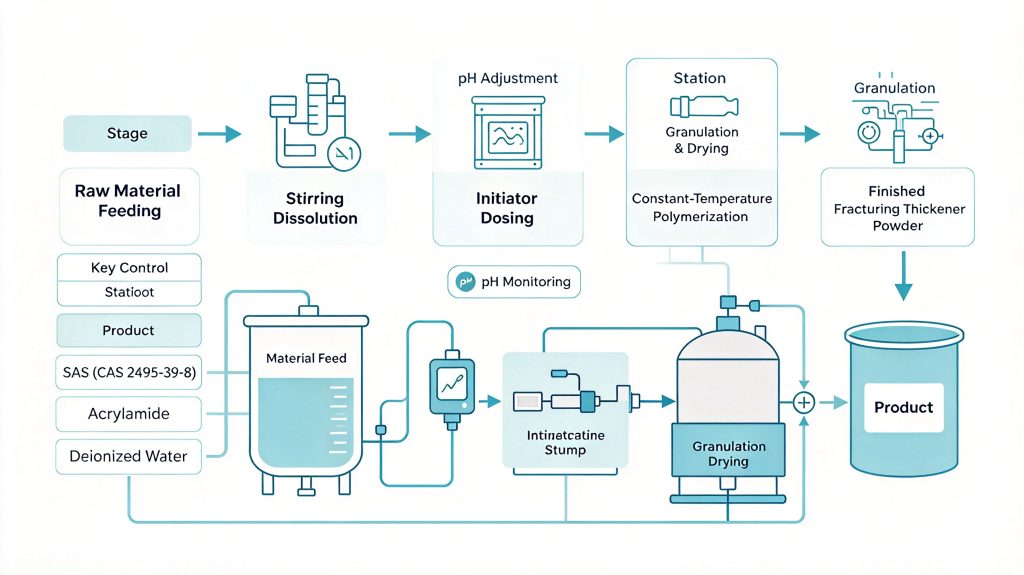
Add acid or alkali dropwise with online pH monitoring. Fast one-time dosing causes pH overshoot. Once pH jumps out of the target window, it is difficult to reverse the polymerization kinetic state even if neutralized back.
5. Separate pH check before and after initiator addition
pH will drift slightly after initiator input. Finish the main pH adjustment before initiator feeding. Do not add large amounts of acid/alkali after polymerization starts; late pH correction easily leads to partial crosslinking and fish-eye gel particles in the fracturing polymer.
6. Match pH with reaction temperature and holding time
Higher reaction temperature narrows the safe pH range of sodium allyl sulfonate polymerization. At elevated polymerization temperature, tighter pH control is required to prevent premature hydrolysis and molecular weight loss.
7. Record pH curve for batch traceability
Keep pH-time records for every batch. Stable pH curve is an important quality indicator for oilfield-grade SAS copolymer, which supports repeatable fracturing fluid performance for downstream oil service companies.
Common Faults Caused by Improper pH Adjustment
- pH too low: Fast initiator decomposition, low molecular weight, low fracturing fluid viscosity, poor heat resistance.
- pH too high: Acrylamide over-hydrolysis, unstable viscosity in brine, easy crosslinking, high residual SAS monomer.
- Local pH overshoot: Fish eyes, insoluble microgels, poor dissolution performance of polymer powder.
Conclusion
Sodium allyl sulfonate (SAS / ALS, CAS NO.:2495-39-8) is a key functional monomer for oilfield fracturing fluid thickener polymers. pH adjustment of its polymerization system must be controlled within the suitable weak acid to near-neutral window. Operators should choose clean pH regulators, adjust slowly after full monomer dissolution, avoid post-initiation large acid-base compensation and track real-time pH drift. Reasonable pH control stabilizes monomer conversion, locks target molecular weight and guarantees temperature and salt resistance of the final fracturing fluid.
FAQ About Sodium Allyl Sulfonate SAS ALS CAS 2495-39-8 Polymerization pH & Oilfield Fracturing Fluid
Q1: What is sodium allyl sulfonate (SAS, CAS NO.:2495-39-8) used for in fracturing fluid polymers?
A1: Sodium allyl sulfonate (SAS/ALS, CAS NO.:2495-39-8) provides rigid sulfonate side chains into acrylamide copolymer. It improves the polymer’s high-temperature and anti-salt performance, which is critical for deep well fracturing fluid thickeners.
Q2: Why cannot SAS polymerization for fracturing fluid run under strong alkaline conditions?
A2: High pH accelerates acrylamide hydrolysis during polymerization, changes the charge density of the copolymer, reduces salt tolerance, and may introduce unexpected crosslinking. The finished fracturing fluid will show unstable viscosity downhole.
Q3: Can I adjust pH after the polymerization reaction has started?
A3: It should be avoided as much as possible. Small fine tuning is allowed only in a narrow range. Large acid or alkali addition after initiation will cause local abnormal polymerization, gel speckles and uneven molecular weight distribution.
Q4: What pH regulator is recommended for sodium allyl sulfonate polymerization system?
A4: Dilute NaOH solution for upward pH adjustment and dilute sulfuric acid for downward adjustment. Avoid phosphate, borate or metal-containing regulators, as these impurities interfere with fracturing fluid crosslinking and stability.
Q5: What will happen if pH is too low in SAS polymerization?
A5: Redox initiator decomposes rapidly, reaction runs out of control, polymer molecular weight drops sharply, and the thickener cannot provide enough viscosity for oilfield fracturing fluid.
Q6: Is the optimal pH the same for all SAS fracturing polymer formulas?
A6: No. The target pH window depends on comonomer type, initiator system and target application (shallow well / high-temperature deep well). Lab formulation tests with sodium allyl sulfonate (CAS NO.:2495-39-8) are required to confirm the best pH setpoint.
References
[1] PubChem. Sodium 2-propene-1-sulfonate, CAS 2495-39-8, Compound Summary[EB/OL]. https://pubchem.ncbi.nlm.nih.gov/compound/Sodium-allylsulfonate
[2] ScienceDirect. Synthesis and performance of acrylamide-sodium allyl sulfonate copolymer for high temperature fracturing fluid[J]. Journal of Petroleum Science and Engineering, 2022.
[3] SPE. Water-Soluble Polymers for Hydraulic Fracturing Fluids: Synthesis and Stability Guidelines[R]. SPE International Conference, 2020.
[4] Sigma-Aldrich. Sodium allylsulfonate (SAS / ALS) Monomer Specification for Water-Soluble Polymer Synthesis[EB/OL]. https://www.sigmaaldrich.com
[5] Chinese Journal of Applied Chemistry. pH effect on copolymerization reactivity of sodium allyl sulfonate and acrylamide[J], 2023.