
1. Hazard Profile of Sodium Methallyl Sulfonate (SMAS, CAS NO.:1561-92-8) Powder
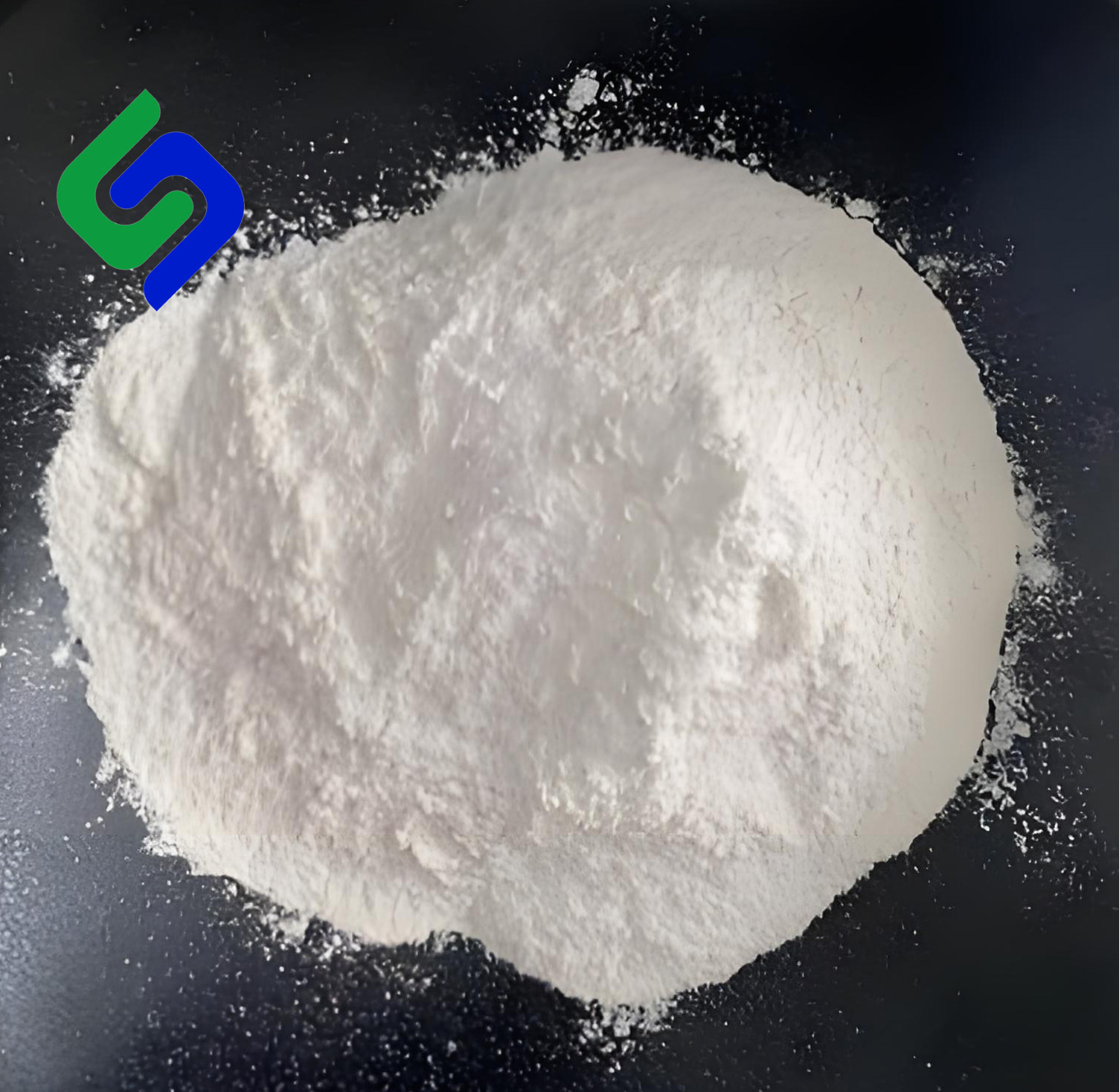
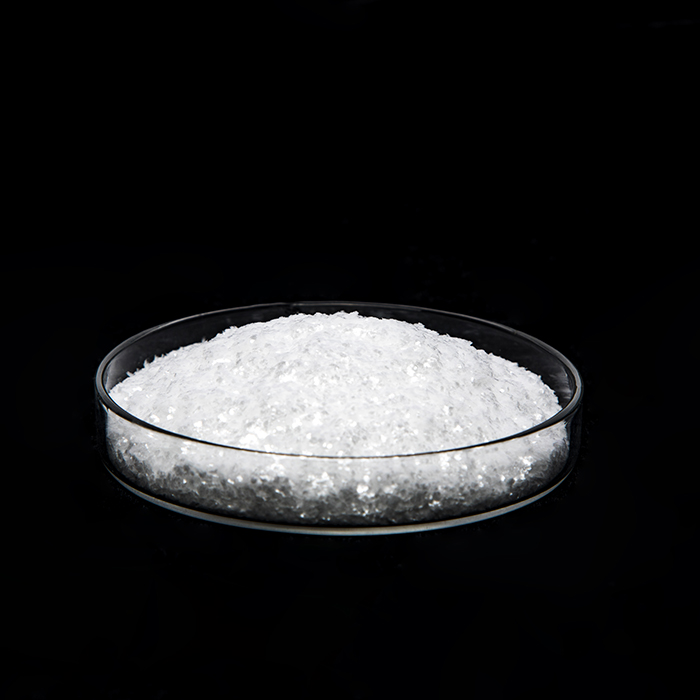
Sodium methallyl sulfonate, abbreviated as SMAS, CAS NO.:1561-92-8, is a widely used anionic functional monomer in the synthesis of polycarboxylate superplasticizers, oilfield water-soluble polymers and water treatment dispersants. Most commercial SMAS is supplied as white crystalline powder. During manual weighing, bag dumping, powder transfer, crushing and feeding operations, fine SMAS dust can become suspended in the air of chemical workshops. Although sodium methallyl sulfonate is not classified as an acutely toxic substance, the dust of SMAS is a recognized irritant to human mucous membranes and skin. Repeated or prolonged exposure to sodium methallyl sulfonate powder without adequate protective measures will trigger a series of occupational health problems. Understanding the inherent hazards of SMAS powder is the foundation of skin and respiratory protection for all on-site operators.
2. Respiratory Hazards of Sodium Methallyl Sulfonate Powder and Corresponding Protection Requirements
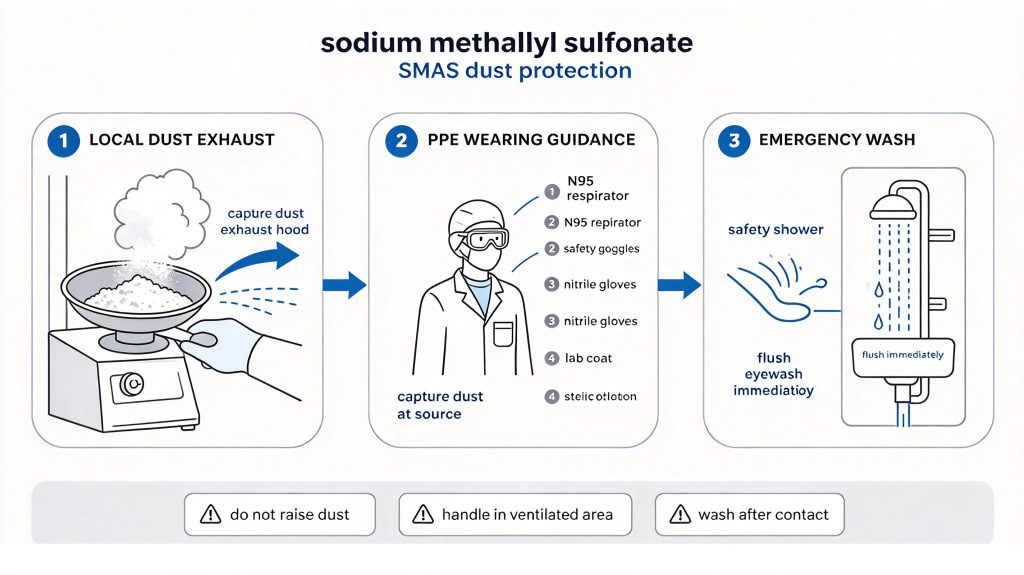
Inhalation of airborne sodium methallyl sulfonate dust is one of the most common exposure routes for frontline workers. Tiny SMAS dust particles can penetrate the nasal cavity, pharynx, trachea and bronchus. Short-term inhalation often causes throat dryness, sneezing, nasal itching and mild cough. Continuous exposure to high dust concentration may lead to persistent bronchial irritation, chest tightness and allergic rhinitis for sensitive personnel. For long-term production staff, cumulative inhalation of SMAS dust increases the risk of chronic respiratory discomfort. For respiratory protection of sodium methallyl sulfonate powder operations, engineering control is prioritized. Enclosed transfer equipment, vacuum feeding systems and local exhaust ventilation hoods should be installed at all dust-generating stations to reduce floating SMAS dust. On the PPE side, FFP2 or N95 particulate respirators are the minimum standard for routine weighing and sampling work. During bulk bag unloading or material recovery with heavy dust, half-face respirators fitted with P100 particulate filter cartridges must be worn. Simple cloth masks, cotton masks and ordinary surgical masks cannot block fine sodium methallyl sulfonate dust effectively. Workers must perform a respirator seal check before each use, and replace filters or damaged masks promptly.
3. Skin Irritation Risks from Sodium Methallyl Sulfonate (SMAS, CAS NO.:1561-92-8) Powder
Dry sodium methallyl sulfonate powder is hygroscopic. Once SMAS powder contacts human skin, it absorbs surface moisture and dissolves slightly, releasing sulfonate ions that irritate the epidermal layer. Typical symptoms include skin dryness, tightness, erythema, itching and contact dermatitis. The irritation effect becomes far more severe if the skin has existing scratches, cracks or abrasions. When operators sweat during work, moisture on the skin accelerates SMAS dissolution, which aggravates skin burning and redness. If contaminated sodium methallyl sulfonate powder stays on the skin for a long time without cleaning, repeated exposure may develop into recurrent allergic contact dermatitis. Splashes of concentrated SMAS aqueous solution bring stronger skin irritation risks than dry powder.
4. Full-Specification Skin Protection PPE for Handling SMAS Powder
A complete set of skin protective equipment must be worn before any sodium methallyl sulfonate powder handling activity. Nitrile chemical-resistant gloves are the preferred option; latex gloves are not recommended due to common latex allergy risks and weak resistance to sulfonate monomers. The glove size should fit tightly to prevent SMAS powder from seeping through gaps. Operators need to wear long-sleeve chemical disposable coveralls or reusable anti-dust protective suits with elastic cuffs and ankle seals, which prevent sodium methallyl sulfonate dust from drifting into underclothes. Safety goggles combined with face shields are mandatory to avoid SMAS powder splashing onto facial skin and eyes. Contaminated protective clothing should be removed in the designated decontamination zone, and workers shall not wear SMAS-contaminated PPE to canteens, offices or rest areas. Damaged gloves or coveralls must be replaced immediately once cracks or holes are found.
5. On-Site First-Aid Procedures for Skin and Respiratory Exposure to Sodium Methallyl Sulfonate
Standard emergency response protocols must be posted near all SMAS powder operation points, with safety showers and emergency eyewash stations within easy reach. If sodium methallyl sulfonate powder contacts the skin: brush loose SMAS powder off gently first without rubbing, then flush the affected skin continuously with plenty of running clean water for no less than 15 minutes. If burning, rash or itching does not fade after rinsing, seek professional medical treatment. If SMAS powder enters the eyes: hold eyelids open and rinse thoroughly under the eyewash with flowing water for at least 15 minutes, and visit an ophthalmologist quickly if pain, blurred vision or redness remains. If a worker accidentally inhales a large amount of sodium methallyl sulfonate dust: move the exposed person to fresh open air right away, loosen tight clothing and monitor breathing status. Administer oxygen support and transfer to hospital if breathing difficulty appears. All exposure incidents should be recorded for occupational health tracking and process improvement of SMAS production.
6. Hygiene Management and Administrative Controls to Reduce SMAS Exposure Risk
Personal hygiene rules and regular safety training are critical supplements to PPE for sodium methallyl sulfonate handling. Operators must wash hands, forearms and exposed skin with mild soap after finishing SMAS operations, before eating, drinking or smoking. Eating, drinking and smoking are strictly prohibited inside the workshop where sodium methallyl sulfonate powder is processed. Enterprises should carry out regular air monitoring to test the concentration of airborne SMAS dust and verify the working efficiency of dust collection and ventilation systems. Routine occupational health examinations should be arranged for workers who handle sodium methallyl sulfonate on a daily basis. Safety training covers SMAS hazard identification, correct PPE donning and doffing, dust control methods and emergency first aid steps for sodium methallyl sulfonate (CAS NO.:1561-92-8).

FAQ
Q1: Is sodium methallyl sulfonate (SMAS, CAS NO.:1561-92-8) highly toxic?
A1: Sodium methallyl sulfonate, SMAS, CAS NO.:1561-92-8, is not classified as highly toxic. Its main hazard is skin and respiratory irritation caused by fine powder dust. Long-term repeated exposure may induce allergic dermatitis and chronic airway irritation.
Q2: Can surgical masks be used for respiratory protection during SMAS powder weighing?
A2: No. Ordinary surgical masks cannot filter fine sodium methallyl sulfonate dust. N95 or FFP2 particulate respirators are the minimum requirement for routine SMAS weighing. Half-face respirators with P100 filters are required for high-dust bulk unloading.
Q3: What type of gloves is best suited for long-time handling of sodium methallyl sulfonate powder?
A3: Nitrile chemical-resistant gloves are the optimal choice. Thin PE disposable gloves and latex gloves are not suitable. Nitrile gloves provide stable barrier performance against SMAS powder and its aqueous solution.
Q4: What engineering measures can lower SMAS dust exposure besides wearing PPE?
A4: Install local exhaust hoods, vacuum powder conveying systems, enclosed feeding devices and online dust concentration alarms. Good dust containment reduces floating sodium methallyl sulfonate dust and cuts the reliance on personal protective equipment.
Q5: What should I do if SMAS crystalline powder sticks to sweaty skin for a long time?
A5: Stop the operation immediately, brush off excess sodium methallyl sulfonate powder and rinse the skin with abundant running water for 15 minutes. Observe for redness and itching; consult a doctor if skin irritation symptoms persist.
Q6: Is there any difference in protection requirements between SMAS powder and SMAS mother liquor?
A6: Yes. Dry sodium methallyl sulfonate powder mainly brings dust inhalation risk. SMAS mother liquor is an aqueous solution; its primary hazard is liquid splashing to skin and eyes. Both forms still require nitrile gloves and eye protection, while respiratory dust masks are less necessary for closed mother liquor transfer.
References
[1] Material Safety Data Sheet. Sodium methallyl sulfonate (SMAS, CAS NO.:1561-92-8). Fine chemical manufacturer SDS document, 2024.
[2] OSHA. Occupational exposure guidance for irritant crystalline monomer dust in chemical manufacturing, 2023.
[3] Wang Q, Sun L. Occupational health risk assessment of methallyl sulfonate monomer production workshop. Journal of Safety and Environment, 2022, 22(4): 1672–1677.
[4] ECHA. Hazard classification and notification for sodium methallyl sulfonate, irritation assessment, 2021.