1. Core Mechanism of SMAS in Emulsion Polymerization
SMAS (CAS 1561-92-8) is a dual-functional anionic hydrophilic comonomer for acrylic/styrene emulsion latex, acting as both reactive stabilizer and performance modifier:
- Copolymerizable methallyl double bondMethyl-substituted C=C bond covalently grafts into polymer particle shell permanently; methyl steric hindrance suppresses self-crosslinking/gelation during emulsion reaction, avoids uncontrollable viscosity surge.
- Permanent hydrophilic sulfonate group −SO3NaFixed negative charges form strong hydration layer on latex particle surface, delivering electrostatic stabilization. Unlike conventional SDS anionic emulsifier, SMAS cannot migrate after film formation, eliminating water blushing, whitening and foaming defects of coating films.
- Moderate chain transfer activityTunable polymer molecular weight and particle size distribution, easy to produce fine uniform latex particles (80–200 nm).
SMAS vs Sodium Allyl Sulfonate (SAS) Emulsion Advantage
- Methyl branch inhibits premature self-polymerization; latex system no gel lumps
- Higher thermal stability, latex resists viscosity rise under high temperature storage
- Narrower molecular weight distribution, better mechanical & freeze-thaw stability of finished latex
- Less residual unsaturated impurities, coating film lower yellowing risk
2. Standard Optimal SMAS Dosage Range (Molar % of total monomers)
| Latex Product Type | SMAS Optimal Molar Dosage | Core Target Performance |
|---|---|---|
| Emulsifier-free pure acrylic latex | 1.0–2.5 mol% | Stable tiny particle, zero free surfactant |
| Architectural styrene-acrylate coating latex | 2.0–4.0 mol% | Long storage stability, anti-flocculation, high gloss film |
| Water-based pigment dispersant resin latex | 3.5–6.0 mol% | Strong salt/hard water tolerance, high pigment loading |
| Printing ink color paste latex | 3.0–5.0 mol% | Fast pigment wetting, no color floating |
| Textile printing binder latex | 2.0–3.5 mol% | Soft hand feel, excellent washing fastness |
Mass Dosage Reference (99.5% SMAS powder)
- 2 mol% SMAS = 1.8–2.2 wt% of total polymerizable monomers
- 4 mol% SMAS = 3.6–4.2 wt% of total monomers
Under / Over Dosage Hazards
- Under-dosage (<1 mol%): Insufficient surface charge, latex easy to flocculate during feeding, poor freeze-thaw stability, large particle size
- Over-dosage (>6 mol%): Excessive hydrophilic groups reduce film water resistance, extend drying time, increase foam volume, raise raw material cost without performance improvement
3. Complete Industrial Emulsion Polymerization Formula (Styrene/Butyl Acrylate Coating Latex)
Total monomer mass: 100 parts
- Hard monomer (Styrene / MMA): 40–55 parts
- Soft monomer (Butyl acrylate / 2-EHA): 40–55 parts
- Functional carboxyl monomer (AA/MAA): 1–3 parts
- SMAS (99.5% powder): 2.5–4 parts (3.0 mol% standard)
Aqueous Phase & Auxiliaries
- Deionized water: 120–160 parts
- Buffer (Sodium bicarbonate): 0.3–0.6 parts (stabilize pH 7–8)
- Thermal initiator (APS/KPS): 0.4–0.8 parts (dissolved in separate water)
- Minor nonionic co-emulsifier (optional): 0.2–0.8 parts (for ultra-fine particle demand)
- Molecular weight regulator (dodecyl mercaptan): 0–0.15 parts (low viscosity latex)
4. Step-by-Step Standard Semi-Batch Polymerization Process
Step 1: Reactor Preprocessing & Nitrogen Purge
- Charge main deionized water + sodium bicarbonate buffer into 4-neck enamel reactor with stirrer, reflux condenser, feeding port, thermometer
- Stir at 200–300 rpm, heat to 70 ℃; continuous nitrogen purge 30 min to remove dissolved oxygen (oxygen inhibits free radical polymerization)
Step 2: Pre-Emulsion Preparation (Critical for Uniform Particle Size)
- Dissolve SMAS powder fully in warm deionized water (40–50 ℃) to prepare transparent SMAS aqueous solution; avoid undissolved powder causing particle agglomeration
- Mix styrene, BA, MAA monomers evenly; slowly add SMAS aqueous solution under high-speed homogenization (3000 rpm, 10 min) to form stable milky pre-emulsion without oil floating
- Separately prepare initiator aqueous solution (APS dissolved in cold DI water)
Step 3: Seed Polymerization (Reduce Floc Generation)
- Add 10–15% total pre-emulsion into reactor, hold 70 ℃ for 10 min
- Drop 1/3 initiator solution, keep 70–72 ℃ for 30–40 min until system turns uniform blue-white latex seed liquid (obvious Tyndall effect)
Step 4: Continuous Feeding Polymerization (Main Reaction Stage)
- Simultaneously drop residual pre-emulsion and initiator solution via two separate peristaltic pumps; feeding time controlled 2.5–3 h evenly
- Maintain constant temperature 72–76 ℃; stir speed adjusted to 250 rpm to avoid splashing and insufficient mixing
- Strictly control feeding rate: Fast feeding leads to local high monomer concentration, gel generation; slow feeding reduces production efficiency
Step 5: Thermal Insulation Holding & Post-Curing (Boost Monomer Conversion)
- Complete all feeding, raise temperature to 78–80 ℃, hold 60–90 min to eliminate residual free monomers
- Detect residual monomer by GC; residual monomer <0.1% as qualified endpoint
Step 6: Cooling, Neutralization & Filtration
- Cool latex to below 40 ℃ slowly
- Adjust pH to 7.0–8.5 with 25% ammonia water (optimize sulfonate negative charge activity, improve latex storage stability)
- Filter through 100–120 mesh filter cloth to remove trace floc, obtain finished SMAS-modified acrylic latex
5. Key Controlled Process Parameters
- Reaction Temperature: 70–80 ℃; >85 ℃ triggers SMAS thermal decomposition, produces sulfur odor and yellow impurities
- pH Window: 6.0–9.0; acidic environment protonates sulfonate groups, loses stabilization capacity; strong alkali accelerates monomer hydrolysis
- Stirring Speed: 200–350 rpm; too low = poor emulsification, large particles; too high = severe foam
- Oxygen Isolation: Continuous nitrogen protection throughout reaction; oxygen consumes free radicals, low conversion rate and unstable latex
- SMAS Dissolving Temperature: 40–50 ℃ warm water; cold water dissolves slowly, undissolved crystal causes particle defects
6. Latex Performance Advantages Brought by SMAS
- Zero migrating surfactant: No water-sensitive free emulsifier; coating film high water resistance, gloss and adhesion
- Excellent electrolyte stability: Resist shielding of Ca2+/Mg2+/Na+, compatible with high-hardness industrial water and inorganic fillers
- Superior freeze-thaw stability: Latex does not break after multiple freeze-thaw cycles without extra antifreeze
- Low foam tendency: Less foam during grinding, construction and dilution vs traditional SDS emulsifier system
- Long shelf life: No stratification, sedimentation or viscosity rise after 6 months sealed storage
7. Troubleshooting Common Defects & SMAS Related Solutions
| Defect Phenomenon | Root Cause | Adjustment Plan |
|---|---|---|
| Mass gel during polymerization | SMAS dosage too low / feeding speed too fast | Increase SMAS by 0.5–1 mol%; slow down pre-emulsion feeding rate |
| Latex stratification after storage | Insufficient sulfonate charge | Raise SMAS dosage by 0.8–1.2 mol% |
| Coating film poor water resistance | SMAS overdose | Reduce SMAS to 2–3 mol% |
| Severe foam during production | Excess SMAS + high stirring | Cut SMAS dosage; lower stirring speed, add tiny defoamer |
| Large particle size, rough latex | SMAS not fully dissolved before pre-emulsification | Pre-dissolve SMAS in 45 ℃ warm water completely |
8. Grade Selection & Operation Tips
- Select 99.5% high-purity anhydrous SMAS powder instead of 35% liquid: avoid extra water disturbing solid content control, ultra-low chloride prevents film yellowing
- Pre-dissolve SMAS separately before mixing with oil monomers; never directly add solid SMAS into reactor dry monomers
- For high anti-clay dispersion latex, combine SMAS with small amount acrylic acid to synergize electrostatic repulsion
- All reaction equipment grounded to eliminate static-induced latex floc
Based on the available search results, I can provide a foundational guide for emulsion polymerization using Sodium Methallyl Sulfonate (SMAS, CAS: 1561-92-8) as a hydrophilic monomer. This is a specialized process used to introduce sulfonate functional groups into polymer chains, enhancing properties like adhesion, water solubility, and stability.
Here is a focused technical guide with the key information gathered.
1. Role of Sodium Methallyl Sulfonate (SMAS) in Emulsion Polymerization
- Function: SMAS is a hydrophilic, reactive emulsifying monomer. It contains a polymerizable allylic double bond and a strongly hydrophilic sulfonate group (-SO₃Na).
- Mechanism: During polymerization, SMAS is incorporated into the polymer backbone. The remaining sulfonate groups act as built-in, permanent ionic surfactants, providing superior colloidal stability to the latex particles.
- Key Advantage: Unlike conventional surfactants that can desorb or migrate, SMAS is covalently bonded, preventing surfactant blooming and improving the water resistance and adhesion of the final coating or binder.
2. Typical Process Conditions (Inferred from Technical Data)
While the search results do not provide a step-by-step recipe, they confirm industrial production parameters and quality specifications that are critical for process control.
| Parameter | Specification / Guidance |
|---|---|
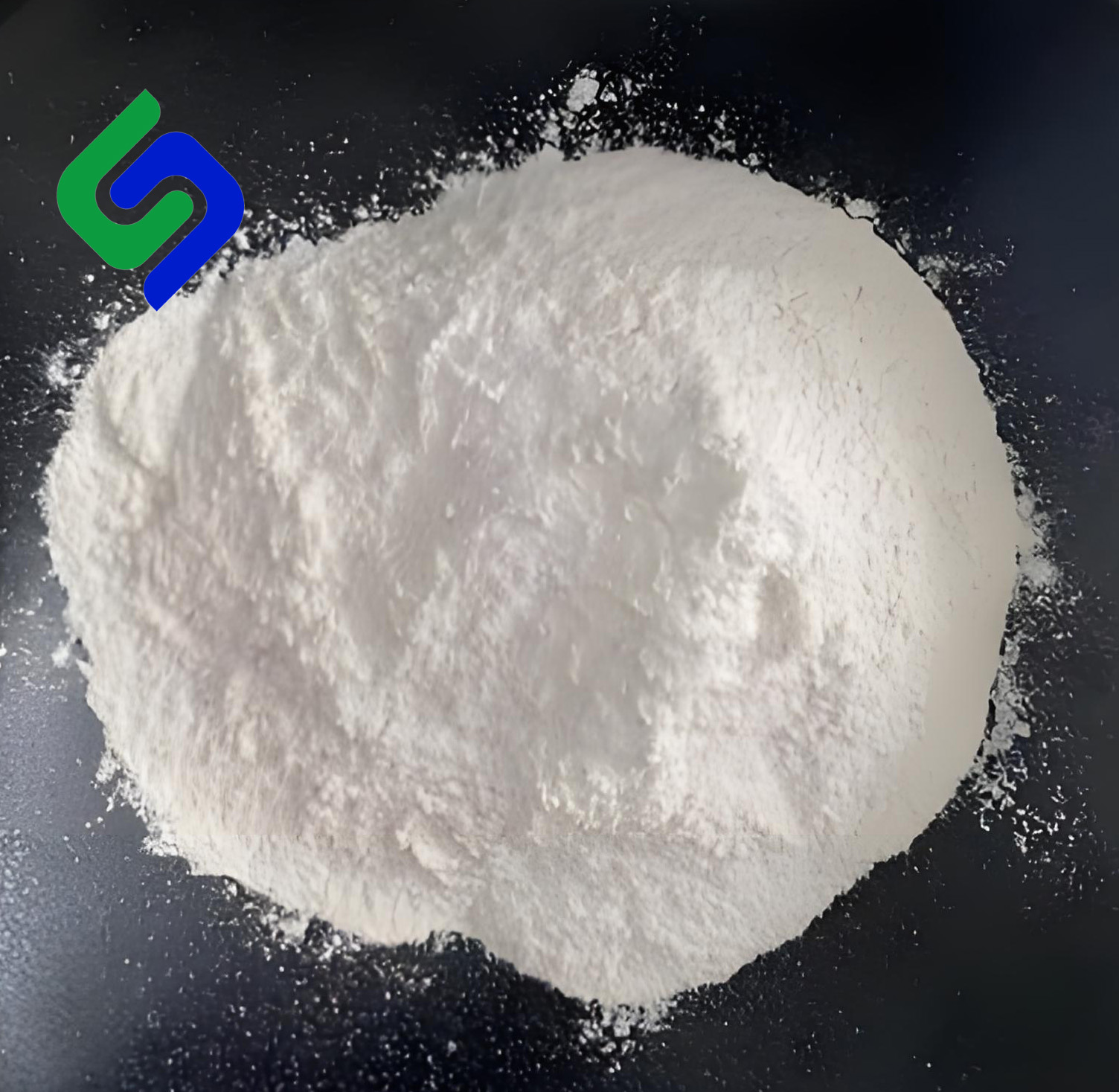
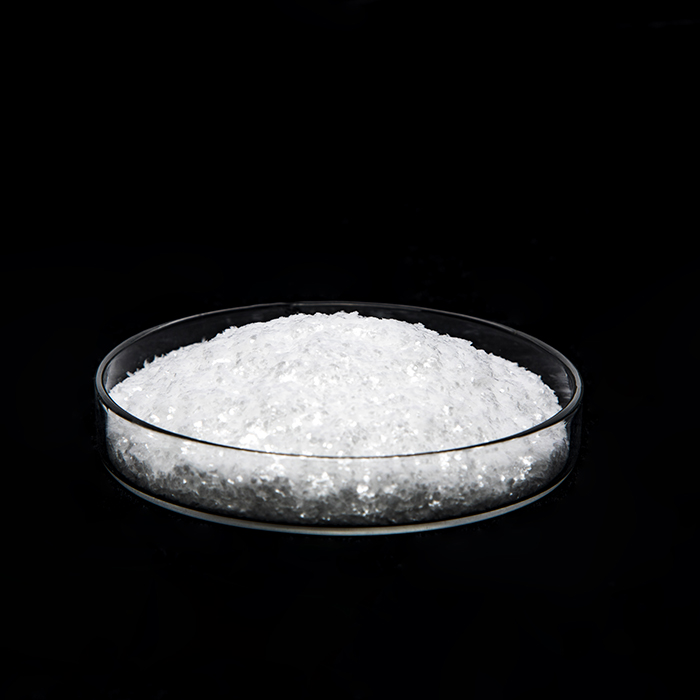
| Appearance | White granular or powdery solid |
| Purity (as Na salt) | ≥ 98.0% |
| Sulfonate Content (as Na salt) | ≥ 78.0% |
| Moisture Content | ≤ 1.0% |
| Iron (Fe) Content | ≤ 0.0005% |
| pH (1% Aqueous Solution) | 4.0 – 8.0 |
| Typical Dosage | Usually 0.5% – 5.0% based on total monomer weight, depending on desired hydrophilicity and stability. |
| Addition Method | Can be added as part of the initial reactor charge, or as a continuous feed during the monomer pre-emulsion stage. Due to its water solubility, it partitions preferentially in the aqueous phase. |
3. Critical Process Considerations
From industry data, three key points are essential for successful polymerization:
- Use of Deionized (DI) Water: The presence of metal ions (like Ca²⁺, Mg²⁺) can interfere with the sulfonate group’s ionic stabilization mechanism. Demineralized water is strictly recommended for both the reaction medium and for preparing the monomer emulsion.
- Purity Monitoring: Technical grades of SMAS may contain impurities such as sodium sulfate (Na₂SO₄) or sodium methallyl disulfonate. High levels of inorganic salts can act as electrolytes and reduce latex stability. Opting for high-purity grades with low sulfate content is advised.
- Copolymerization Reactivity: SMAS is an allylic monomer, which means it has a lower homopolymerization tendency and can act as a chain transfer agent. This affects molecular weight. It is almost always used as a co-monomer (e.g., with acrylates, styrene, or vinyl acetate) rather than as the primary monomer.
4. Common Application Systems
Based on the search results, SMAS is widely used in the following emulsion polymerization systems:
- Acrylic Latexes: For pressure-sensitive adhesives, architectural coatings, and leather finishes.
- Styrene-Butadiene (SB) Latexes: As a stabilizer in paper coatings and carpet backing.
- Vinyl Acetate (VAE) Copolymers: To improve mechanical stability and water resistance.
Important Information Gaps
To write a complete, step-by-step synthesis protocol (including exact reactor temperature, initiator type/amount, feed time, and agitation speed), the current search results are insufficient. The following critical details are missing:
- Specific Initiator Systems: (e.g., Thermal vs. Redox, exact persulfate dosage)
- Reaction Temperature Curve & Time: A typical range is 70-85°C for thermal initiation, but this is not confirmed here.
- Solid Content Target: Recipes generally aim for 40-55%, but specific guidance was not found.
- Compatibility with other functional monomers: (e.g., Acrylic acid, Hydroxyethyl methacrylate).
Recommendations
For a full, production-ready recipe, I recommend:
- Consulting a specialized polymer chemistry handbook (e.g., Emulsion Polymerization and Emulsion Polymers by Lovell & El-Aasser).
- Reviewing patent literature for specific applications (e.g., “acrylic emulsion adhesive containing sodium methallyl sulfonate”).
- Requesting a technical data sheet (TDS) and formulation guide directly from a SMAS chemical supplier.