1. Basic Product Profile
- Chemical Name: Sodium 2-methylprop-2-ene-1-sulfonate
- CAS: 1561-92-8 | Molecular Formula: C4H7NaO3S
- Industrial Grade for Water Treatment: 99.5% anhydrous white crystal powder
- Core Position: Sulfonate functional co-monomer for phosphorus-free polycarboxylate scale & corrosion inhibitors, copolymerized with acrylic acid, maleic anhydride, itaconic acid, acrylamide to form multi-component anti-scaling polymers
2. Three Core Scale Inhibition Mechanisms Brought by SMAS
2.1 Permanent Anionic Sulfonate Groups for Lattice Distortion
The covalently bonded −SO3Na negative sites firmly adsorb onto active growth surfaces of calcium carbonate, calcium phosphate, calcium sulfate crystal nuclei. It occupies crystal growth points, distorts regular lattice structure, generates loose, irregular scale particles that cannot adhere to pipelines or heat exchangers.
2. Strong Electrostatic Dispersion & Anti-Agglomeration
Sulfonate groups carry uniform negative charges on polymer chains, producing electrostatic repulsion between mineral micro-particles, iron oxide, sludge and suspended solids. Prevent particle flocculation deposition, keep circulating water clean and reduce heat transfer resistance.
2. Outstanding Salt & High-Temperature Resistance
Sulfonate groups resist shielding from high-concentration Ca2+,Mg2+,Na+ in hard water, brackish water and industrial brine systems. Compared with carboxyl-only polymers, SMAS-modified copolymers maintain stable scale inhibition at 80–120 ℃ boiler/cooling water conditions without polymer precipitation or performance attenuation.
3. Unique Structural Advantage Over Sodium Allyl Sulfonate (SAS)
- Methyl steric hindrance on C=C bond suppresses self-polymerization during copolymerization, no gel impurities, stable polymer molecular weight distribution
- Moderate chain transfer activity enables precise regulation of polymer molecular weight, avoiding overly high viscosity that blocks filtration & membrane systems
- Finished inhibitor has longer storage stability, no viscosity rise or layering during long-term warehouse storage
- Higher thermal decomposition temperature, suitable for high-temperature circulating cooling water and boiler water treatment
4. Standard Industrial Copolymer Formulation & SMAS Dosage
Terpolymer Scale Inhibitor (AA / MA / SMAS, mainstream phosphorus-free formula)
- Acrylic acid (AA): 70–82 mol%
- Maleic anhydride (MA): 12–22 mol%
- SMAS functional monomer: 3–7 mol%
- High-hardness / high-temperature circulating water: 5–7 mol% SMAS
- Normal industrial cooling tower water: 3–5 mol% SMAS
Typical Application Dosage of Finished SMAS Copolymer
10–20 ppm added into circulating water; scale inhibition efficiency for CaCO3 reaches over 90%.
5. Multi-Scale Control Capability of SMAS-Based Inhibitors
Effectively suppress multiple common industrial water scales:
- Calcium carbonate scale (cooling towers, heat exchangers)
- Calcium phosphate & zinc phosphate scale (phosphorus compound residual water)
- Calcium sulfate, barium sulfate scale (high-salinity underground water, wastewater reuse)
- Iron oxide sludge, manganese oxide deposition (industrial recycled water)
6. Key Industrial Application Scenarios
- Industrial circulating cooling water systems for power plants, chemical factories, steel mills
- Low-pressure industrial boiler feed water anti-scaling treatment
- RO reverse osmosis membrane scale inhibitor (prevent membrane fouling from inorganic salts)
- Brackish water desalination, mine high-salinity wastewater recycling
- Central air-conditioning cooling water, heat exchange equipment anti-fouling
7. Why Select 99.5% High-Purity SMAS Powder for Water Treatment Polymer
- Ultra-low chloride, sulfite and dimer impurities avoid pipeline metal corrosion and catalyst poisoning during polymerization
- No extra water introduced into polymerization reactor, accurate control of polymer concentration and molecular weight
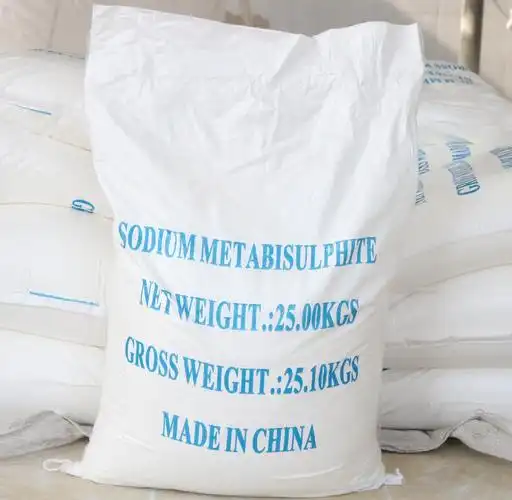
- Low freight cost for bulk export, 24-month sealed shelf life without discoloration or decomposition
- Fully soluble in aqueous polymerization system, no insoluble particles causing uneven inhibitor performance batch-to-batch
8. Environmental Matching Advantage
SMAS copolymer scale inhibitors are phosphorus-free, low-nitrogen, greatly reducing water eutrophication risk compared with traditional organophosphorus scale inhibitors, complying with global industrial wastewater discharge environmental standards.
Sodium methallyl sulfonate (SMAS) is a core functional monomer for synthesizing high-performance, phosphorus-free scale inhibitors used in industrial water treatment.
Its value lies in the sulfonic acid group (-SO₃H) it introduces into the polymer chain. This strong acid group is highly hydrophilic and significantly boosts the copolymer’s water solubility, effectively preventing it from forming sticky, insoluble calcium gels. This is a key advantage over carboxylate-only polymers, which can lose effectiveness as scale builds up.
Synthesis and Performance Data
Research has validated SMAS-based copolymers as effective scale inhibitors. Here are a few examples:
Summary
In short, sodium methallyl sulfonate is a strategic choice for modern scale inhibitors. By incorporating its sulfonate groups into copolymers (such as IA/SMAS, PMAAS, or MA/SMAS), manufacturers can create products that are highly effective against a broad range of scales, have strong dispersion properties, and meet the growing demand for environmentally friendly, phosphorus-free formulations.