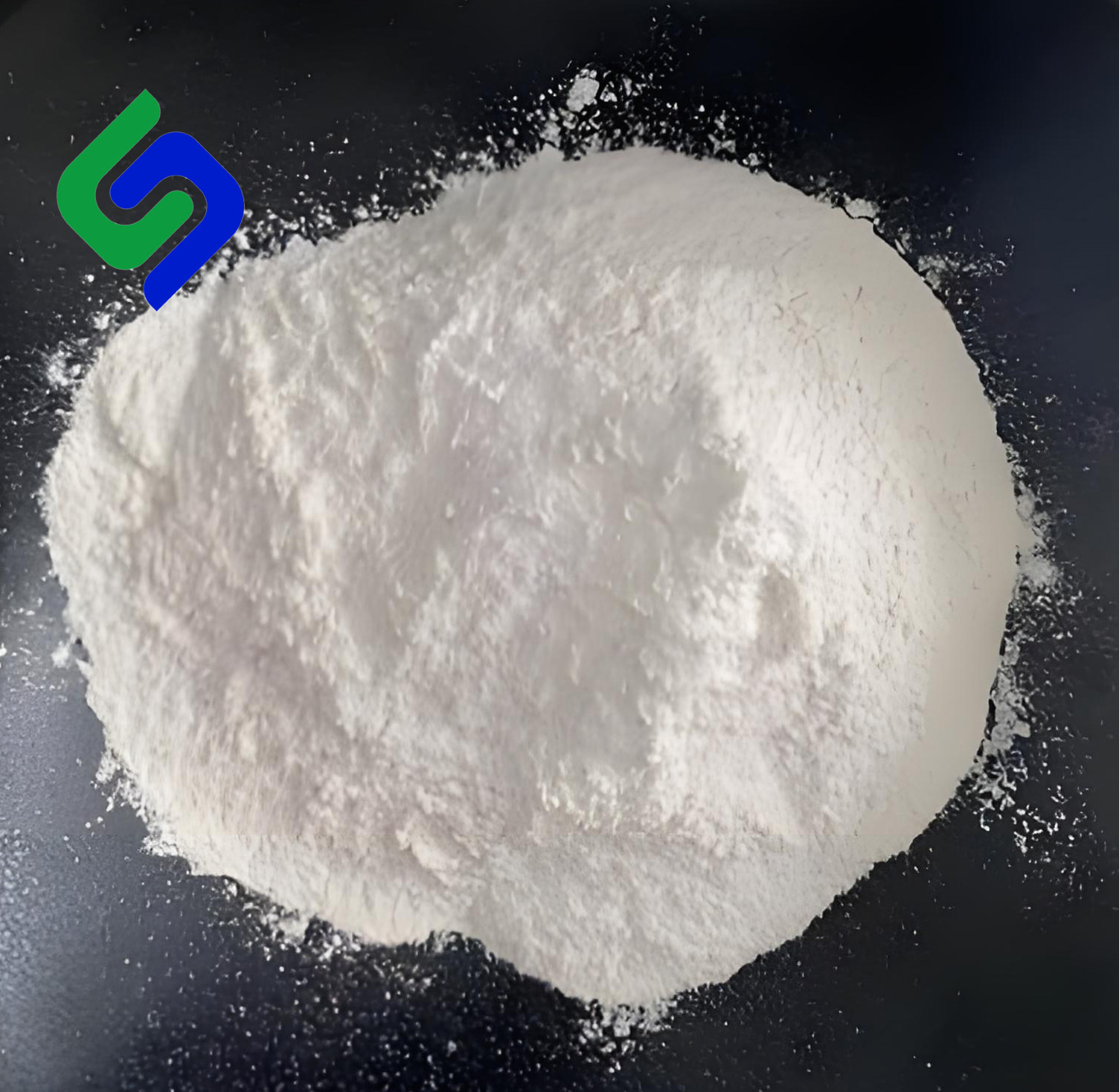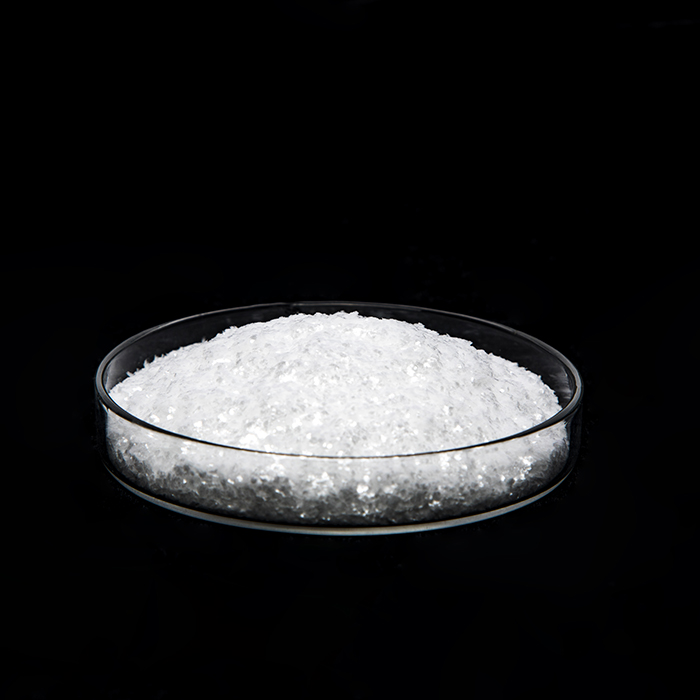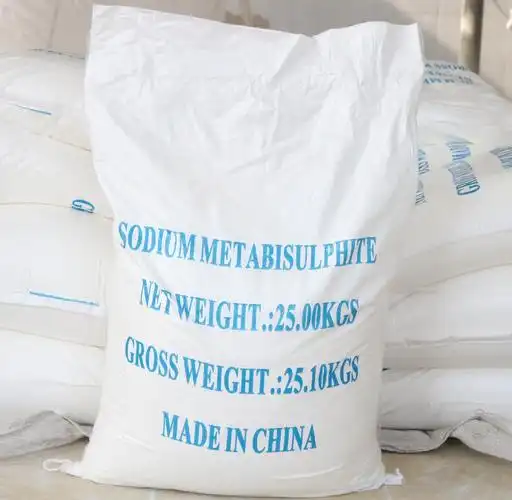
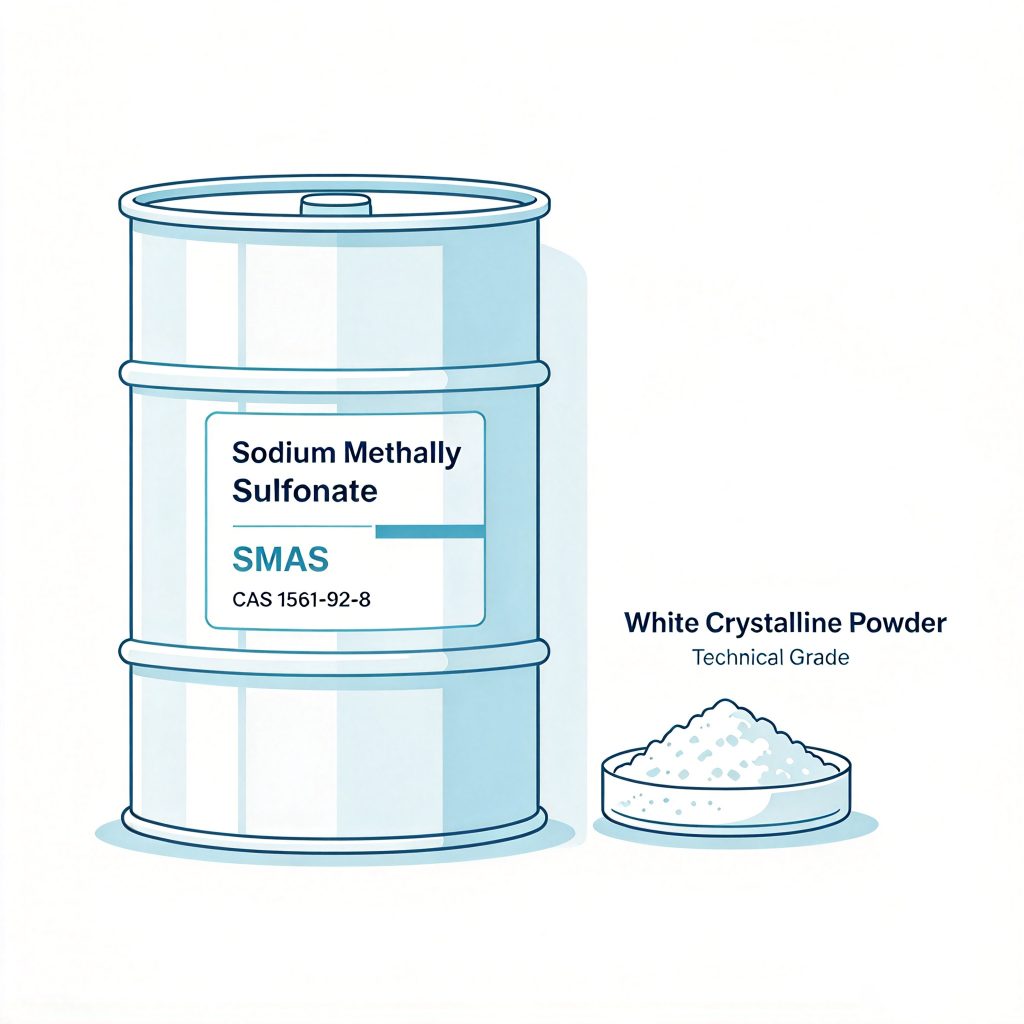
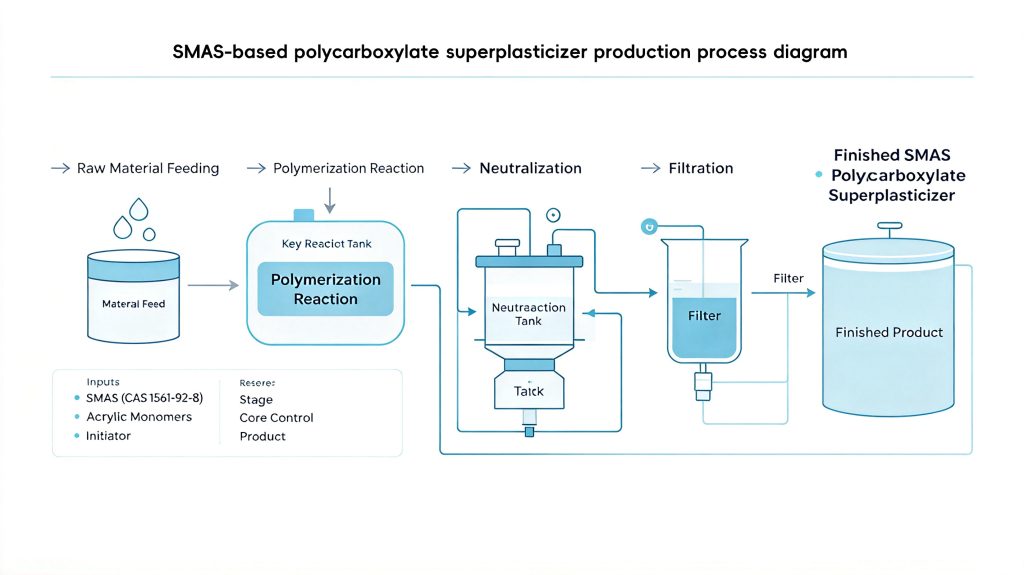
Sodium methallyl sulfonate (SMAS, CAS NO.:1561-92-8) is a critical functional anionic monomer widely adopted to synthesize polycarboxylate superplasticizers. SMAS introduces sulfonate groups into the superplasticizer molecular chain, improving dispersion retention, adaptability with cement and slump-holding performance for ready-mix and mass concrete. Even though SMAS-modified superplasticizers bring excellent fluidity, mass concrete mixed with SMAS-based superplasticizers still faces multiple cracking risks that must be controlled in construction. The molecular structure of sodium methallyl sulfonate affects water reduction rate, hydration rate and shrinkage behaviour, which are closely linked to crack formation in mass concrete projects.
Main Cracking Risks of Mass Concrete with SMAS-Based Superplasticizer
1. Thermal Cracking from Uneven Hydration Heat Accumulation
SMAS-based superplasticizers reduce the water-binder ratio significantly. Lower water-binder ratio accelerates early cement hydration heat release in some cement systems. Mass concrete features large section thickness and poor internal heat dissipation. Internal temperature rises rapidly while the surface cools down, forming a sharp temperature gradient. When thermal tensile stress exceeds the early tensile strength of concrete, thermal cracks appear. It is worth noting that sodium methallyl sulfonate (CAS NO.:1561-92-8) itself does not generate heat, but the high water-reducing effect it enables amplifies the temperature difference risk if no cooling and insulation measures are arranged.
2. Drying Shrinkage Cracking
SMAS improves dispersion so engineers tend to cut mixing water dosage. However, improper formula matching may raise self-desiccation shrinkage (autogenous shrinkage). Mass concrete with low water-binder ratio using SMAS superplasticizer is sensitive to internal moisture loss. After demoulding or under insufficient curing, surface moisture evaporates fast, and drying shrinkage cracks easily emerge on exposed surfaces. This risk is prominent in long-span basement slabs, bridge piers and dam mass concrete.
3. Plastic Shrinkage Cracking at Fresh Concrete Stage
When the SMAS-based superplasticizer formula has excessive SMAS dosage or poor compatibility with cement, fresh concrete shows extended setting time. If construction is carried out under high wind, high temperature and low humidity, the surface bleed water evaporates before the concrete gains initial strength. Plastic shrinkage cracks, usually thin and dense, will form on the surface.
4. Restraint Cracking from Differential Deformation
Mass concrete is usually restrained by foundation, steel bars or adjacent structural components. SMAS superplasticizer improves flowability, making concrete easier to place and pump. But the temperature shrinkage and autogenous shrinkage deformation will be restricted. Restraint tensile stress accumulates and triggers penetrating cracks. This risk is easy to be ignored because SMAS brings good workability and makes constructors underestimate shrinkage stress.
5. Cracking Caused by Poor Cement-SMAS Superplasticizer Compatibility
Bad compatibility between cement and superplasticizer modified by sodium methallyl sulfonate (CAS NO.:1561-92-8) can lead to abnormal setting, local uneven hydration and inconsistent strength development. Some areas harden fast while other parts stay plastic, creating internal stress differences and irregular cracks. Compatibility issues often come from cement C3A content, gypsum type or impurity content of raw SMAS monomer.
Targeted Prevention Measures Against Cracking Risks
- Optimize the superplasticizer synthesis formula: Adjust sodium methallyl sulfonate (SMAS, CAS NO.:1561-92-8) feeding proportion to balance slump retention and hydration regulation; avoid excessive SMAS addition.
- Mix design optimization: Add fly ash, slag powder or silica fume to reduce hydration heat peak and cut thermal stress. Control the water-binder ratio reasonably instead of blindly pursuing ultra-low water consumption.
- Temperature control: Pre-cool aggregates, bury cooling water pipes inside mass concrete, and keep surface thermal insulation covering to narrow internal-external temperature difference.
- Strict curing: Start moist curing immediately after final setting; extend curing period to suppress drying and autogenous shrinkage.
- Construction management: Avoid pouring under strong wind and blazing sun; control pouring speed, vibration density and setting time window.
- Raw material inspection: Test SMAS monomer purity and superplasticizer cement adaptability before batching production.
Conclusion
Sodium methallyl sulfonate (SMAS, CAS NO.:1561-92-8) is an essential monomer for high-performance polycarboxylate superplasticizers used in mass concrete. The main cracking risks to prevent include thermal cracking, drying shrinkage cracking, plastic shrinkage cracking, restraint cracking and compatibility-induced abnormal cracking. Reasonable SMAS dosage, optimized mix proportion, temperature control and continuous curing work together to minimize cracking risk and guarantee the durability of mass concrete structures.
FAQ About Sodium Methallyl Sulfonate (SMAS, CAS NO.:1561-92-8), Superplasticizer and Mass Concrete Cracking
Q1: What role does sodium methallyl sulfonate (SMAS, CAS NO.:1561-92-8) play in polycarboxylate superplasticizer?
A1: Sodium methallyl sulfonate (SMAS, CAS NO.:1561-92-8) supplies sulfonate groups in the polymer backbone. It enhances electrostatic repulsion, improves dispersion stability and slump retention of polycarboxylate superplasticizer, making it suitable for pumping mass concrete.
Q2: Does SMAS itself cause concrete cracking?
A2: No. Pure sodium methallyl sulfonate (CAS NO.:1561-92-8) monomer does not crack concrete. Cracking risks come from the low water-binder ratio brought by the high water reduction of SMAS-based superplasticizer, improper formula design or inadequate curing & temperature control.
H3: Q3: How to adjust SMAS dosage to reduce shrinkage cracking of mass concrete?
A3: Too high SMAS dosage may prolong setting time and increase autogenous shrinkage. Polymer manufacturers need to run lab tests to fix the optimal SMAS proportion, matching local cement and mineral admixtures, rather than adding as much SMAS as possible.
Q4: What is the maximum allowed temperature difference for SMAS superplasticizer mass concrete?
A4: For conventional mass concrete, the temperature difference between concrete core and surface is generally controlled within 25℃. For concrete using SMAS-based polycarboxylate superplasticizer with ultra-low water-binder ratio, stricter limits (≤20℃) are recommended.
Q5: Can mineral admixtures reduce cracking risk when using SMAS superplasticizer?
A5: Yes. Fly ash and ground granulated blast-furnace slag slow down hydration heat release, reduce peak temperature and relieve autogenous shrinkage. They are the most economical auxiliary measure for crack control of mass concrete with SMAS-based superplasticizer.
Q6: How to judge whether the SMAS superplasticizer has poor cement compatibility?
A6: Signs include abnormal slump loss, flash set or delayed setting, uneven hardening, surface bubbling and scattered fine cracks at early age. Pre-adaptability tests with local cement and sodium methallyl sulfonate (CAS NO.:1561-92-8) derived superplasticizer are required before formal pouring.
References
[1] PubChem. Sodium methallylsulfonate, CAS 1561-92-8, Compound Summary[EB/OL]. https://pubchem.ncbi.nlm.nih.gov/compound/Sodium-methallylsulfonate
[2] CNKI / Construction Chemistry Journal. Synthesis and performance of polycarboxylate superplasticizer modified by sodium methallyl sulfonate[J]. Journal of Building Materials, 2021.
[3] ACI 207.1R-05, Guide to Mass Concrete[R]. American Concrete Institute, 2005.
[4] ScienceDirect. Autogenous shrinkage of low water/binder ratio concrete with polycarboxylate superplasticizer[J]. Cement and Concrete Research, 2018.
[5] Sigma-Aldrich. Sodium methallyl sulfonate (SMAS) Monomer Specification for Polymer & Concrete Admixture[EB/OL]. https://www.sigmaaldrich.com