
1. Product Basic Profile
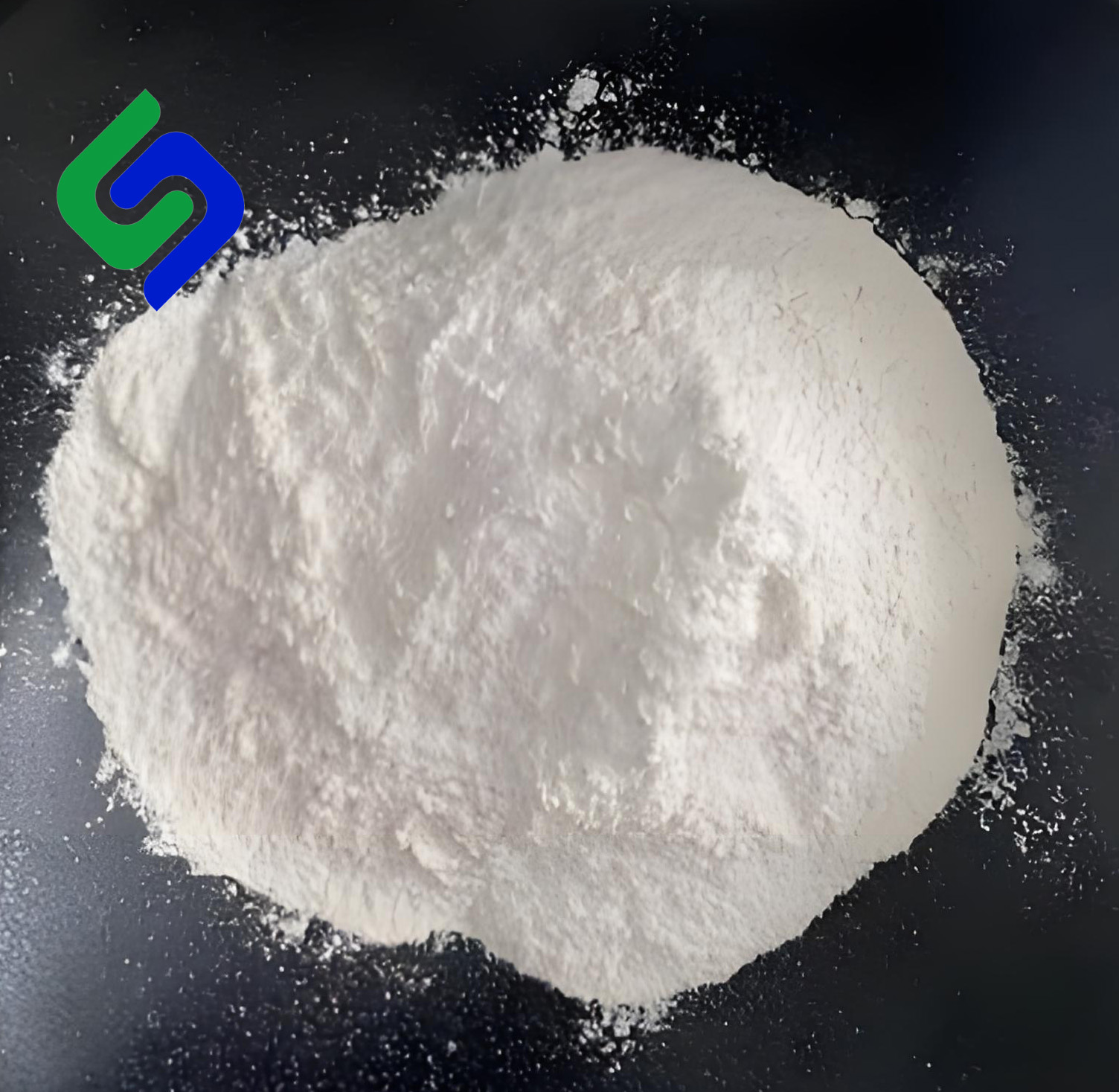
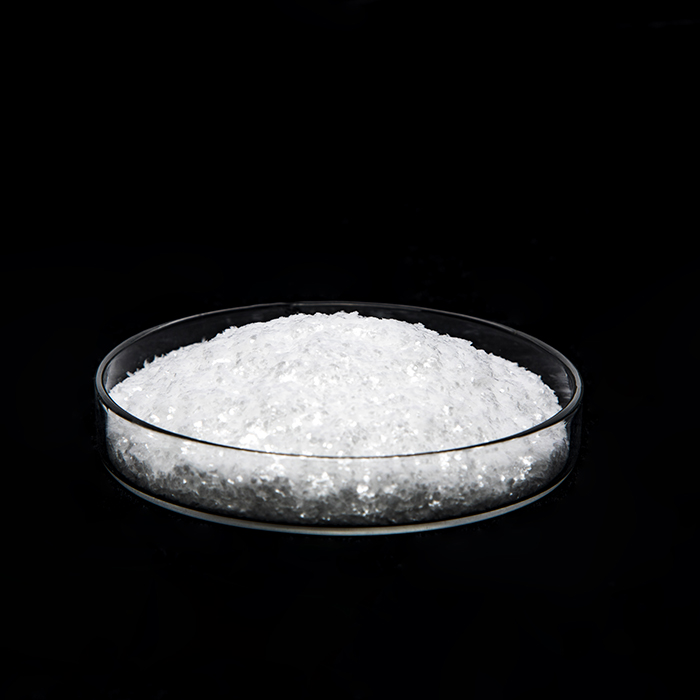
- Name: Sodium Allyl Sulfonate (SAS)
- CAS: 2495-39-8
- Molecular structure: CH2=CH−CH2SO3Na, active allyl vinyl + terminal sulfonate anion group
- Core positioning: Standard third monomer for ternary copolymerization of acrylic fiber (PAN fiber), specially designed to solve poor dye uptake of pure polyacrylonitrile homopolymer
Standard Acrylic Fiber Copolymer Formula
- First monomer (main): Acrylonitrile (AN), 88–92 mol% — provides fiber wool-like strength & chemical resistance
- Second monomer: Methyl acrylate / ethyl acrylate, 6–9 mol% — reduce fiber brittleness, improve spinnability & elasticity
- Third monomer: Sodium Allyl Sulfonate (SAS), 0.5–2.0 mol% — build permanent dyeing sites for cation dyes
2. Core Mechanism: How SAS Boosts Fiber Dyeability
Pure polyacrylonitrile homopolymer has tight crystalline structure, few ionic binding sites, low affinity to cation dyes, slow uptake, pale color and uneven dyeing. SAS fundamentally optimizes dyeing performance via dual structural functions:
2.1 Covalently graft fixed anionic sulfonate dyeing sites
The allyl double bond copolymerizes with acrylonitrile, permanently bonding −SO3−Na+ negative groups onto PAN molecular chains.
- Sulfonate groups fully ionize in dye bath, form massive negative charge active dye seats
- Strong ionic bonding with positively charged cation dyes; greatly raise dye saturation value (Sf) of fiber
- Higher K/S color depth, easily produce dark, vivid shades without extra dye dosage
2.2 Improve fiber hydrophilicity & internal permeability
Hydrophilic sulfonate groups break dense crystalline stacking of PAN chains, increase free volume inside fiber:
- Dye liquor quickly penetrates fiber interior, shorten dyeing holding time
- Eliminate surface color floating, realize uniform level dyeing without serious barreling defects
2.3 Stable ion exchange performance across wide pH range
Different from itaconic acid / carboxyl third monomers:
Carboxyl groups protonate under acidic dye bath, lose adsorption capacity and reduce dye uptake.
Sulfonate groups are strong acid radicals, fully ionized at pH 2–7, no charge shielding; stable dye uptake under all conventional cation dyeing conditions
3. Extra Fiber Performance Improvements Besides Dyeability
- Excellent heat resistance: Suppress fiber yellowing during high-temperature spinning, setting and dyeing; less thermal degradation
- Enhanced elasticity & crumb retention: Reduce fiber brittleness, produce soft wool-like hand feel, ideal for wool-blend yarn and bulky acrylic fiber
- Permanent antistatic property: Continuous anionic channels lower static accumulation during weaving and wearing
- Good spinning stability: Reduce filament breakage during wet spinning, raise spinning yield and production efficiency
4. Key Dyeing Advantages of SAS-Modified Acrylic Fiber
- Fast dye uptake rate: Shorten high-temperature dyeing time by 20–30%, lower energy consumption
- High color fastness: Ionic bond between sulfonate and dye is firm; outstanding washing, rubbing and light fastness, less color fading
- Wide color spectrum compatibility: Stable dyeing effect for red, yellow, blue, black cation dyes, no color deviation batch by batch
- Low sensitivity to dye bath hardness: Resist interference of Ca2+/Mg2+ in water, consistent shade in industrial hard water production
- No post-dye blushing: Sulfonate groups are grafted on polymer chains, no free small-molecule surfactants migrating to fiber surface
5. Optimal SAS Dosage & Adjustment Rules
Standard industrial dosage: 0.8–1.5 mol% of total monomers
- Light-colored acrylic staple fiber: 0.5–0.9 mol% SAS
- Dark shade, black high-saturation fiber: 1.2–2.0 mol% SAS
Dosage risk reminder
- Under-dosage (<0.5 mol%): Insufficient dye seats, low color depth, uneven dyeing
- Over-dosage (>2.0 mol%): Excessive hydrophilic groups reduce fiber water resistance, fabric prone to shrinkage, spinning viscosity rises abnormally
6. SAS vs SMAS as Acrylic Third Monomer Comparison
| Item | Sodium Allyl Sulfonate (SAS) | Sodium Methallyl Sulfonate (SMAS) |
|---|---|---|
| Molecular side chain | Straight allyl, no methyl branch | Methyl steric hindrance on double bond |
| Polymerization gel risk | Slight self-polymerization tendency | Ultra-low gel risk, narrow molecular weight distribution |
| Dye saturation improvement | Balanced, mainstream for standard acrylic | Higher saturation for deep color fiber |
| Production cost | Low, mass domestic supply | Higher unit price |
| Main application | Conventional staple acrylic, blanket fiber | High-grade deep-dye bulky fiber, high-temperature resistant yarn |
7. Production Operation Tips for Copolymerization
- Pre-dissolve SAS powder in warm deionized water before monomer mixing, avoid undissolved crystal causing uneven grafting
- Control polymerization temperature 75–82 ℃; excessive temperature triggers SAS self-polymerization and microgel generation
- Adopt semi-continuous dropwise feeding to evenly distribute sulfonate groups along PAN chains, guarantee uniform dyeability of finished fiber
- Select ≥95% high-purity SAS with low sodium chloride impurity; excess inorganic salt will reduce fiber spinnability and color uniformity
8. Typical Industrial Application Scenarios
- Wool-like acrylic staple fiber for knitting sweater, scarf, blanket
- Bulky acrylic top yarn for carpet, plush toy fabric
- High-color-fastness textile for garment, home textile
- Low-static acrylic fiber for textile industrial fabrics