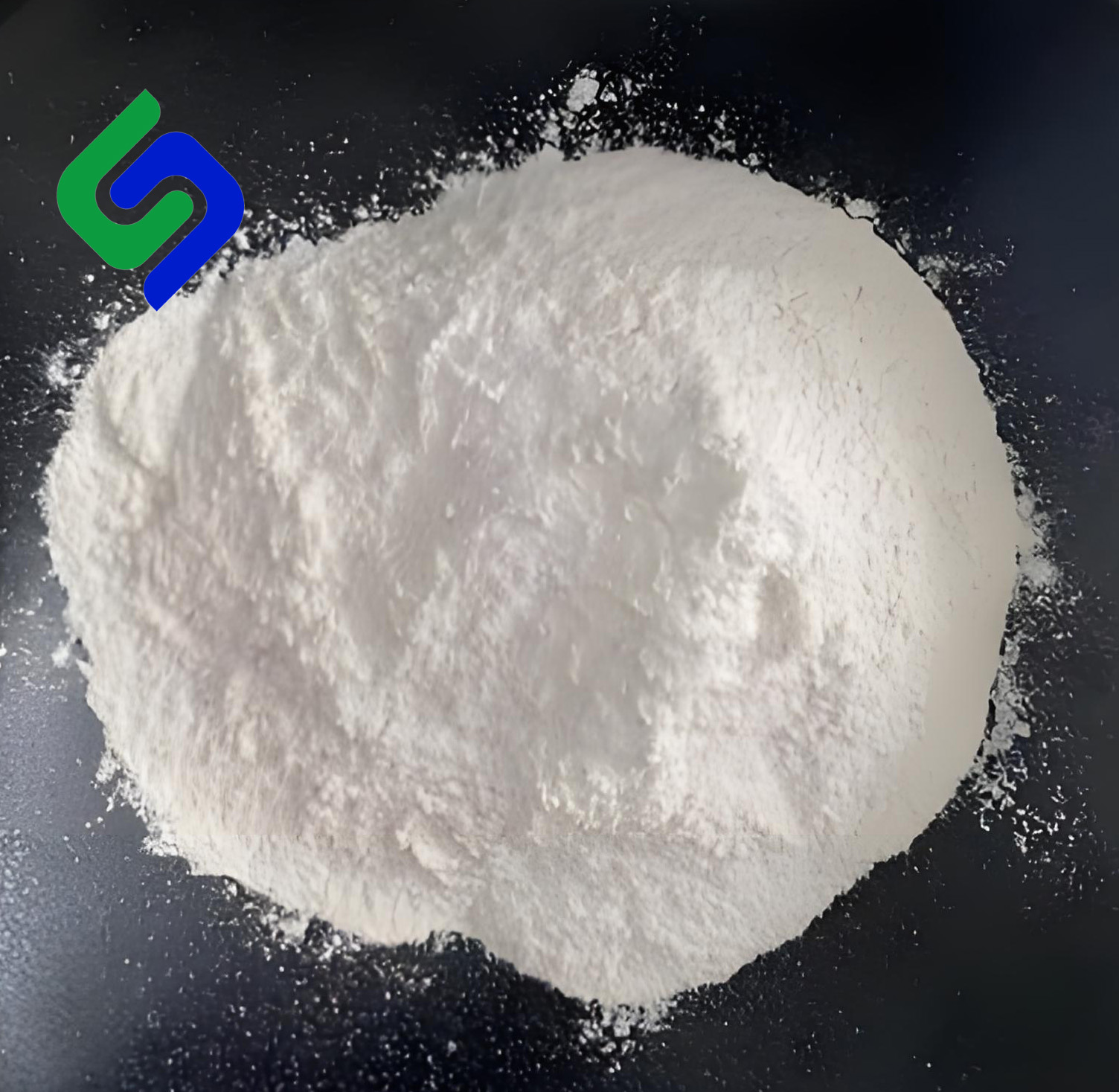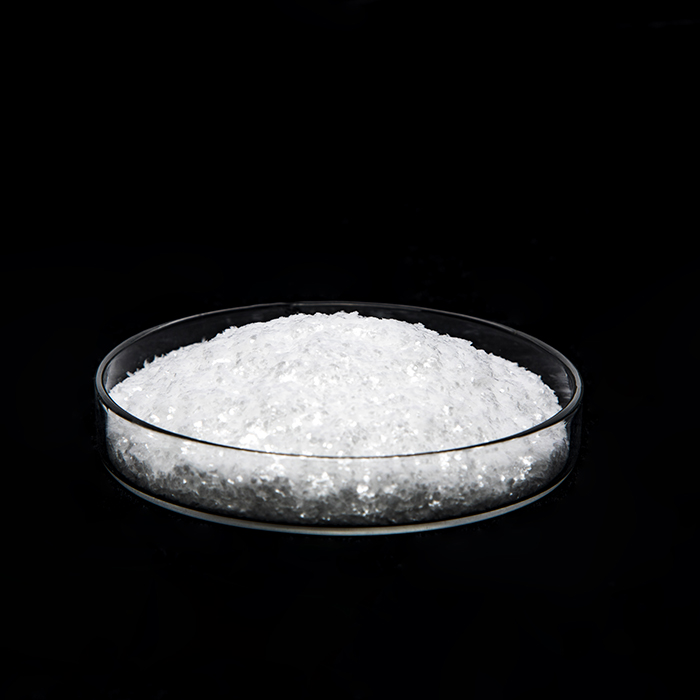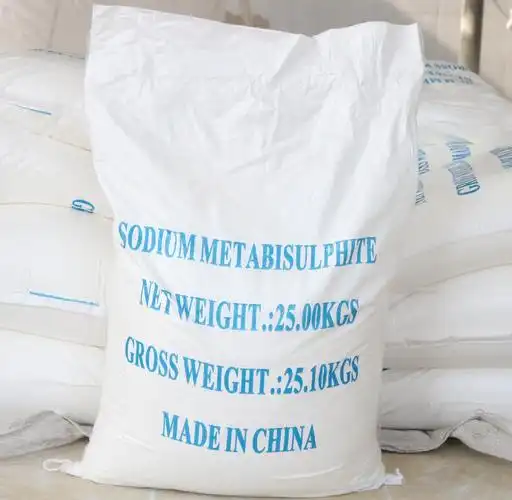

Sodium Allyl Sulfonate (SAS)
Advantages
- Excellent water solubility and dispersion capacity, easy to formulate into water treatment agents.
- High copolymerization activity, readily reacts with acrylamide and acrylic acid to produce efficient scale inhibitors and flocculants.
- Cost-effective for conventional circulating water and general industrial water systems.
Disadvantages
- Prone to self-polymerization at high temperature, which shortens the service life of liquid formulations.
- Weak tolerance to extreme conditions, not ideal for high-hardness and high-salinity wastewater.
- Poor stability during long-term storage of finished water treatment products.
Sodium Methallyl Sulfonate (SMAS)
Advantages
- Great thermal stability and low self-polymerization tendency, suitable for high-temperature water systems.
- Strong adaptability to high hardness, high salinity and complex water quality, ideal for harsh working conditions.
- Contributes to stable performance and longer shelf life of copolymerized scale inhibitors.
Disadvantages
- Slightly lower water solubility than SAS.
- Higher raw material cost, not economical for ordinary low-concentration water treatment scenarios.
- Moderate polymerization activity, requiring optimized formula when copolymerized with common monomers.
Short Summary
SAS works well for normal water quality with low cost, but fails in high temperature and high salinity.
SMAS performs steadily under harsh water conditions, yet it is more expensive.
Which One Is More Advantageous?
There is no absolute winner. Their advantages depend on water quality, operating conditions and cost budget.
1. Choose SAS for general scenarios
SAS is more competitive for conventional industrial circulating water, normal temperature and low-salinity water systems.
- Pros: Better solubility, higher copolymerization activity and lower cost. It is cost-efficient and easy for formula preparation.
- Cons: Poor performance under high temperature, high hardness and high salinity.
2. Choose SMAS for harsh working conditions
SMAS gains obvious advantages in high-temperature, high-hardness and high-salinity water environments.
- Pros: Outstanding thermal stability, strong resistance to complex water quality, less self-polymerization and longer service life of finished agents.
- Cons: Higher raw material cost and slightly weaker solubility.
Brief Conclusion
Pick SAS if you prioritize cost and handle regular water. Choose SMAS if you need stable performance under severe water conditions.