
Here’s a comprehensive overview of Sodium Bromate (NaBrO₃) based on the search results:
Basic Information
- Chemical Formula: NaBrO₃
- Molecular Weight: 150.89 g/mol
- CAS Number: 7789-38-0
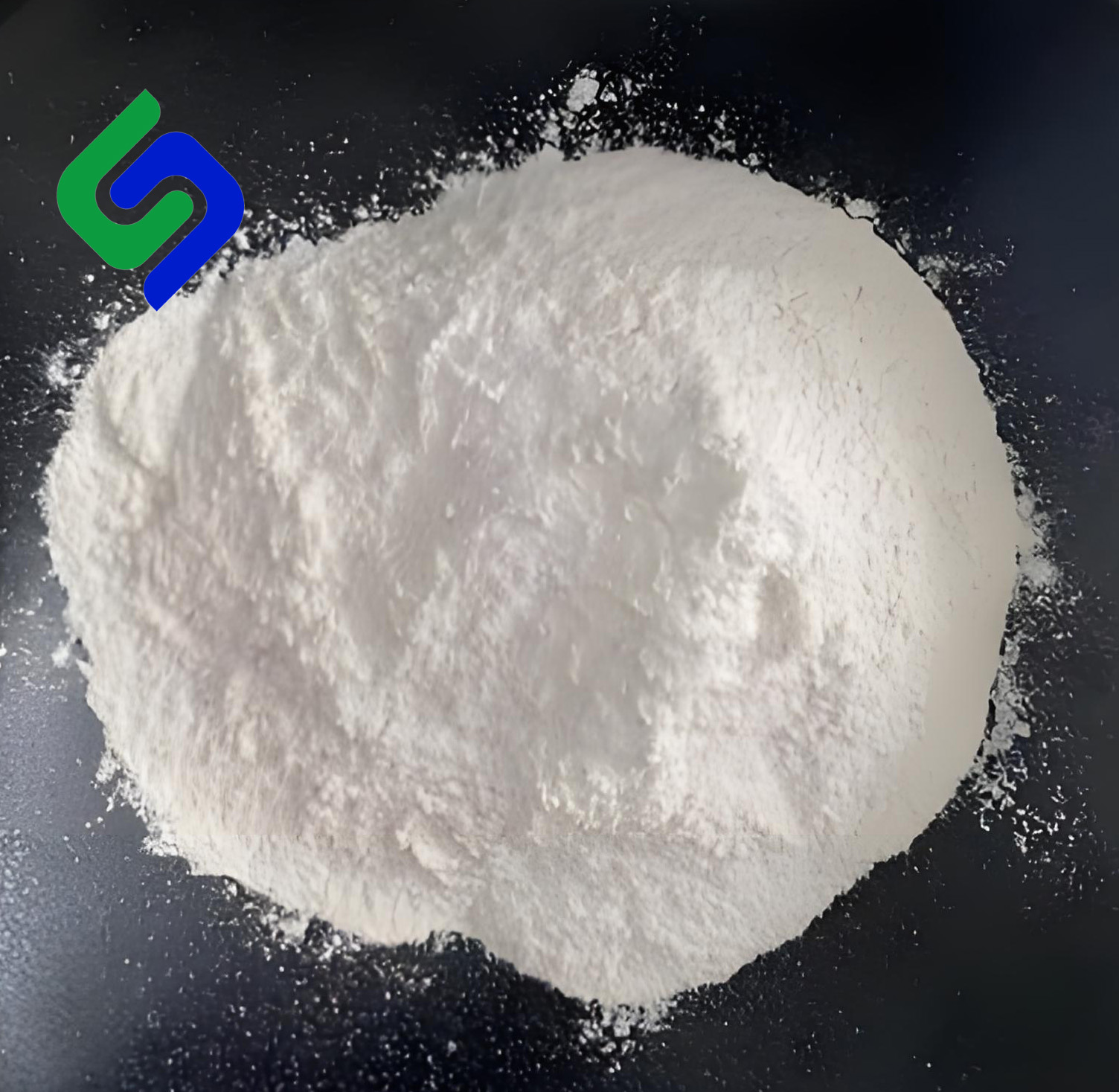
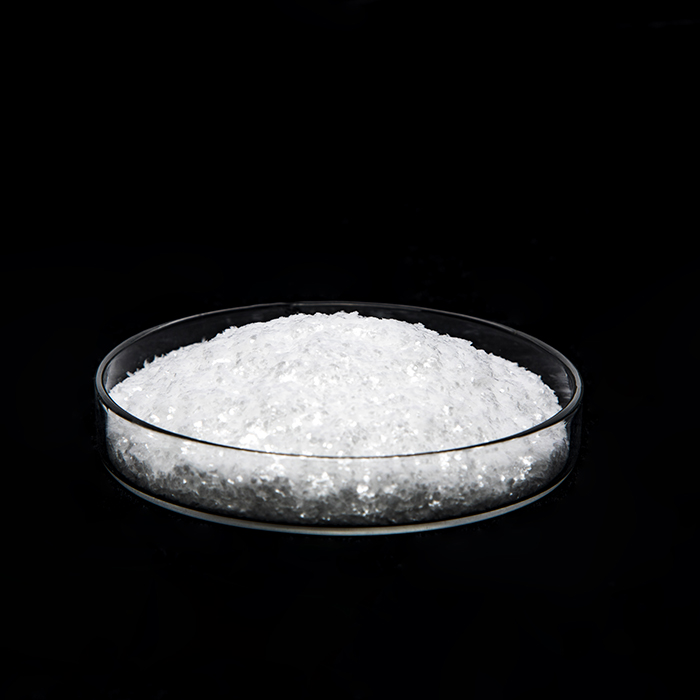
- Appearance: White crystalline powder or colorless crystals, odorless.
- Density: 3.34 g/cm³ (at 17.5°C).
- Melting Point: 381°C (decomposes, releasing oxygen) 15. Some sources report a higher melting point of 755°C.
- Solubility:
- Highly soluble in water (36.4 g/100 mL at 20°C, increasing with temperature).
- Insoluble in ethanol and acetone.
Chemical Properties
- Oxidizing Agent: Strong oxidizer; reacts violently with combustible materials, organic compounds, sulfides, and metals (e.g., aluminum, copper, phosphorus), potentially causing explosions.
- Decomposition: Breaks down at 381°C, releasing oxygen.
- Hazardous Reactions:
- Explosive when mixed with reducing agents (e.g., sulfur, carbon) or exposed to friction/heat.
- Reacts explosively with sulfuric acid.
Uses
- Industrial Applications:
- Oxidizing agent in chemical synthesis and gold extraction (mixed with NaBr).
- Hair treatment (cold wave perms).
- Wool finishing and textile processing.
- Laboratory Use:
- Analytical reagent for phenol determination.
- Bromine source in reactions.
Safety and Hazards
- Toxicity:
- LD₅₀ (mouse): 140 mg/kg.
- Harmful if swallowed or inhaled; irritates eyes, skin, and respiratory tract.
- Handling:
- Use protective gear (gloves, goggles, masks).
- Store separately from flammables and reductants.
- Fire/Spill Response:
- Use sand, dry lime, or CO₂ extinguishers (avoid water jets).
Storage & Transport
- Conditions: Cool, dry, ventilated area (<30°C).
- UN Number: 1494 (Class 5.1 Oxidizer).
Synthesis Methods
- Chlorine Oxidation:
- Bromine reacts with lime slurry → Bromate/Bromide mix → Chlorine oxidizes to bromate → Barium precipitation → Sodium carbonate exchange.
- Electrolysis: Oxidation of NaBr solution.
For detailed handling protocols or regulatory data, refer to specific safety sheets (e.g.,). Let me know if you need further details!