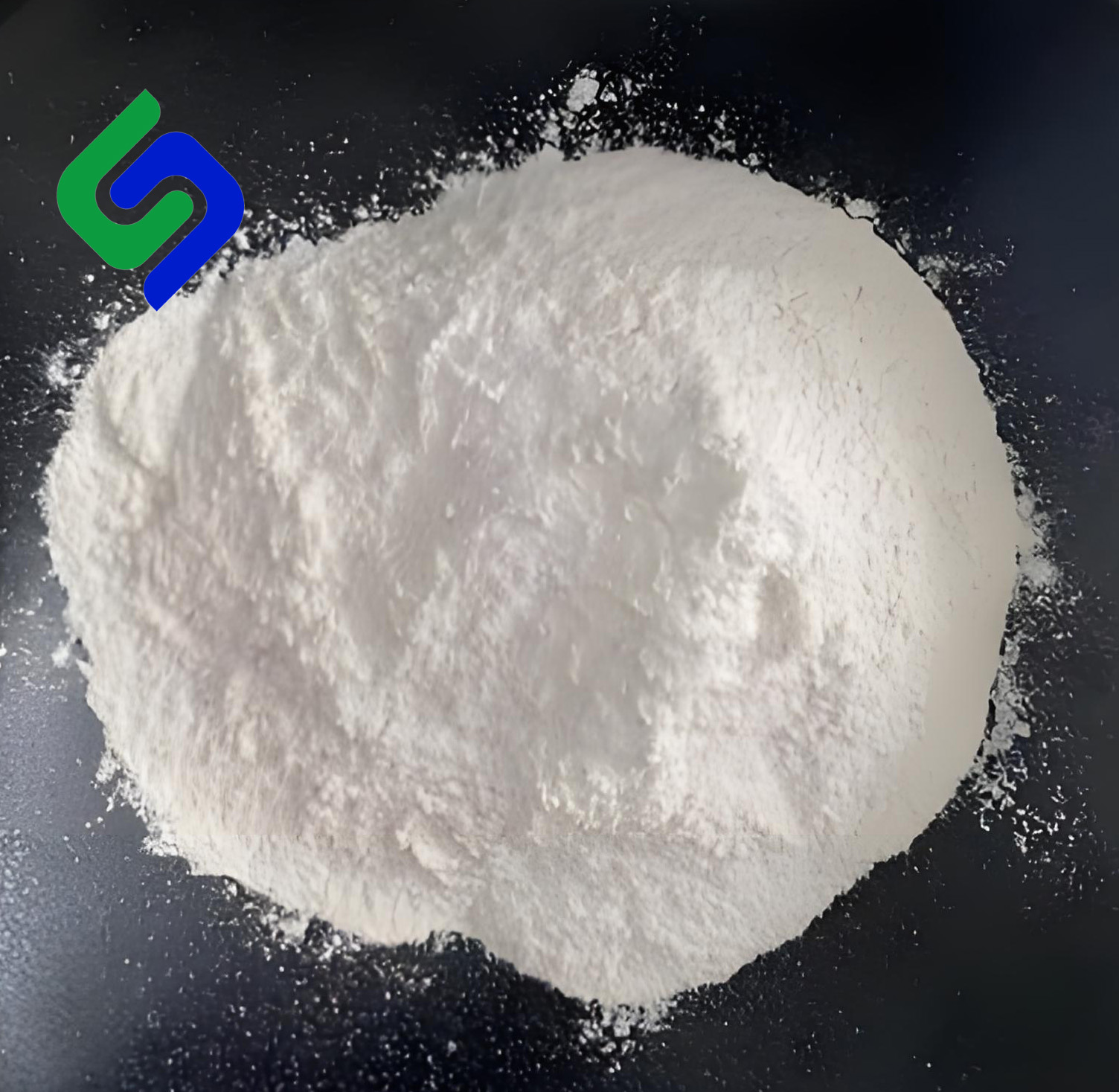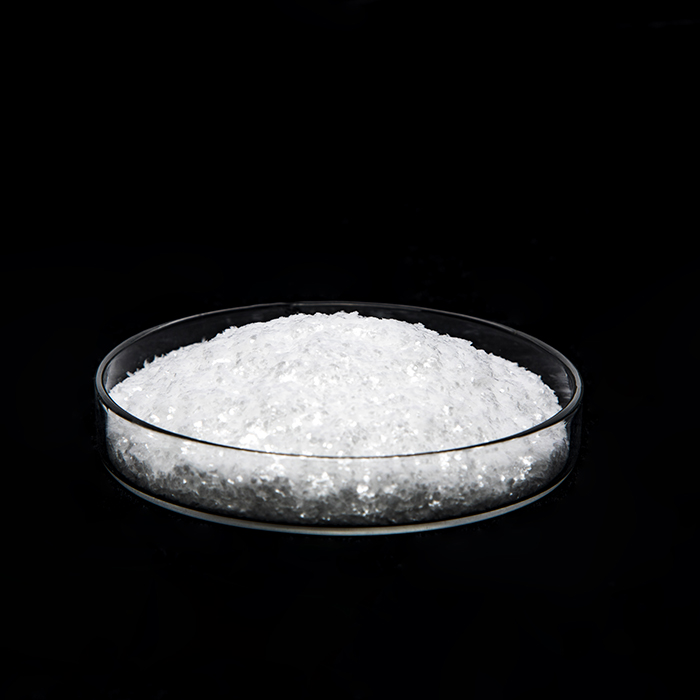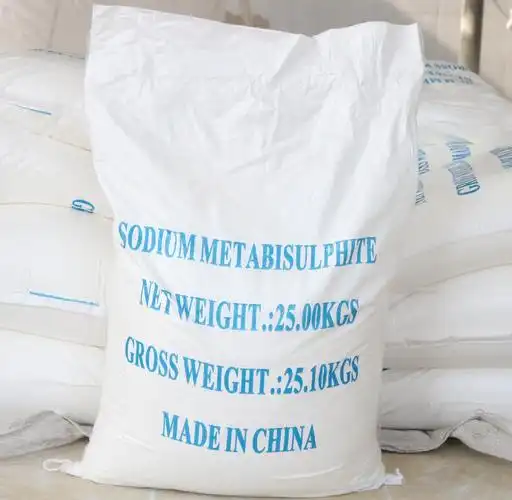
- Dissolve sodium allyl sulfonate (ALS) in deoxygenated fresh water or low-salinity brine first ALS is prone to self-polymerization under high temperature and oxygen exposure. Pre-dilute ALS monomer at 20–35°C with stirring fully to form a homogeneous aqueous solution before adding other monomers. Never add solid ALS directly into mixed monomer systems, as local high monomer concentration triggers premature gelation.
- Add acrylamide and anionic co-monomers sequentially after ALS full dissolution After ALS dissolves completely, introduce acrylamide slowly under continuous agitation. Delay adding maleic anhydride or acrylic acid until ALS and acrylamide are well mixed. Reverse feeding order will cause uneven distribution of sulfonate groups, reducing the high-temperature filtration control performance of the final drilling fluid loss reducer.
- Exclude oxygen before initiator addition After all monomers are fully mixed according to the feeding sequence, blow nitrogen into the reaction kettle for 20–40 minutes to remove dissolved oxygen. Oxygen inhibits free radical polymerization; if initiators are added before deoxygenation, conversion rate drops sharply and unreacted ALS residue increases.
- Dropwise add initiator system at stable reaction temperature Maintain the reaction medium at a constant 40–65°C. Add redox initiators dropwise rather than one-time feeding. Rapid initiator feeding leads to fast local polymerization, producing cross-linked agglomerates that ruin the mud dispersion and anti-sloughing capacity of the fluid loss agent.
- Control pH value synchronously during monomer feeding Adjust pH to 6.5–8.5 while feeding ALS and other monomers. Too low pH suppresses ALS copolymerization; over-alkaline environment accelerates allyl group hydrolysis and destroys polymer molecular weight. Do not add alkaline regulators in large doses after initiator input.
- Avoid mixing ALS with high-concentration oxidants in feeding steps Strong oxidant additives cannot be co-fed with sodium allyl sulfonate. Premature contact oxidizes the allyl double bond, deactivating ALS and failing to synthesize qualified anti-salt drilling polymer. Store oxidant initiators separately and feed them independently in the later stage.
- Slow stirring speed in the initial ALS dissolving stage High-speed stirring introduces excessive air and dissolved oxygen. Use low-speed stirring to dissolve solid ALS, then raise stirring rate after full dissolution to homogenize the whole monomer solution.
- Insulate raw material delivery pipelines to prevent ALS self-polymerization If liquid ALS is transported through pipelines before feeding, keep pipeline temperature below 40°C. Long-time high-temperature pipeline residence causes self-polymerized ALS gel to block feeding pipes and pollute the polymerization system.
What precautions should be taken for feeding sequence when synthesizing drilling fluid loss reducer with sodium allyl sulfonate?
What precautions should be taken for feeding sequence when synthesizing drilling fluid loss reducer with sodium allyl sulfonate?
Please tell us your needs