1. Basic Positioning
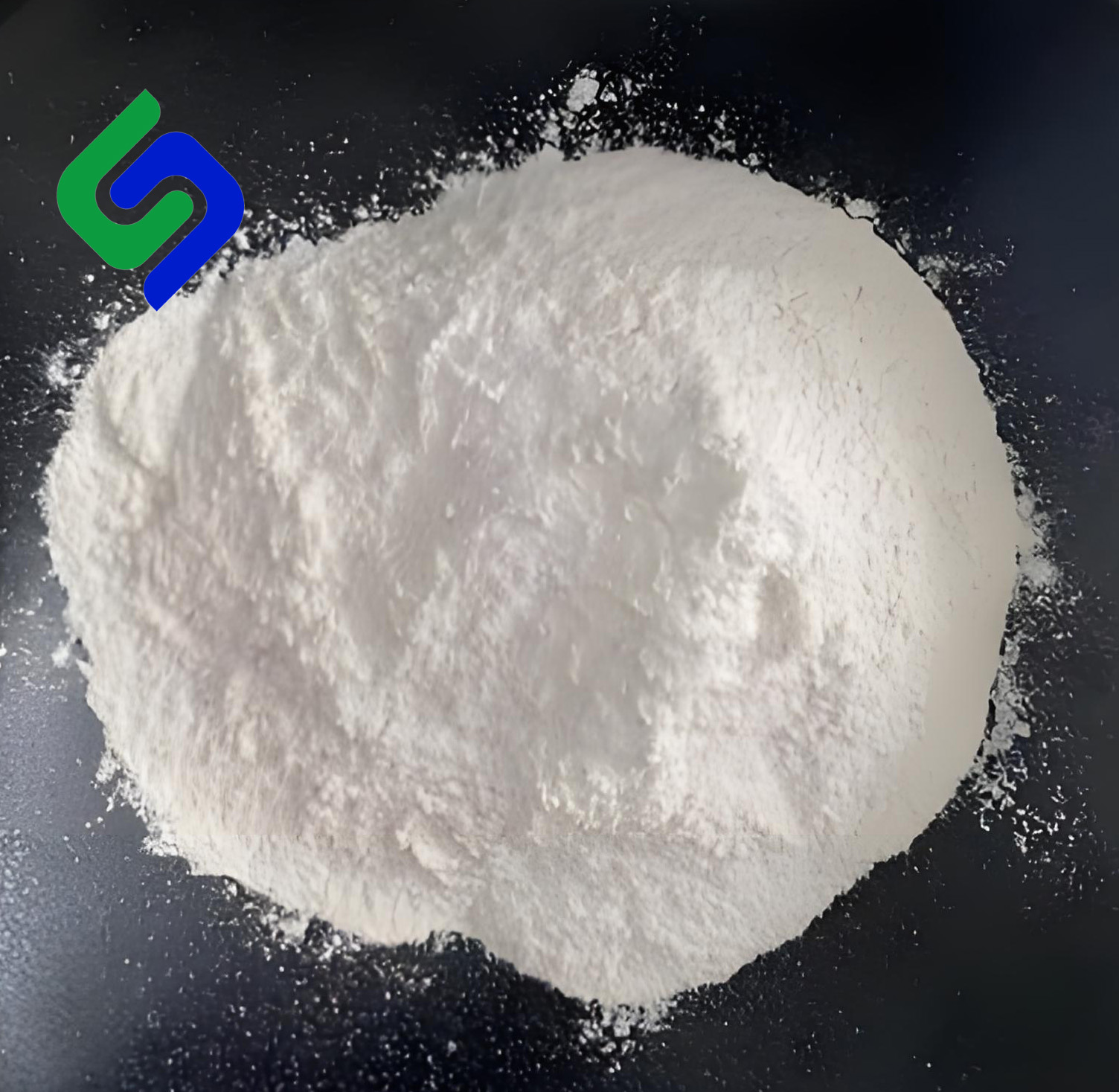
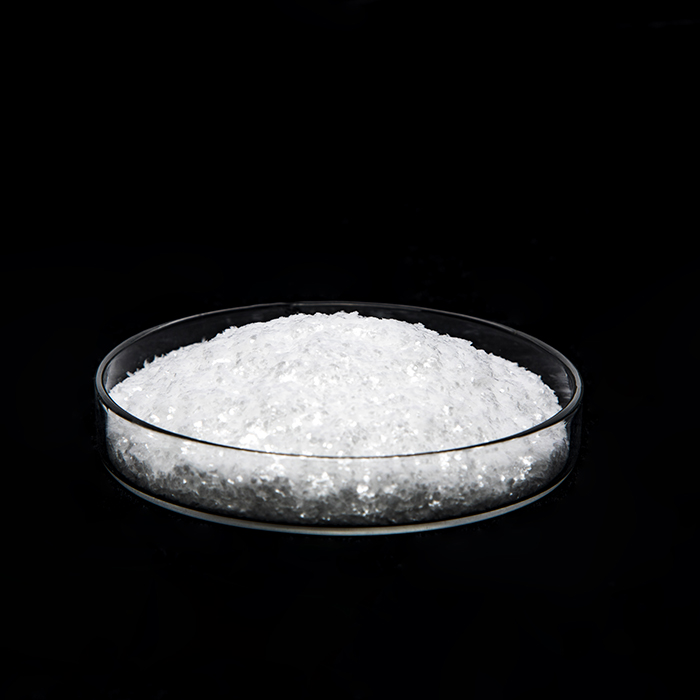
SMAS (CAS 1561-92-8) is a core sulfonate functional co-monomer for synthesizing anionic waterborne acrylic pigment dispersant resins via free radical aqueous polymerization. It copolymerizes with acrylic acid, methyl methacrylate, butyl acrylate, styrene and PEG acrylate macromonomers to build multi-functional hyperdispersant backbones for water-based coatings, printing inks, color paste and industrial latex systems.
2. Dual Functional Structural Mechanism
(1) Copolymerizable methallyl double bond
The branched C=C group covalently embeds SMAS into acrylic polymer main chains, avoiding free low-molecular surfactant migration (a major defect of external emulsifiers). Methyl steric hindrance suppresses excessive self-crosslinking and gelation during polymerization, enabling precise molecular weight regulation of dispersant resin.
(2) Permanently bonded hydrophilic sulfonate group −SO3Na
Stable anionic charges anchor on polymer chains permanently, delivering three core dispersion forces:
- Electrostatic repulsion between pigment/filler particles
- Strong water solubility and hydration layer stabilization
- Anti-ion shielding performance against high-hardness water, salt and metal cations in paint systems
3. Core Functions of SMAS-Modified Acrylic Dispersant Resin
3.1 Efficient Pigment Wetting & Grinding
Sulfonate groups lower surface tension rapidly, accelerate penetration of water phase into pigment agglomerates during sand milling. Reduce grinding time, lower system viscosity, and raise pigment loading capacity (carbon black, titanium dioxide, inorganic mineral fillers, organic colorants).
3.2 Long-Term Anti-Flocculation Storage Stability
Uniform negative charge layers wrap dispersed particles to offset van der Waals attraction. Prevent pigment sedimentation, hard precipitation and color floating during long shelf storage of color paste and finished waterborne paint. No re-agglomeration after high-temperature or freeze-thaw cycling.
3.3 Excellent Salt & Hard Water Tolerance
Compared with carboxyl-only acrylic dispersants, sulfonate groups resist charge shielding by Ca2+,Mg2+,Na+. The dispersant maintains stable dispersion in high-mineralization industrial water, water-based anticorrosion coatings and filler-rich primer formulas without resin precipitation.
3.4 Improve Film Performance & Reduce Defects
Since SMAS is chemically grafted into resin chains (no free surfactant migration):
- Less water blushing, better water resistance of dried paint film
- Higher gloss, uniform color development, no pinholes or foaming defects
- Enhanced substrate adhesion on metal, plastic, wood and cement surfaces
3.5 Regulate Polymer Molecular Weight During Synthesis
SMAS acts as mild chain transfer agent to control dispersant molecular weight distribution:
- Low MW dispersant: fast wetting for concentrated color paste
- Medium MW dispersant: balanced stabilization & film gloss for architectural coatingsAvoid ultra-high molecular weight resin that causes paint thickening and poor flowability.
4. Standard Polymerization Formula & SMAS Dosage
Terpolymer Waterborne Acrylic Dispersant (Mainstream Industrial Formula)
Monomer molar proportion:
- Hydrophobic hard monomer (MMA/Styrene): 55–70%
- Carboxyl functional monomer (AA/MAA): 25–40%
- SMAS functional sulfonate monomer: 2–6 mol%
- PEG macromonomer (optional hyperdispersant): 3–8 mol%
Dosage adjustment rules:
- High carbon black / organic pigment color paste: 4–6 mol% SMAS (strong anti-flocculation)
- Inorganic filler primer & architectural latex paint: 2–4 mol% SMASOverdosage risk: Excessive sulfonate groups reduce paint film water resistance and gloss.
5. Advantages of SMAS vs Sodium Allyl Sulfonate (SAS) for Dispersant Resin
- Methyl steric hindrance reduces self-polymerization risk; polymerization system stays clear without gel impurities
- Moderate chain transfer activity, narrower molecular weight distribution for consistent dispersing power batch-to-batch
- Higher thermal stability; dispersant resin does not degrade under paint baking or high-temperature storage
- Finished dispersant solution has longer shelf life, no viscosity rise or stratification
- Lower residual unsaturated impurities, less yellowing of white paint films
6. Main Application Scenarios of SMAS Acrylic Dispersant Resin
- Waterborne architectural latex paint: TiO₂, calcium carbonate, talc dispersion
- Water-based industrial coatings: metal anticorrosion primer, plastic coating, wood paint
- Water-based printing ink & digital ink color paste: organic pigment, carbon black high-concentration mill base
- Textile printing pigment binder & color paste dispersant
- Water-based inorganic filler slurry, ceramic glaze slurry, paper coating dispersant
7. Recommended SMAS Grade for Dispersant Resin Synthesis
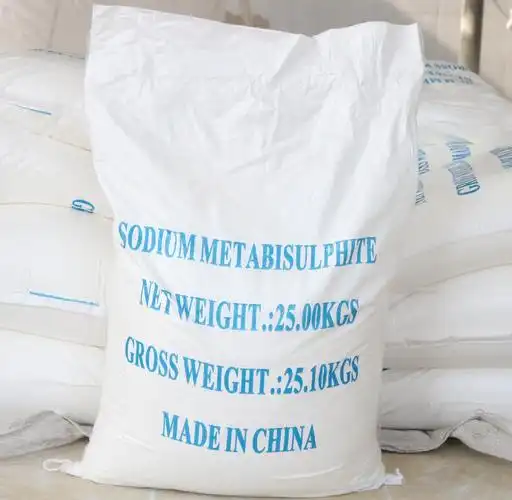
Select 99.5% high-purity anhydrous SMAS powder instead of 35% liquid:
- Ultra-low chloride, sulfite and dimer impurities prevent catalyst poisoning and paint film yellowing
- No extra water introduced into polymerization reactor; accurate solid content & molecular weight control
- Low freight cost for bulk factory procurement, 24-month sealed shelf life without discoloration
- Fully soluble in aqueous monomer pre-mix, no insoluble particles causing uneven dispersion performance
8. Production Operation Tips
- Semi-batch dropwise addition of SMAS mixed with acrylic monomers to guarantee uniform sulfonate distribution on polymer chains
- Use ammonium persulfate thermal initiator, reaction temperature controlled at 80–90 ℃
- Post-neutralize with ammonia or triethanolamine to pH 7.0–8.5 for optimal dispersant activity
- Avoid excessive high temperature (>95 ℃) to prevent SMAS thermal decomposition and sulfide odor generation