1. Core Structural Advantage of SMAS
SMAS (CAS 1561-92-8, C4H7NaO3S) carries two functional groups critical for polycarboxylate synthesis:
- Copolymerizable methallyl double bond: Grafts firmly into the polycarboxylate main chain via free radical polymerization; methyl steric hindrance avoids excessive crosslinking and gelation.
- Anionic sulfonate group −SO3Na: Permanently attaches negative charges to polymer molecular chains.
Compared with sodium allyl sulfonate (SAS), the methyl branch slows chain transfer, enabling precise control of target molecular weight for superplasticizers.
2. Core Working Mechanism in Polycarboxylate
- Electrostatic repulsionSulfonate negative charges adsorb on cement particle surfaces, generate strong electrostatic repulsion to break cement flocs, fully release free water and boost water reduction rate.
- Slump retention improvementStable sulfonate side chains slow cement early hydration, delay rapid loss of fluidity; concrete maintains workability for 2–4 hours.
- Anti-clay interferenceSulfonate groups have weak adsorption on clay minerals, reducing superplasticizer consumption wasted by soil impurities in aggregate.
- Dispersion stabilityUniform charge distribution prevents polymer agglomeration, improves adaptability across different cement varieties.
3. Why SMAS Is Preferred Over SAS for Superplasticizer
- Methyl steric hindrance restrains self-polymerization during synthesis, fewer gel impurities, stable product viscosity.
- Moderate chain transfer activity, easy to tune molecular weight to fit high water-reduction or slump-retaining polycarboxylate formulas.
- Ultra-low chloride/sulfite impurities in industrial SMAS powder avoid corrosion to steel rebar in concrete.
- Storage stable for bulk factory stock, no premature gelation of monomer solution.
4. Standard Industrial Dosage
Addition proportion: 2–6 mol% of total monomer mixture (macromonomer + acrylic acid + SMAS).
- High slump retention formula: 4–6 mol% SMAS
- High water reduction rapid hardening formula: 2–3 mol% SMAS
5. Matching SMAS Grade for Superplasticizer Production
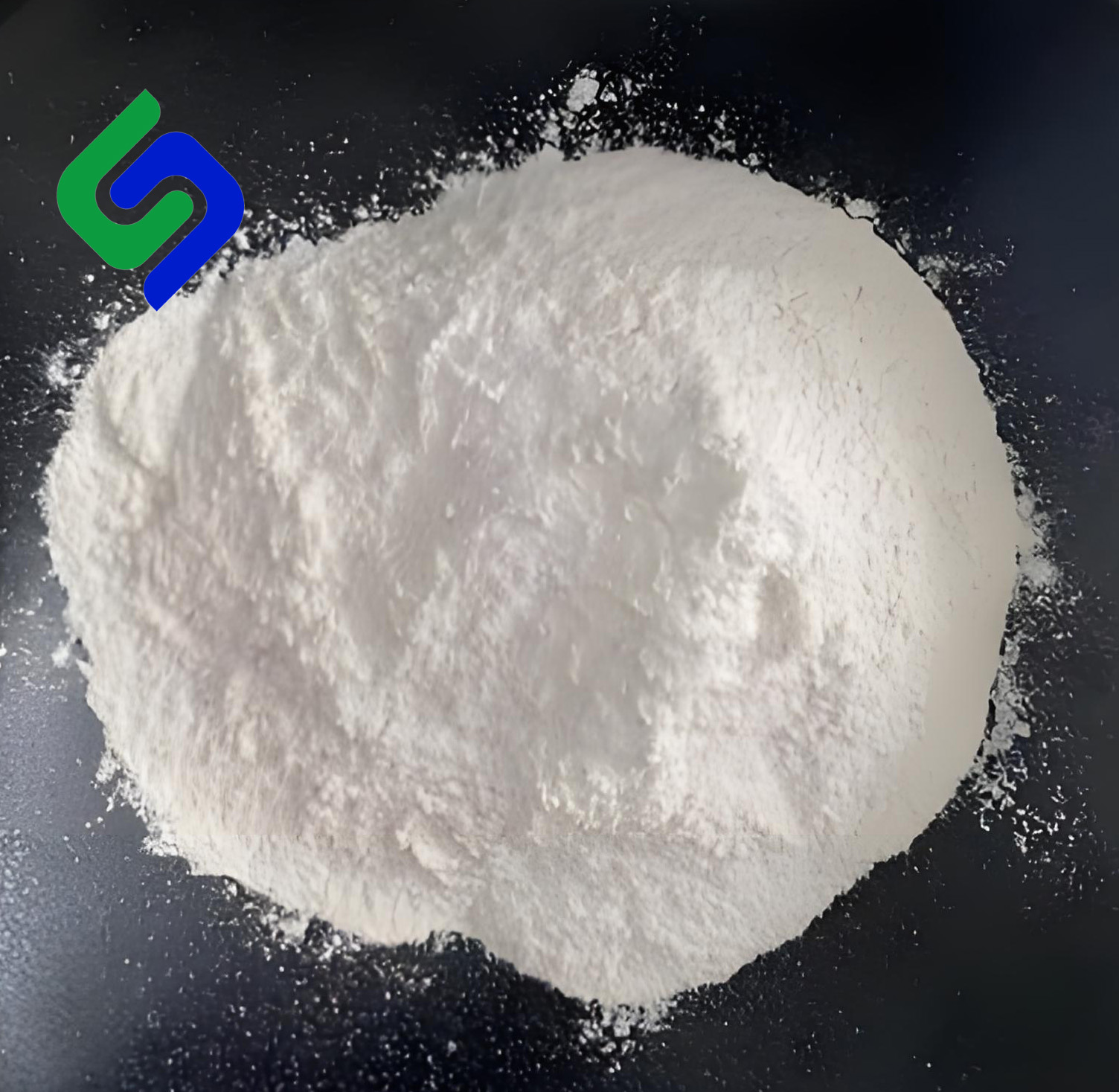
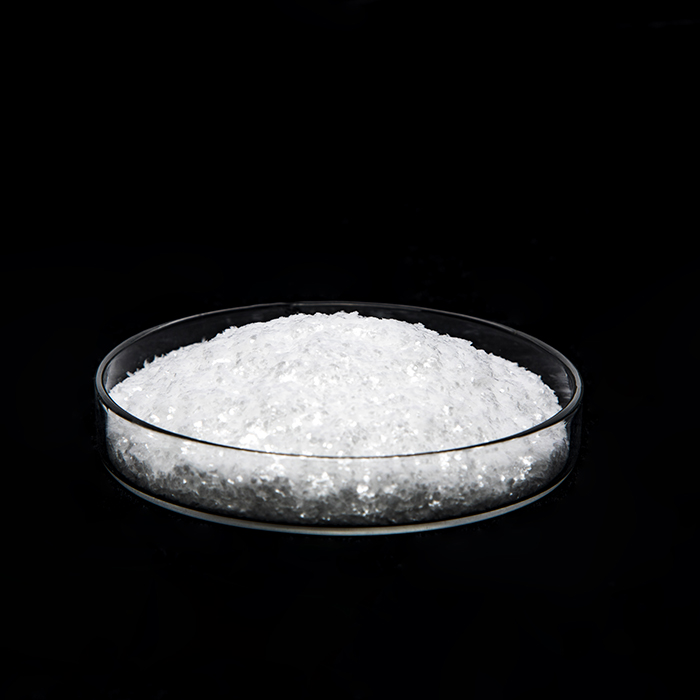
Select 99.5% anhydrous SMAS powder instead of 35% liquid:
- Ultra-low inorganic salt impurities eliminate adverse impact on concrete strength and steel anti-corrosion performance.
- No extra water introduced into polymerization reactor, accurate control of reaction concentration.
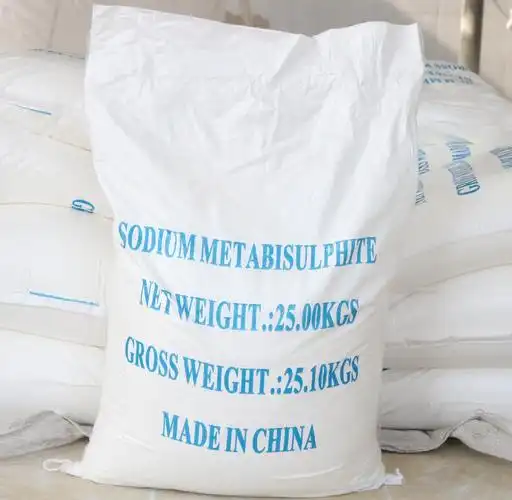
- Lower long-distance ocean freight cost for large-scale superplasticizer manufacturers.
- Long 24-month shelf life for bulk raw material inventory.
6. Final Performance Gain Brought by SMAS-Modified Polycarboxylate
- Water reducing rate up to 35%–45%
- Outstanding slump retention without extra retarder
- Good compatibility with various cements, fly ash and mineral powder
- Low air entrainment, high early and late concrete compressive strength
Sodium methallyl sulfonate (SMAS) is indeed a key functional monomer in the synthesis of high-performance polycarboxylate superplasticizers (PCEs). Its primary role is to introduce sulfonate groups into the polymer chain, significantly enhancing the dispersing and slump-retaining abilities of the final product.
The Functional Role of SMAS in PCEs
SMAS serves a critical function in the molecular design of PCEs. As a monomer with a negatively charged sulfonate group (-SO₃⁻), it provides multiple benefits:
- Enhanced Electrostatic Repulsion: In addition to the steric hindrance provided by the side chains of PCEs, the introduction of SMAS increases the negative charge density of the polymer chain. This enhances the electrostatic repulsive force between cement particles, which is a key factor in achieving excellent dispersion and fluidity in cement pastes.
- Improved Adsorption: The sulfonate groups, along with carboxyl groups, act as strong anchor groups that help the polymer adsorb firmly onto the surface of positively charged cement particles. This effective adsorption is crucial for maintaining the superplasticizer’s dispersing effect over time, thus improving the concrete’s slump retention performance.
- Synergistic Effect: Studies show that PCEs modified with SMAS achieve a maximum synergistic effect of steric hindrance and electrostatic repulsion, resulting in superior water-reducing capability and workability compared to conventional formulations.
Application in PCE Synthesis
In practice, SMAS is copolymerized with other monomers like acrylic acid (AA), acrylamide, and various polyether macromonomers (e.g., TPEG, APEG) via free radical polymerization in an aqueous solution. For example, optimizing the molar ratio of SMAS to other monomers is a key step to achieving peak performance.
Its effectiveness is widely validated. Research demonstrates that PCEs synthesized with SMAS achieve high water reduction rates and notably improve concrete’s early strength. Furthermore, using SMAS in synthesis can simplify manufacturing, with some methods employing a one-step, room-temperature process without heating. A high-purity, crystalline powder grade (e.g., ≥99.5%) is typically preferred for this sensitive polymerization reaction to ensure consistency and minimize unwanted impurities.
Summary: Why SMAS is Indispensable
In summary, sodium methallyl sulfonate is indispensable for producing high-quality PCEs because its sulfonate groups directly address the fundamental requirements of effective concrete admixtures: powerful dispersion, high water reduction, and sustained fluidity over time. By combining strong electrostatic repulsion with robust anchoring to cement particles, SMAS-modified PCEs ensure the high and stable performance demanded by modern high-performance concrete applications.