
1. Basic Information Comparison
表格
| Item | SAS (Sodium Allyl Sulfonate) | SMAS (Sodium Methallyl Sulfonate) |
|---|---|---|
| Full Name | Sodium Allyl Sulfonate | Sodium Methallyl Sulfonate |
| Alias | Sodium propene sulfonate | Sodium methallyl sulfonate |
| CAS No. | 2495-39-8 | 1561-92-8 |
| Molecular Formula | C₃H₅NaO₃S | C₄H₇NaO₃S |
| Molecular Weight | 144.12 | 158.16 |
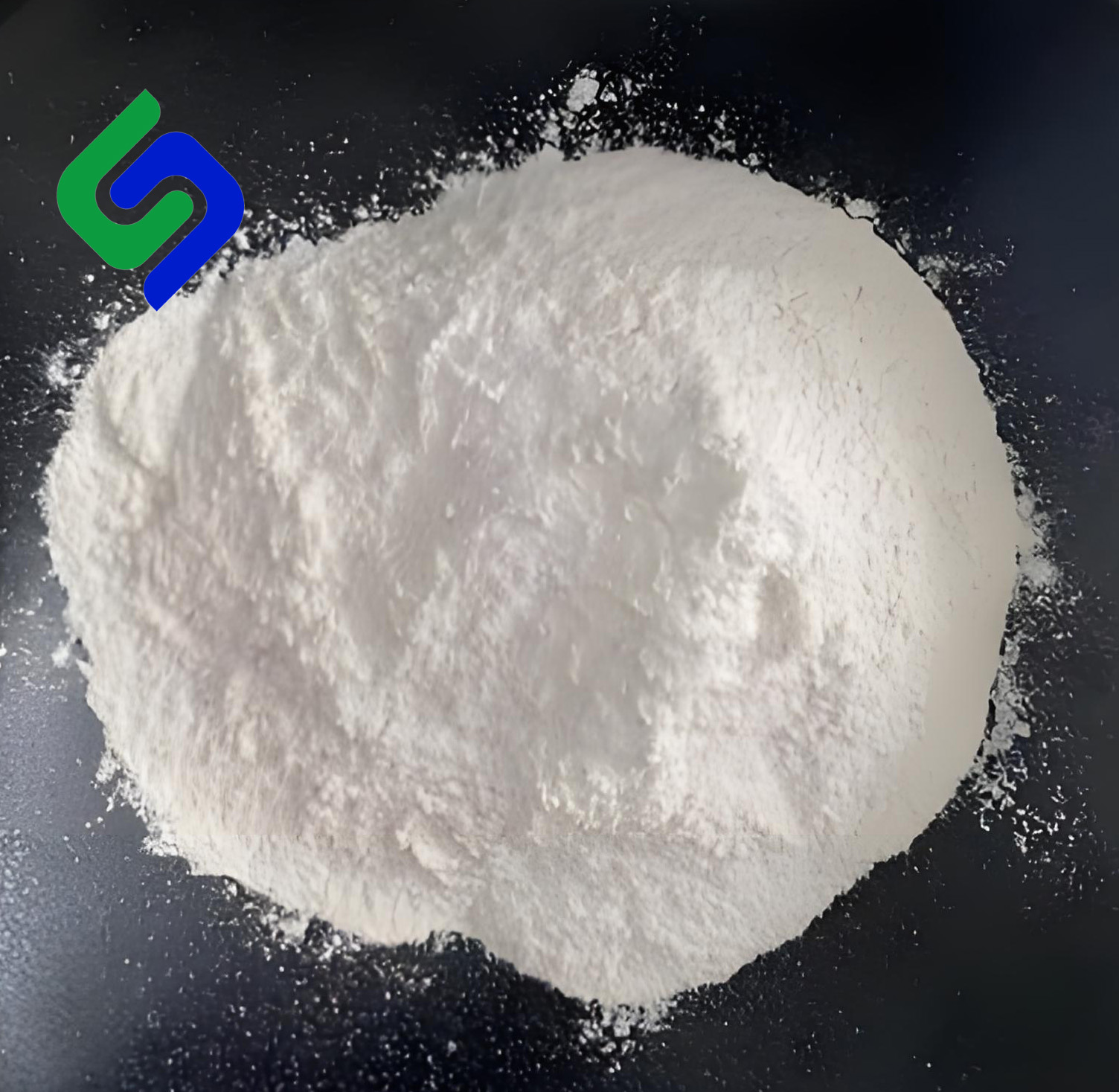
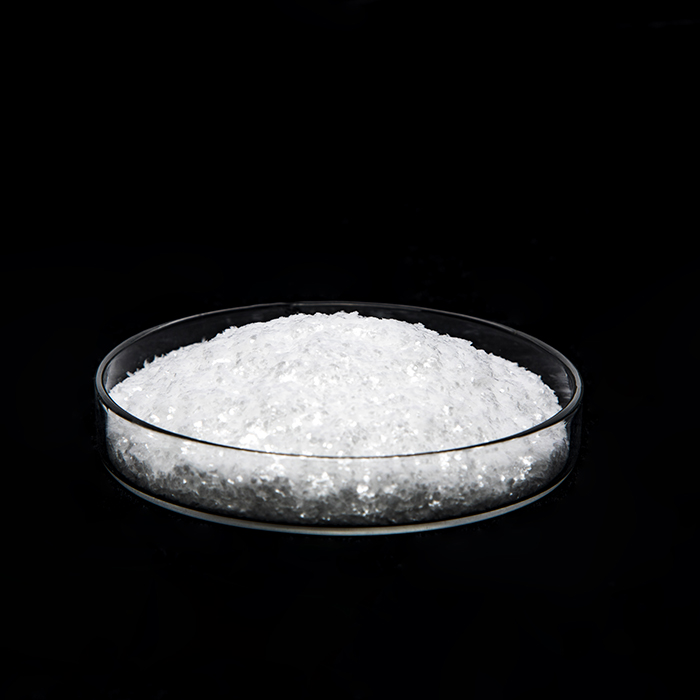
| Appearance | White crystalline powder | White crystalline powder |
2. Structural Differences (Key Point)
- SAS: Molecular formula: CH₂=CH–CH₂–SO₃Na. It has a linear double bond without methyl branch.
- SMAS: Molecular formula: CH₂=C(CH₃)–CH₂–SO₃Na. A methyl group is attached to the double-bond carbon, leading to larger steric hindrance.
3. Major Property Differences
- Melting Point & Thermal StabilitySAS decomposes at 242 ℃ and keeps stable below 200 ℃. SMAS melts at 270–280 ℃ with superior heat resistance, and hardly undergoes self-polymerization under high temperature.
- Polymerization ActivitySAS features small steric hindrance on double bonds, high activity and easy homopolymerization. Its aqueous solution tends to polymerize when heated.With extra methyl group, SMAS has moderate activity and low tendency of self-polymerization, enabling better controllability in copolymerization. It is also widely used as a chain transfer agent.
- Water SolubilitySAS is highly soluble in water and miscible with water in any ratio. SMAS is soluble in water, with slightly lower solubility than SAS.
4. Application Differences
Main Applications of SAS
- As the third monomer for acrylic fiber to improve dyeability, heat resistance and elasticity.
- Auxiliary brightener and leveling agent in nickel electroplating to enhance coating ductility.
- Monomer for scale inhibitors and additive for oilfield drilling fluids in water treatment industry.
Main Applications of SMAS
- Special chain transfer agent for polycarboxylate superplasticizers, delivering high water reducing rate and mild retarding property.
- Raw material for copolymer scale inhibitors applied to water with high hardness and high salinity.
- Stabilizer for emulsion polymerization and pigment dispersant in coatings.
5. Summary
SAS has no methyl branch, presents high chemical activity and is prone to self-polymerization. It is mainly applied to acrylic fiber production, electroplating and conventional water treatment.
SMAS contains methyl group with larger steric hindrance and excellent anti-self-polymerization performance. It is primarily used for polycarboxylate superplasticizers and advanced water treatment chemicals.