
As the global energy industry pivots toward unconventional and mature assets, oilfield chemists face a common bottleneck: conventional polymers fail under extreme conditions. High temperatures, ultra-high salinity, and divalent ions (Ca²⁺, Mg²⁺) cause standard polyacrylamides to degrade, precipitate, or lose viscosity—leading to poor sweep efficiency, scale deposition, and wellbore instability.
Enter Sodium Methallyl Sulfonate (SMAS) (CAS: 1561-92-8)—a specialty sulfonate monomer engineered to thrive where others fail. With its unique combination of a reactive vinyl group and a highly stable sulfonate group, SMAS is the building block for next-generation drilling fluids, EOR polymers, and scale inhibitors .
Why SMAS? The Chemistry of Resilience
- Molecular Formula: C₄H₇NaO₃S
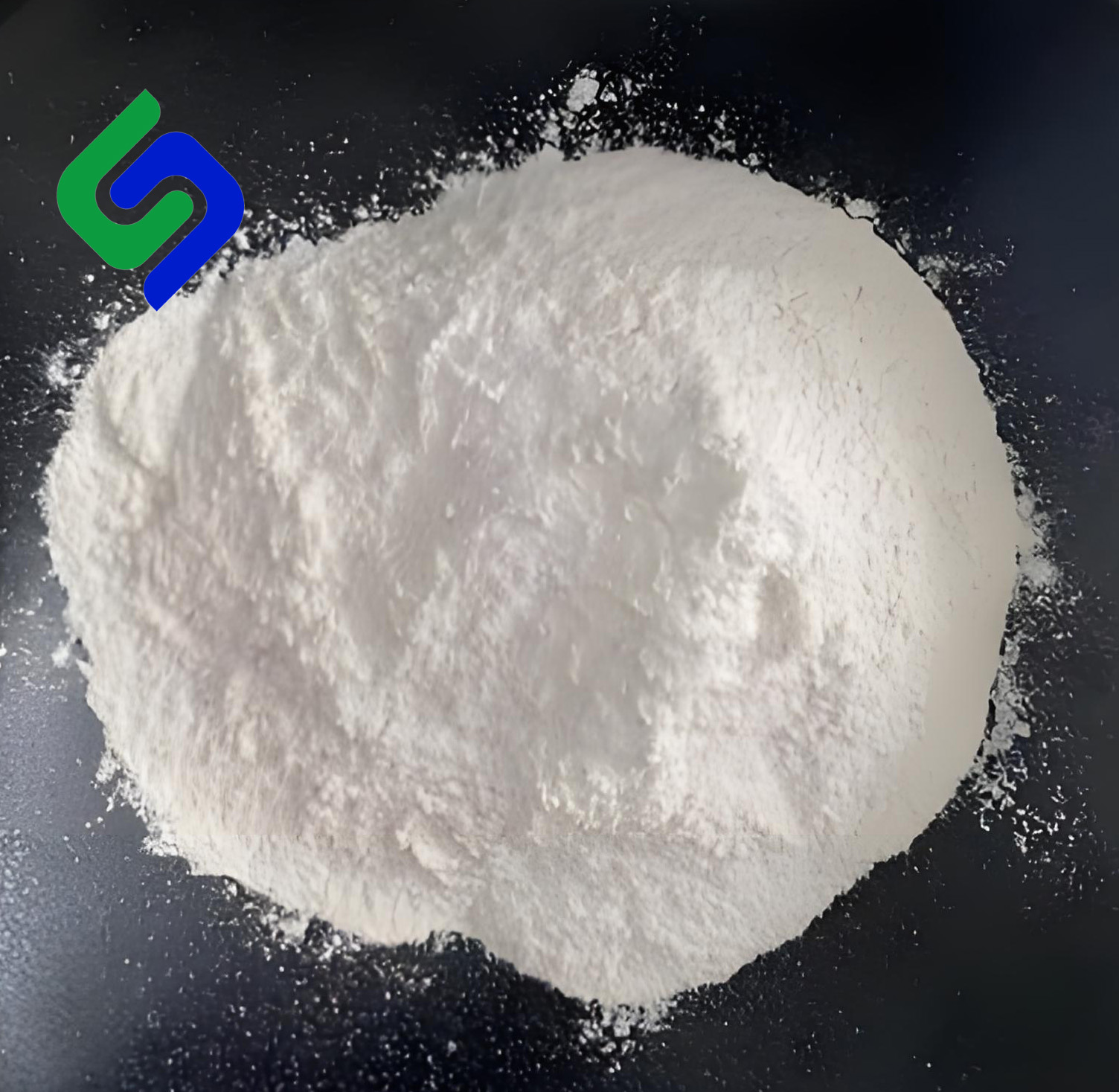
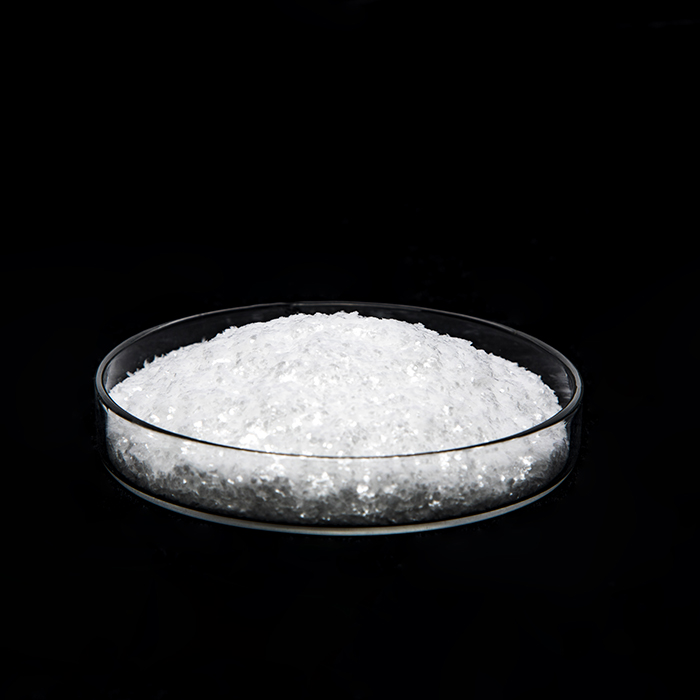
- Appearance: White crystalline powder, freely soluble in water
- Purity (Industrial Grade): ≥ 99.5%
- Critical Impurity Control: Fe²⁺ ≤ 0.4 ppm; Cl⁻ ≤ 0.035%
The secret to SMAS lies in its sulfonate group (-SO₃Na) . Unlike carboxylate groups, the sulfonate group remains fully ionized across the entire pH spectrum and is resistant to hydrolysis at elevated temperatures. This translates to:
- Thermal Stability: Decomposition temperature exceeds 270°C (518°F) , making it suitable for deep, high-temperature reservoirs .
- Extreme Salt Tolerance: Maintains polymer integrity in brines exceeding 200,000 ppm TDS and high divalent ion concentrations .
- Permanent Hydrophilicity: Ensures rapid dissolution and prevents phase separation in harsh environments .
Key Applications in the Oil & Gas Lifecycle
1. Enhanced Oil Recovery (EOR): Polymer Flooding in Hostile Reservoirs
In chemical EOR, viscosity is king. SMAS is copolymerized with acrylamide (AM) and acrylic acid (AA) to create sulfonated polyacrylamides (SPAM) .
- The Advantage: SMAS-based polymers maintain viscosity and sweep efficiency in reservoirs where conventional polymers salt-out or thermally degrade.
- Field Performance: In high-salinity offshore reservoirs (e.g., 120°C, 65,000 ppm TDS), SMAS copolymers have demonstrated over 90% scale inhibition effectiveness and significantly extended polymer life compared to non-sulfonated alternatives .
2. Drilling Fluids: Wellbore Stability and Fluid Loss Control
Water-based muds (WBMs) are increasingly favored over oil-based muds for environmental compliance, but they require high-performance additives to manage challenging shales.
- Mechanism: SMAS copolymers adsorb onto clay surfaces, forming a thin, tough, and low-permeability filter cake.
- Results: This reduces fluid invasion into formations, prevents shale hydration, and maintains rheological properties even at bottomhole temperatures exceeding 150°C (302°F) .
3. Scale Inhibition: Protecting Flow Assurance
Barium sulfate and calcium carbonate scales are silent killers of production.
- Solution: Polymeric scale inhibitors incorporating SMAS disrupt crystal growth through threshold inhibition.
- Benefit: They remain soluble and active in high-calcium environments where phosphonates would precipitate, ensuring long-term protection for tubing and near-wellbore areas .
4. Cementing and Completions
In high-pressure, high-temperature (HPHT) wells, cement integrity is paramount. SMAS-based additives act as fluid loss controllers and dispersants, ensuring uniform cement sheaths and preventing gas migration .
Technical Specifications: The Quality You Can Trust
When formulating for extreme environments, impurity levels matter. High-purity SMAS ensures predictable polymerization and stable downhole performance.
| Parameter | Best Grade Specification | Test Method |
|---|---|---|
| Assay (Content) | ≥ 99.5% | HPLC |
| Appearance | White crystalline powder | Visual |
| Chloride (Cl⁻) | ≤ 0.035% | Titration |
| Iron (Fe²⁺) | ≤ 0.4 ppm | ICP-OES |
| Sodium Sulfite | ≤ 0.02% | Titration |
| Moisture | ≤ 0.5% | Karl Fischer |
Source: Industry Standard Specifications
Comparative Advantage: SMAS vs. Conventional Monomers
| Parameter | Conventional Polyacrylamide | SMAS-Based Polymer | Improvement Factor |
|---|---|---|---|
| Salt Tolerance (TDS) | < 30,000 ppm | > 200,000 ppm | > 550% |
| Temperature Limit | 70-80°C | 90-150°C | 30-50% Higher |
| Divalent Ion Resistance | Poor (Precipitates) | Excellent | Significant |
| Hydrolytic Stability | Susceptible | Superior | Extended Life |
Source: Comparative Performance Data
Market Outlook and Future Trends
The global push to maximize recovery from mature fields and develop high-temperature, high-salinity (HTHS) reservoirs is driving demand for robust chemistries like SMAS. The market for SMAS in oilfield applications is projected to grow at a CAGR of 6-8% through 2030 .
Emerging trends include:
- Nanocomposite Polymers: SMAS integrated with silica nanoparticles for prolonged release in ultra-high TDS reservoirs .
- Smart Polymers: Development of “intelligent” fluids that respond to reservoir stimuli (pH, temperature) for adaptive conformance control .
- Green Chemistry: Research into bio-based SMAS synthesis to reduce carbon footprint without sacrificing performance .
Conclusion: The Strategic Choice for Demanding Reservoirs
Sodium Methallyl Sulfonate is not just a chemical intermediate; it is a strategic enabler for unlocking value from the world’s most challenging oil and gas assets. By providing the thermal stability, salt tolerance, and chemical versatility required for modern recovery techniques, SMAS helps operators extend field life, protect infrastructure, and maximize economic returns.
For EOR polymer manufacturers and oilfield service companies, partnering with a reliable SMAS supplier ensures access to high-purity monomer and the technical expertise needed to formulate the next generation of high-performance oilfield chemicals.
Summary
Sodium Methallyl Sulfonate (SMAS) is a high-purity sulfonate monomer (CAS 1561-92-8) that serves as a critical building block for advanced oilfield chemicals. Its core value lies in the exceptional stability of its sulfonate group, which provides:
- Thermal Resilience: Effective at temperatures exceeding 150°C, far beyond the limits of conventional polymers.
- Extreme Salt Tolerance: Maintains performance in brines with over 200,000 ppm TDS and high concentrations of Ca²⁺/Mg²⁺.
- Application Versatility: It is essential in formulating polymers for Enhanced Oil Recovery (EOR) , high-performance drilling fluids, and effective scale inhibitors .
As the oil industry increasingly targets challenging HTHS reservoirs and mature fields requiring enhanced recovery, the demand for SMAS-based solutions is projected to grow significantly. It represents a proven, reliable chemistry for ensuring operational success and maximizing asset value in harsh downhole environments .