
1. Self-polymerization tendency of Sodium Methallyl Sulfonate (SMAS)
Sodium Methallyl Sulfonate (SMAS) shows very low self-polymerization risk under normal storage and polymerization conditions.
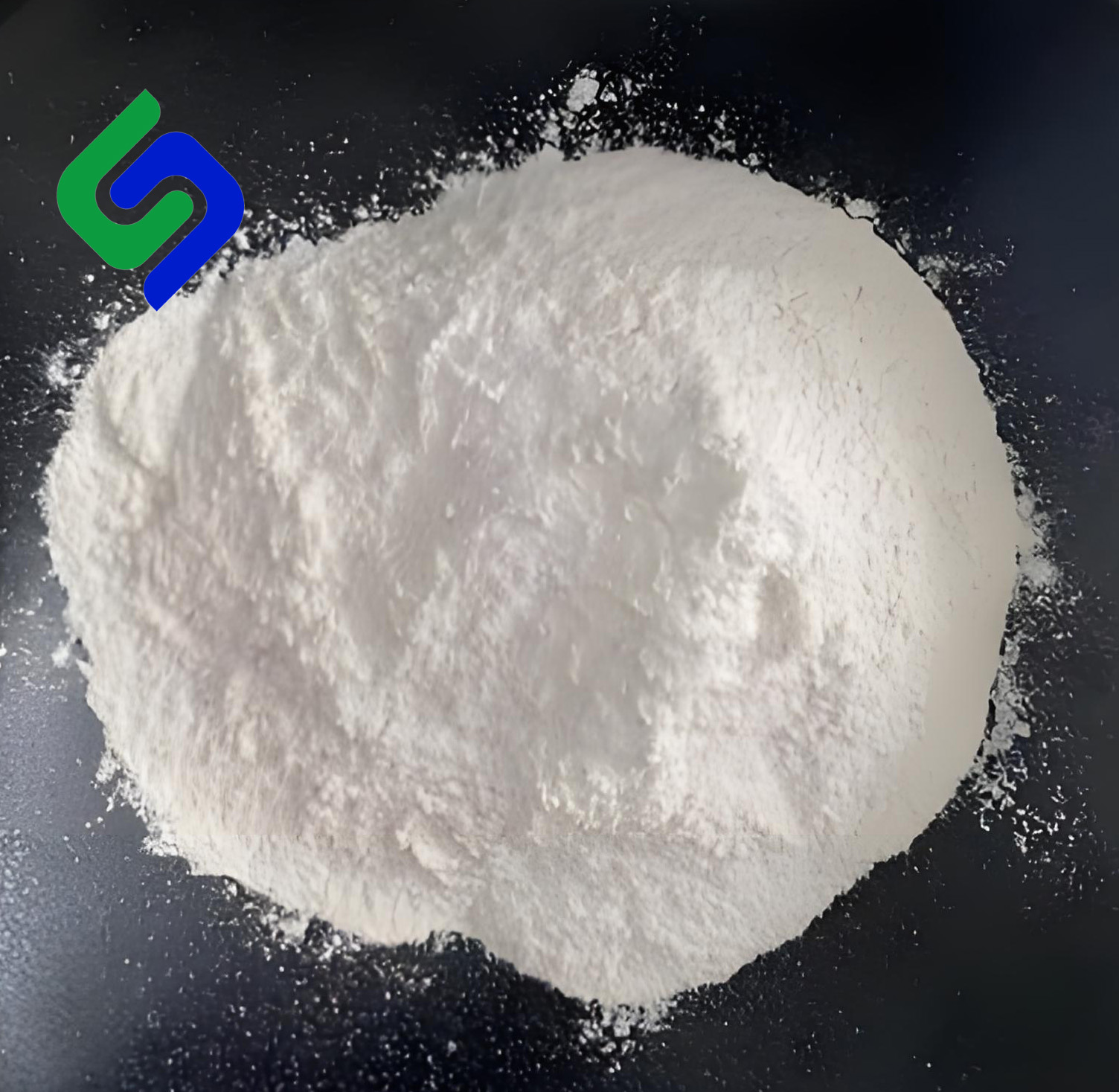
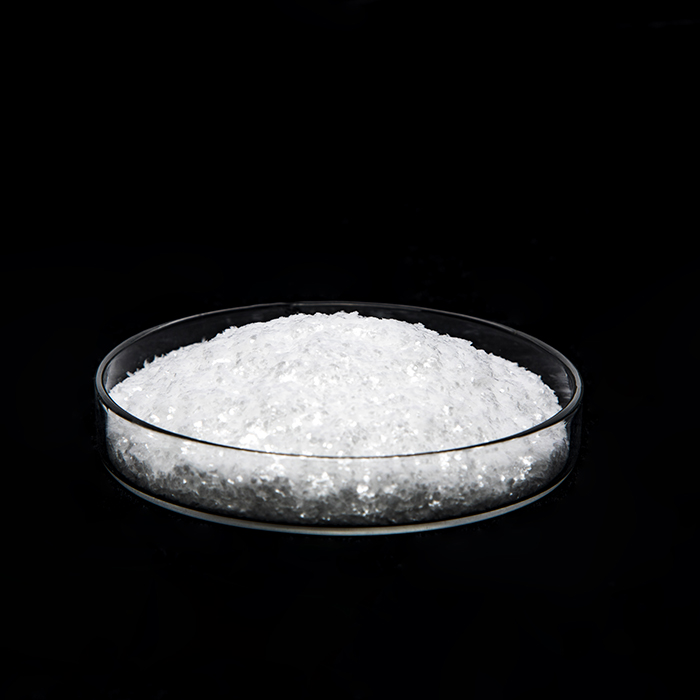
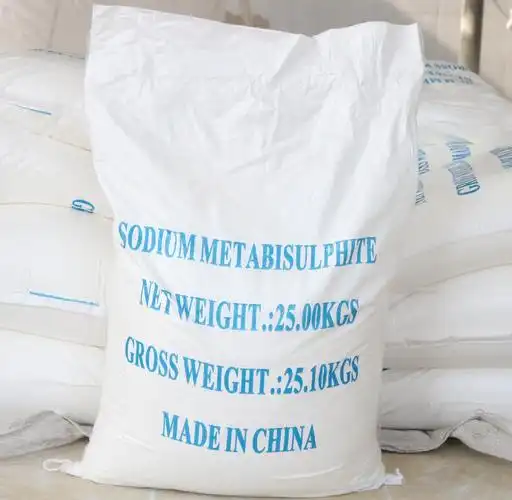
- Solid SMAS powder is stable at room temperature; no spontaneous homopolymerization without initiators, heat or strong oxidants.
- Its methallyl double bond has steric hindrance, greatly suppressing homopolymerization compared with acrylic monomers; it preferentially copolymerizes with AM, DAC, acrylic acid etc.
- Only long-term high-temperature storage or residual free radicals may trigger slight self-aggregation; trace inhibitor can fully stabilize raw SMAS stock.
2. Thermal stability of SMAS aqueous solution
- Bulk thermal stability: Solid SMAS decomposes above 220 °C, melting point over 270 °C, possessing outstanding heat resistance.
- Aqueous solution stability under polymerization temperature (60–80 °C): Stable with no decomposition or hydrolysis in neutral/weak alkaline water (pH 6–9), the standard polymerization window.
- Overheating risk: Above 90–100 °C long-time heating slightly accelerates faint side reactions; strong acid protonates –SO₃⁻, lowers solubility and destabilizes the aqueous system prematurely.
- No hydrolysis of sulfonate groups in hot neutral water; ionic structure remains intact to sustain hydrophilicity and salt tolerance.
Regarding the storage stability and aqueous solution thermal stability of SMAS (Sodium Methallyl Sulfonate), the available data provide relatively clear conclusions:
Core Conclusions
- Not prone to self-polymerization, stable for storage: As a monomer, the sulfonate group in SMAS imparts excellent chemical stability. It can be stored stably under conventional conditions without concern for spontaneous polymerization.
- Good thermal stability in aqueous solution: Both its homopolymer, copolymers, and SMAS itself exhibit good thermal stability.
Data and Explanation
To help you understand more intuitively, here are some key data points:
- Melting point: SMAS has a very high melting point, approximately 270°C – 300°C. This physical property serves as evidence of its excellent thermal stability.
- Water solubility: At 20°C, the solubility of SMAS in water is approximately 523 g/L, indicating very good solubility.
Important Additional Notes
- SMAS itself is a strong oxidizer. Upon combustion, it decomposes to produce toxic gases such as carbon monoxide, carbon dioxide, and sulfur oxides. It should be stored away from ignition sources.
- Although its thermal stability is high, in the presence of free radical initiators such as ammonium persulfate, and under heating conditions, SMAS will readily undergo polymerization reactions, which is the basis for its industrial use as a functional monomer.
- Research on the temperature resistance mechanism of polymers also indicates that the sulfonate groups in SMAS can form a denser hydration layer and longer-lived hydrogen bonds with water molecules, contributing to the excellent high-temperature resistance of its copolymers.
Summary
SMAS is a well-designed, stable functional monomer. Under normal storage and usage conditions, it will not self-polymerize and can withstand relatively high temperatures. By taking basic precautions against fire and moisture, you can ensure its quality remains stable.