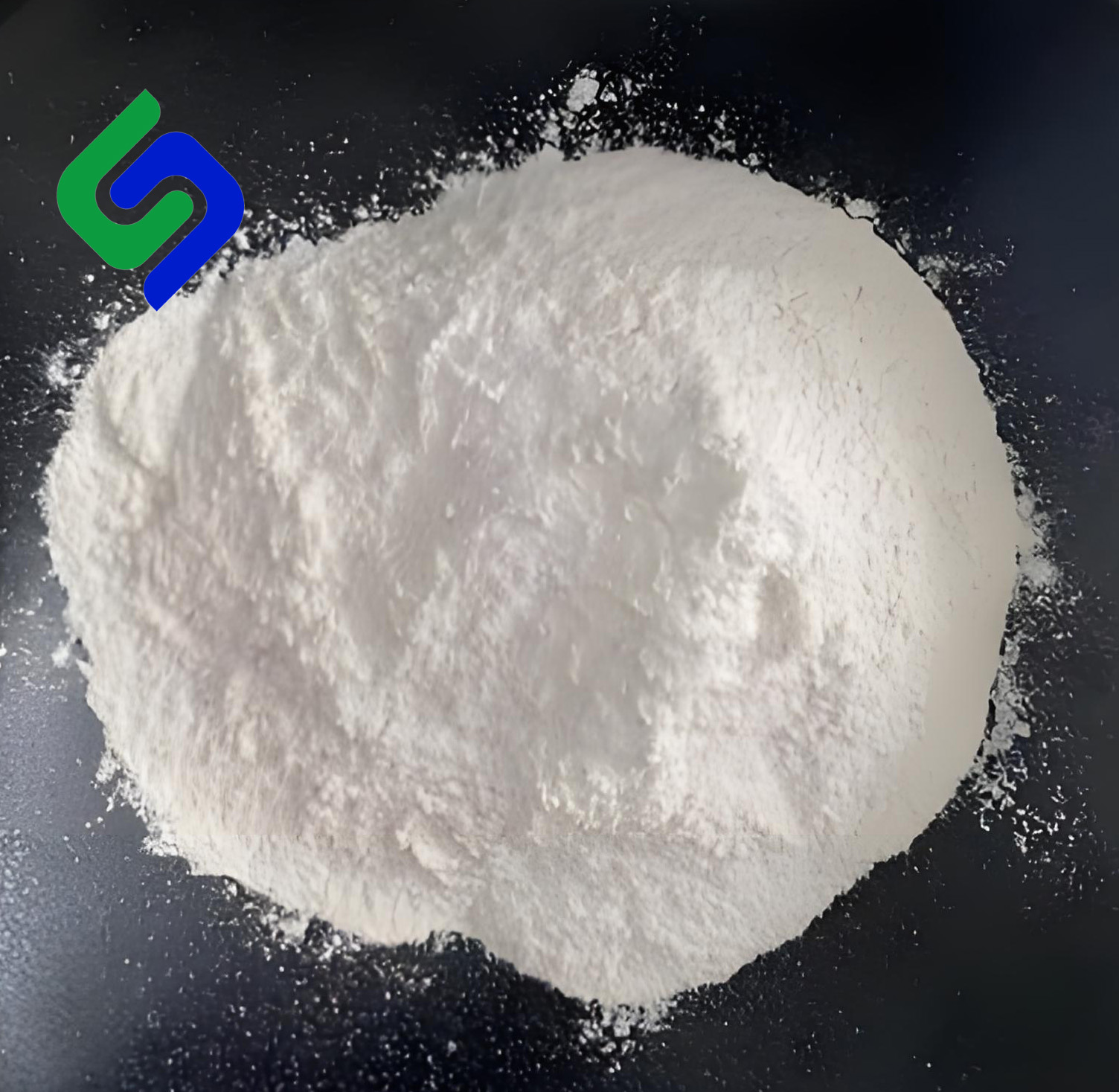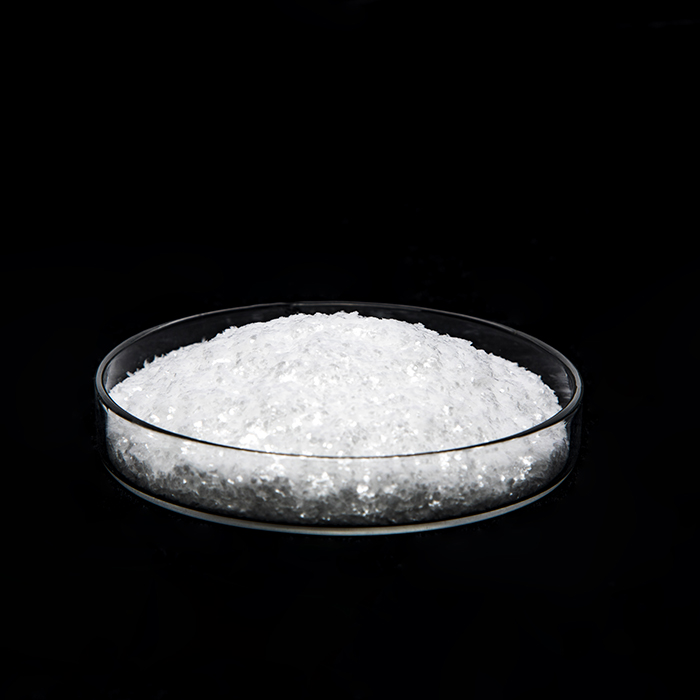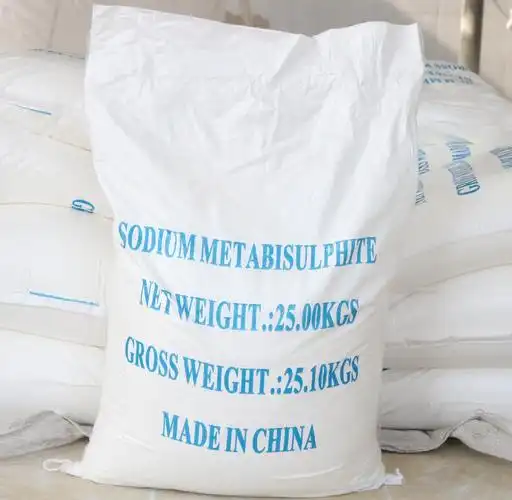

Sodium methallyl sulfonate (SMAS) is a dual-functional monomer: it introduces sulfonate anchoring groups and serves as a mild chain transfer agent in polycarboxylate ether (PCE) superplasticizer copolymerization. Unstable SMAS feeding, reaction temperature drift, raw material purity deviation and inconsistent initiator dosage will trigger severe molecular weight fluctuation, leading to unstable water reduction, slump retention and storage stability of finished PCE products. Below are systematic control measures to stabilize molecular weight distribution:
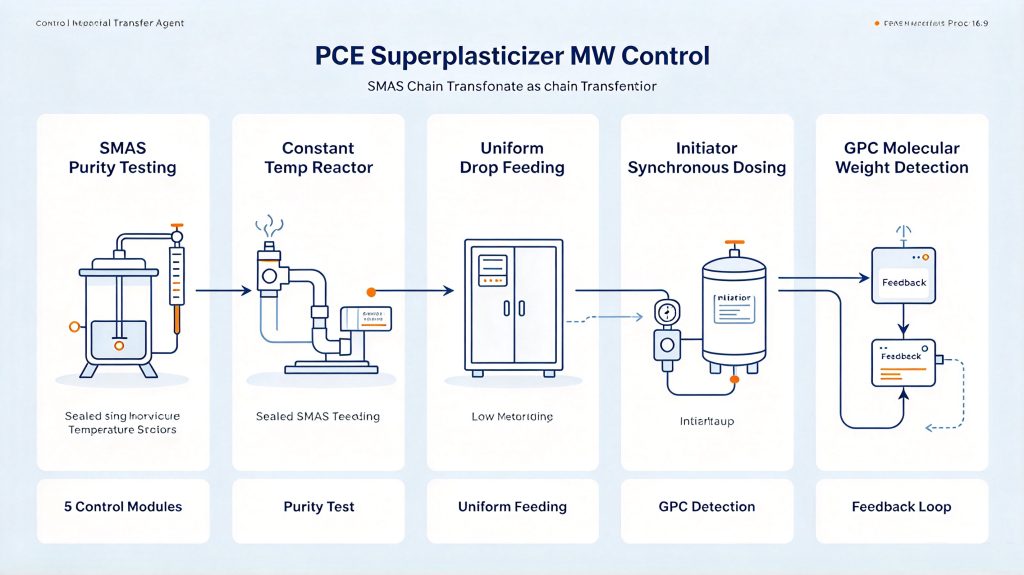
1. Strict Calibration of Effective SMAS Molar Dosage (Core Control Point)
Commercial industrial sodium methallyl sulfonate contains hygroscopic moisture, sodium sulfate impurities and residual methallyl sulfonate acid, which directly change actual chain transfer capacity.
- Test active content of each batch SMAS before batching; convert feeding mass into pure effective moles to fix the SMAS:TPEG molar ratio within a narrow optimal window (0.12–0.30:1) without random offset.
- Avoid one-time bulk feeding of SMAS; adopt continuous uniform dropwise feeding matched with acrylic acid co-monomer to eliminate local high SMAS concentration that causes ultra-low molecular weight fragments.
- Seal SMAS storage workshop with constant low humidity; prevent SMAS deliquescence from altering effective molar weight and breaking preset chain transfer balance.
2. Stabilize Polymerization Temperature to Eliminate Chain Transfer Rate Drift
The chain transfer constant of sodium methallyl sulfonate rises sharply with temperature fluctuations, which widens molecular weight distribution (PDI):
- Maintain constant reaction temperature with precision temperature monitoring probes, control temperature fluctuation range within ±1℃ during full dropwise feeding and insulation stage.
- For low-temperature redox initiation system (20–35℃): slightly raise SMAS dosage to compensate slow chain transfer rate at low stable temperature.
- For thermal initiation high-temperature process (70–85℃): reduce SMAS molar proportion, as high temperature accelerates natural free radical chain transfer; any temperature spike will generate excessive short-chain polymers.
3. Match Initiator Dosage & Feeding Speed with SMAS Chain Transfer Effect
Radical concentration interacts directly with SMAS to adjust final molecular weight:
- Fix initiator drop rate synchronously with sodium methallyl sulfonate feeding speed; asynchronous feeding leads to alternating high/low molecular weight batches.
- When SMAS effective content rises unexpectedly, cut initiator addition volume moderately to avoid over-termination of polymer chains.
- Avoid initiator local over-concentration, which creates uneven radical density and inconsistent chain transfer reaction degree with SMAS.
4. Raw Material Homogenization & Batch Consistency Control
- Pre-mix each batch of TPEG macromonomer to eliminate molecular weight difference among TPEG barrels; mismatched TPEG molecular weight amplifies SMAS-induced molecular weight fluctuation.
- Filter dissolved SMAS solution via vibrating sieve before delivery into sealed reaction pipeline to remove insoluble impurity agglomerates that block uniform chain transfer.
- Conduct small-scale pre-polymerization test for every new SMAS batch to adjust feeding ratio before formal mass production, locking stable molecular weight baseline.
5. Post-Reaction Online Monitoring & Closed-Loop Adjustment
- Equip GPC offline testing for each finished batch to track weight-average molecular weight and PDI; if molecular weight drifts out of target range, adjust SMAS effective mole dosage for next batch.
- Install real-time viscosity monitoring probes on stirring reactor; solution viscosity fluctuation reflects molecular weight shift, serving as early warning for abnormal SMAS chain transfer performance.
6. Avoid Co-Monomer Ratio Disturbance Interfering SMAS Function
Acrylic acid (AA) molar proportion changes consume free radicals and offset SMAS chain transfer capacity:
- Lock fixed AA:TPEG base ratio; any AA dosage increase requires proportional tiny upward adjustment of sodium methallyl sulfonate to maintain stable molecular weight.
- Prevent excessive acrylic acid local polymerization gelation, which consumes SMAS unevenly and generates ultra-high molecular weight crosslinked polymers.