
1. Basic Definition & Identity
Full Chemical Name
IUPAC: Sodium prop-2-ene-1-sulfonate
Common aliases: Sodium Allylsulfonate, ALS, SAS, Allylsulfonic Acid Sodium Salt
Core Chemical Information
- CAS No.: 2495-39-8
- EINECS: 219-676-5
- Molecular Formula: C3H5NaO3S
- Molecular Weight: 144.12 g/mol
- MDL No.: MFCD00051416
- SMILES:
C=CCS(=O)(=O)[O-].[Na+]
Brief Introduction
Sodium Allyl Sulfonate is a bifunctional water-soluble anionic organic salt. It carries two key reactive functional groups:
- Hydrophilic anionic sulfonate group −SO3Na: provides water solubility, surface adsorption, ionic dispersibility
- Unsaturated allyl vinyl group CH2=CH−CH2−: free-radical copolymerizable monomer, enables covalent bonding in polymer synthesis
It exists commercially in two forms:
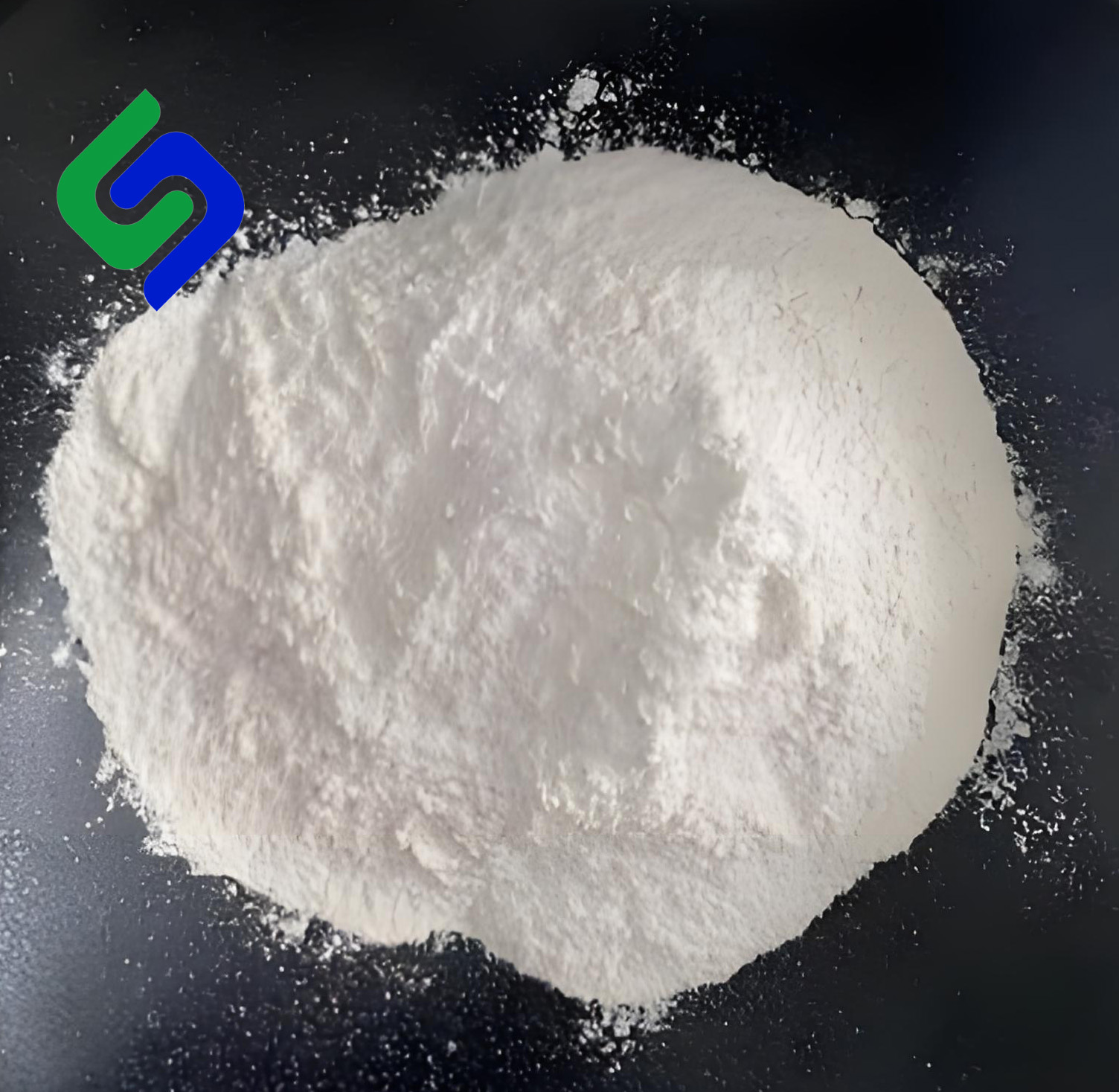
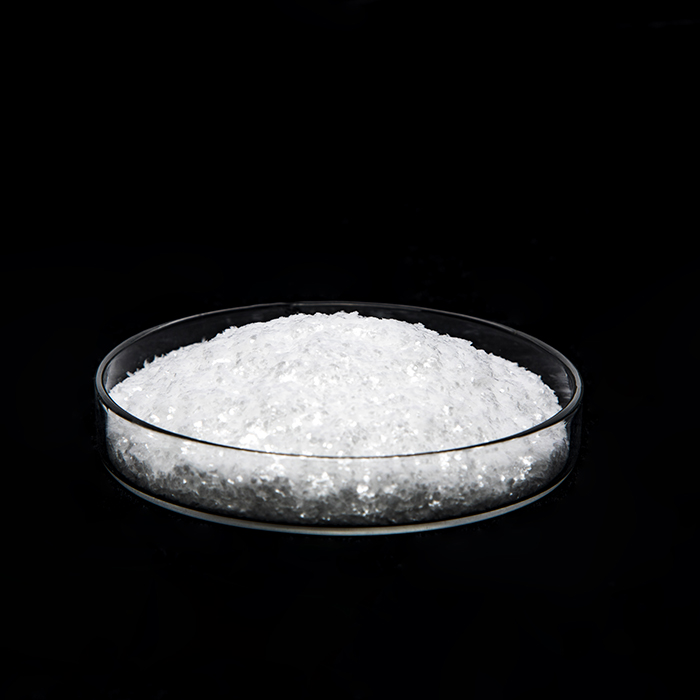
- Solid: White crystalline powder (95%–98% purity)
- Liquid: 35 wt% transparent aqueous solution (main industrial grade for electroplating)
2. Molecular Structure
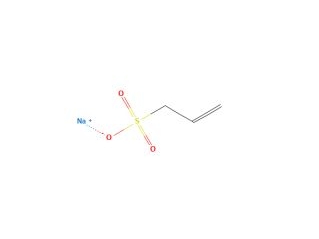
2D Structural Diagram

2D Skeletal Structure
Ball-and-Stick Model
Structural Breakdown
CH2=CH−CH2−SO3−Na+
- Terminal carbon-carbon double bond (allyl reactive site for polymerization)
- Methylene linker −CH2− connecting alkene and sulfonate
- Negatively charged sulfonate anion −SO3− bonded to sodium cation Na+ (high polarity, full water miscibility)
Key Structural Feature
The dual reactive groups determine all its industrial functions: copolymerization modifier, electroplating brightener, dispersant, textile auxiliary.
3. Core Physical & Chemical Properties
- Appearance
- Solid: Odorless white crystal/granule
- 35% liquid: Colorless to pale yellow transparent liquid
- Melting Point: 242 °C (decomposes above 300 °C, no boiling point)
- Solubility: Fully soluble in water, methanol, ethanol; insoluble in alkanes
- pH (1% aqueous): 6.5–9.0 (weak neutral to mild alkaline)
- Thermal Stability: Dry solid stable at room temp; aqueous solution prone to self-polymerization under prolonged heating
- Chemical Stability: Stable under normal storage; incompatible with strong oxidants and concentrated strong acids
4. Main Industrial Applications
- Electroplating (Largest Consumption)Primary auxiliary brightener for acid nickel plating: refines metal grain, improves throwing power, eliminates dark low-current areas; also used in acid copper, zinc, Ni-Co alloy plating baths.
- Polymer Co-monomer
- Acrylic fiber third monomer: boosts dye uptake and antistatic performance
- Water treatment scale inhibitor: copolymerized with acrylic acid/acrylamide to produce calcium salt dispersants
- Emulsion polymerization emulsifier & chain transfer agent
- Textile & DyeingAntistatic agent, leveling auxiliary for dyeing
- Organic Synthesis Intermediate
5. MSDS (SDS) Introduction & Download Links
GHS Hazard Classification (Standard SDS Content)
- Signal Word: Warning
- Hazard Statements:H315: Causes skin irritationH319: Causes serious eye irritationH335: May cause respiratory irritation
- Precautionary Statements: Wear eye/skin protection; rinse thoroughly after contact; avoid inhalation of dust
- Environmental Note: Harmful to aquatic life with long lasting effects; avoid direct discharge to water bodies
Official Free MSDS Download URLs
How to Get Manufacturer Custom MSDS
If you need factory-specific SDS matching 35% liquid or high-purity solid SAS:
- Contact your chemical supplier to request product-specific MSDS (includes production batch impurity data)
- Search industrial chemical platforms: Guidechem, Alfa Chemistry, Sigma-Aldrich with CAS 2495-39-8 for brand-tailored safety documents
6. Storage & Handling Rules (From MSDS)
- Store in cool, dry, ventilated warehouse, sealed tightly; isolate from oxidants
- Solid powder: Prevent moisture absorption
- Liquid ALS: Avoid direct sunlight and high-temperature storage
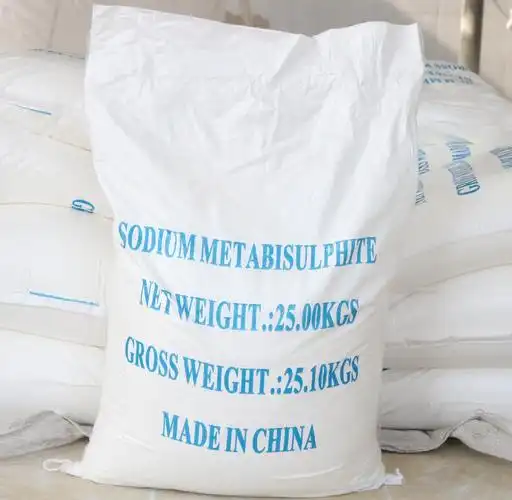
- Packaging: 25kg woven bag (solid); 25kg HDPE plastic drum (35% liquid)
- Shelf life: 24 months under intact sealed packaging