
Overview
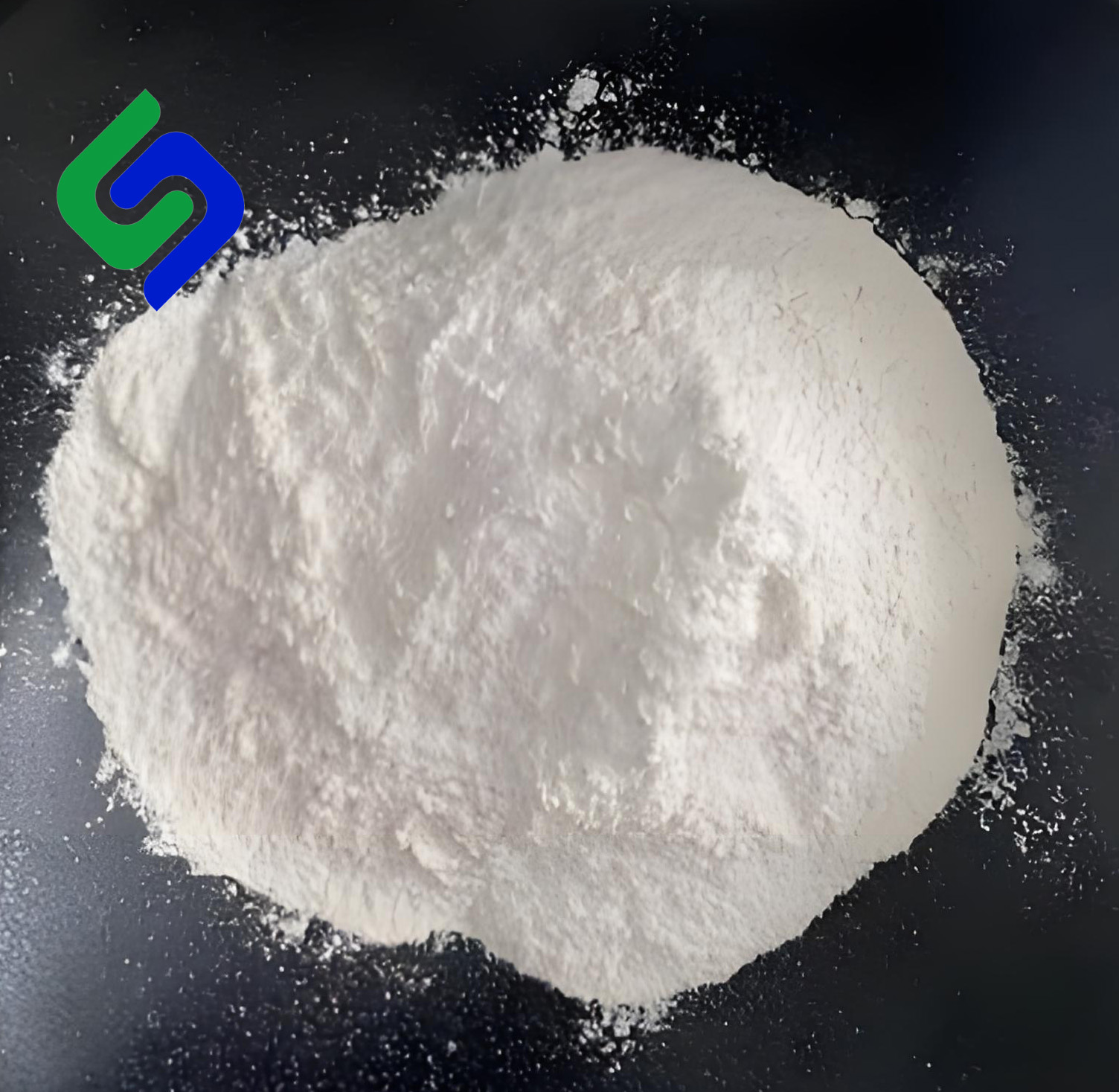
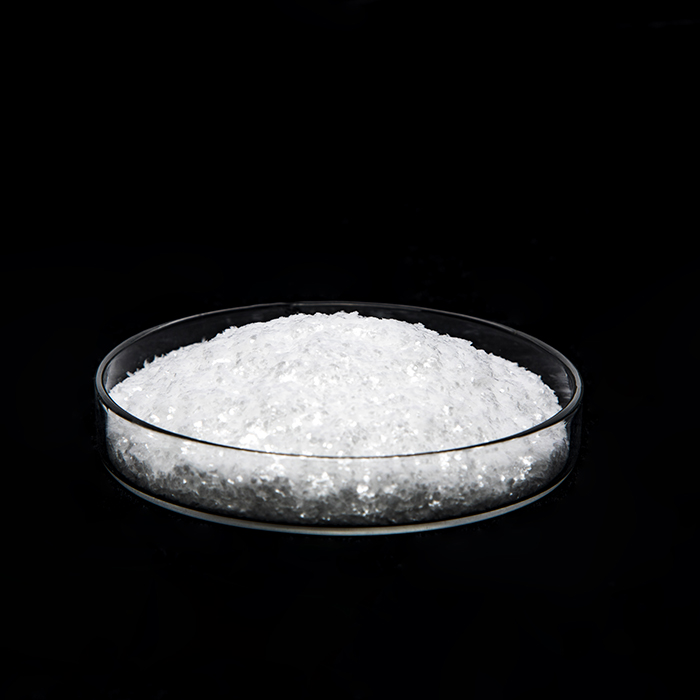
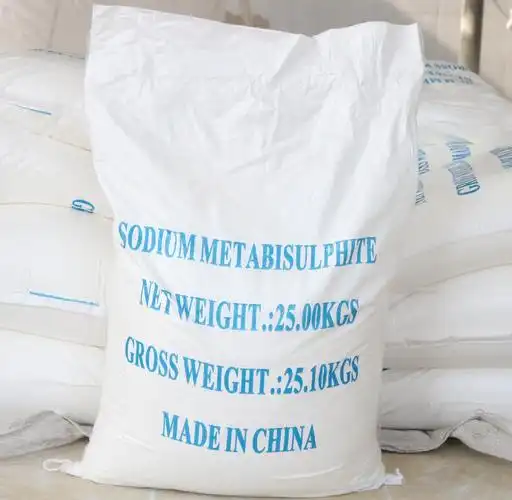
Sodium Methallyl Sulfonate (SMAS), with the chemical formula C4H7NaO3S, is a highly water-soluble, organic sulfonate monomer. It is prized for its exceptional polymerization capability and stability under harsh conditions. In the petroleum industry, SMAS is primarily utilized as a key additive in drilling fluids and as a monomer for synthesizing specialized polymers used in enhanced oil recovery (EOR).
Primary Applications
- Drilling Fluid Additive (in Water-Based Muds):
- Function: SMAS is copolymerized with other monomers (like acrylamide, AMPS) to create high-performance fluid loss control agents and viscosifiers.
- Mechanism: These polymers adsorb onto clay surfaces in the drilling mud, forming a thin, tough, and low-permeability filter cake on the borehole wall. This prevents the loss of water and valuable chemicals into the formation.
- Benefit: Excellent fluid loss control maintains drilling fluid volume and properties, ensuring wellbore stability, lubricity, and efficient cuttings removal.
- Monomer for EOR Polymers:
- Function: SMAS is used to synthesize sulfonated co- and ter-polymers for chemical EOR, specifically in Polymer Flooding.
- Mechanism: Polymers increase the viscosity of the injected water, improving its “sweep efficiency” to push more crude oil from reservoir pores toward production wells. The sulfonate group (-SO3Na) in SMAS provides crucial properties:
- Salt Tolerance: It enables the polymer to maintain viscosity and performance in high-salinity brines (including divalent ions like Ca²⁺, Mg²⁺), where conventional polyacrylamides would precipitate or lose viscosity.
- Thermal Stability: It enhances the polymer’s resistance to thermal degradation at high reservoir temperatures (often above 75°C/167°F).
- Shear Stability: Polymers incorporating SMAS demonstrate better resistance to mechanical shear degradation when pumped through wellbores and pore throats.
- Scale Inhibitor Intermediate:
- Function: SMAS serves as a building block for synthesizing polymeric scale inhibitors.
- Mechanism: These inhibitors prevent the deposition of mineral scales (e.g., calcium carbonate, barium sulfate) in production tubing and near-wellbore areas, which can severely restrict oil flow.
Key Advantages
- Superior Electrolyte Resistance: Its performance is not hindered by high salinity, making it indispensable for offshore and saline formation applications.
- High-Temperature Performance: Offers greater stability than many non-sulfonated monomers, suitable for deep, hot reservoirs.
- Enhanced Hydrophilicity and Solubility: The strong hydrophilic sulfonate group ensures rapid dissolution and stable performance in aqueous systems.
- Excellent Reactivity: Readily copolymerizes with a wide range of monomers (acrylamides, acrylic acid, etc.), allowing for tailor-made polymers with specific properties.
- Improved Dispersion and Anti-sludging: Helps in dispersing solids and preventing the formation of sludge in drilling fluids.
Future Prospects and Trends
The future of SMAS in the petroleum industry is closely tied to the evolving challenges of oil extraction and is expected to remain strong, driven by the following factors:
- Focus on Mature and Challenging Reservoirs: As easily accessible oil depletes, the industry increasingly targets:
- High-Temperature, High-Salinity (HTHS) Reservoirs: The demand for SMAS-based polymers will grow, as they are among the few cost-effective solutions for chemical EOR and drilling in such extreme conditions.
- Unconventional Resources: While less dominant than in conventional fields, specialized drilling fluids for complex well geometries may utilize SMAS polymers for superior shale inhibition and wellbore stability.
- Efficiency and Environmental Drivers:
- Improved Oil Recovery (IOR): Maximizing recovery from existing fields is more economical and has a lower environmental footprint than exploring new ones. SMAS-enabled polymer flooding is a key IOR technology.
- Water-Based Fluid Dominance: The industry shift away from oil-based muds (due to cost and environmental regulations) boosts the need for high-performance, environmentally acceptable water-based systems where SMAS excels.
- Material Innovation:
- Next-Generation Co-polymers: Research focuses on developing novel terpolymers and nanocomposites incorporating SMAS to push the boundaries of temperature/salinity tolerance and shear resistance further.
- Smart/Functional Polymers: Future may see SMAS used in polymers that respond to reservoir stimuli (pH, temperature), releasing chemicals or altering viscosity autonomously for more efficient EOR.
- Economic Considerations:
- SMAS offers a favorable balance between performance and cost compared to more exotic, high-performance monomers. This makes it a sustainable choice for large-scale field applications.
Conclusion
Sodium Methallyl Sulfonate is a critical, high-value specialty chemical that addresses some of the most persistent challenges in petroleum production: high salinity, high temperature, and the need for improved recovery. Its role as an enabler for robust drilling fluids and effective chemical EOR polymers secures its importance. The future outlook for SMAS is positive, underpinned by the global necessity to extract oil more efficiently and sustainably from increasingly complex geological formations. Its continued use and development will be integral to advancing drilling and enhanced recovery technologies.