
Here are the key environmental conditions to consider when storing Sodium Methallyl Sulfonate (SMAS), along with the reasons and consequences of improper storage.
Key Environmental Conditions for Storing SMAS
Proper storage is crucial to maintain the quality, stability, and handling properties of SMAS. The following conditions must be controlled:
1. Moisture Control (Most Critical)
- Requirement: Store in a cool, dry, and well-ventilated place. The storage area should have low humidity.
- Why: SMAS is hygroscopic, meaning it readily absorbs moisture from the air.
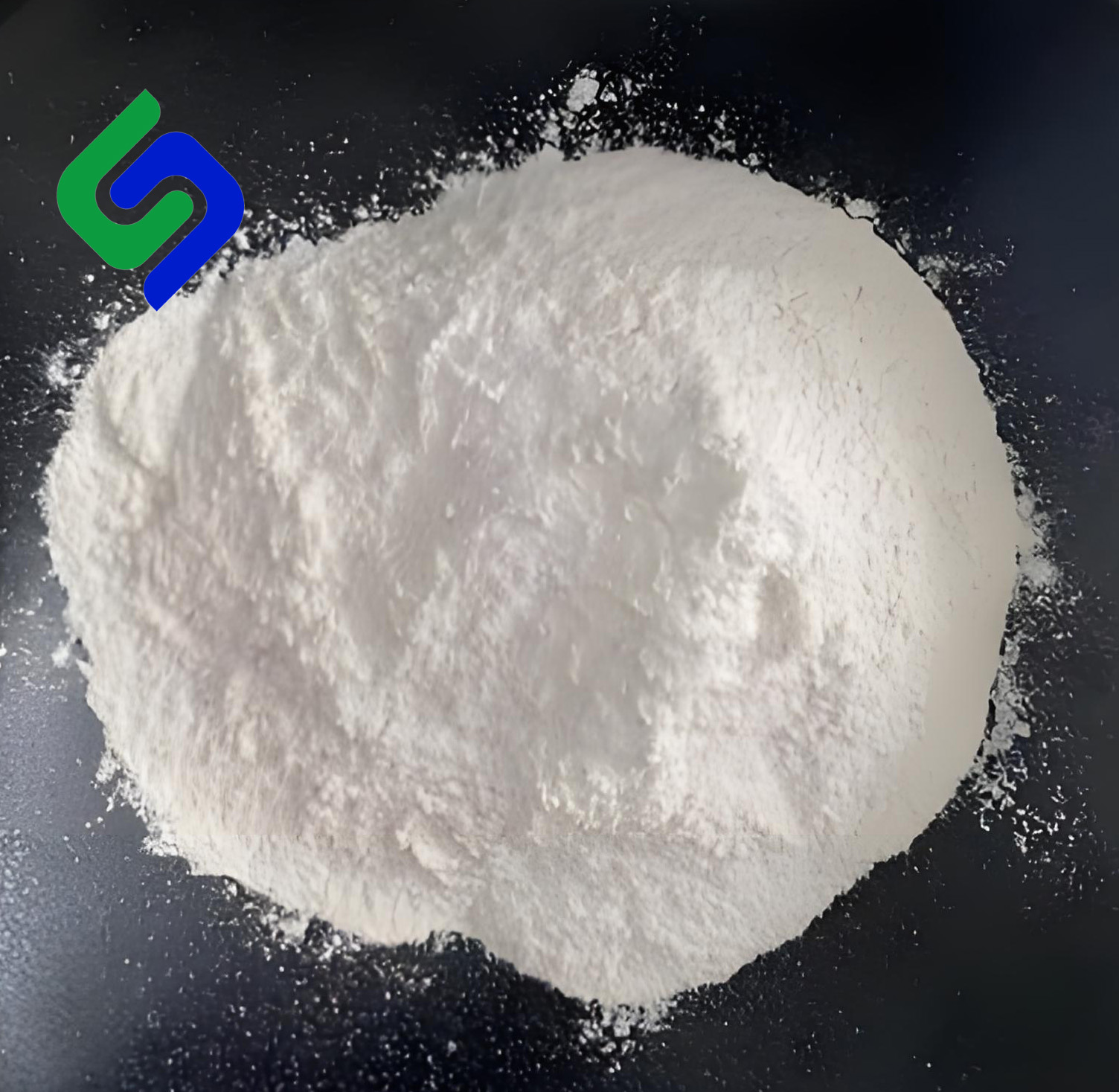
- Consequence of Neglect: Absorbed moisture causes the powder to cake (form hard, solid lumps). This makes it difficult to handle, weigh accurately, and dissolve completely, ultimately affecting its performance in sensitive applications like polymerization.
2. Temperature
- Requirement: Store at ambient or cool temperatures. Avoid storage near heat sources, steam lines, or in direct sunlight.
- Why: While SMAS itself has good thermal stability, elevated temperatures can accelerate any potential degradation reactions and, more importantly, can promote caking by increasing the rate of moisture absorption and chemical activity.
- Consequence of Neglect: Increased risk of caking and potential long-term stability issues.
3. Light
- Requirement: Protect from direct sunlight. Store in a dark place or in opaque containers.
- Why: Prolonged exposure to intense light (especially UV light) can potentially degrade many organic compounds over time.
- Consequence of Neglect: Possible gradual decomposition and loss of efficacy.
4. Incompatible Materials
- Requirement: Keep away from strong oxidizing agents (e.g., peroxides, chlorates, nitrates) and strong acids.
- Why: Although stable under normal conditions, SMAS can engage in hazardous reactions with strong oxidizers or acids.
- Consequence of Neglect: Risk of fire, explosion, or toxic gas generation.
Summary of Storage Guidelines
| Environmental Factor | Ideal Condition | Reason | Consequence of Improper Storage |
|---|---|---|---|
| Moisture | Low Humidity, Dry Environment | SMAS is hygroscopic (absorbs water). | Caking, difficult handling, and dissolution problems. |
| Temperature | Cool, Ambient Temperature | Prevents accelerated degradation and caking. | Increased caking risk, potential long-term stability loss. |
| Light | Protect from Light/Darkness | Prevents photochemical degradation. | Potential slow decomposition over time. |
| Incompatibilities | Separate from Strong Oxidizers & Acids | Prevents violent chemical reactions. | Fire, explosion, or toxic fume hazard. |
| Packaging | Sealed, Moisture-Proof Container | Maintains a protective barrier against air and moisture. | Moisture ingress leading to caking and quality loss. |
Best Practices for Packaging
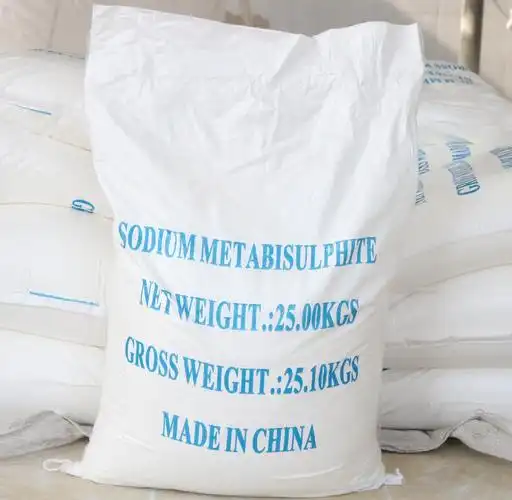
- Container: Always store SMAS in its original, tightly sealed container. If original packaging is compromised, transfer it to a clean, airtight container made of a moisture-resistant material like high-density polyethylene (HDPE) with a secure lid.
- Labeling: Ensure the container is clearly labeled with the product name, hazard information, and any relevant handling precautions.
By controlling these environmental factors, you ensure that SMAS remains a free-flowing, easy-to-handle powder that performs as expected in its intended applications. Always consult the Safety Data Sheet (SDS) provided by your supplier for the most specific storage recommendations.