
1. Physical Properties
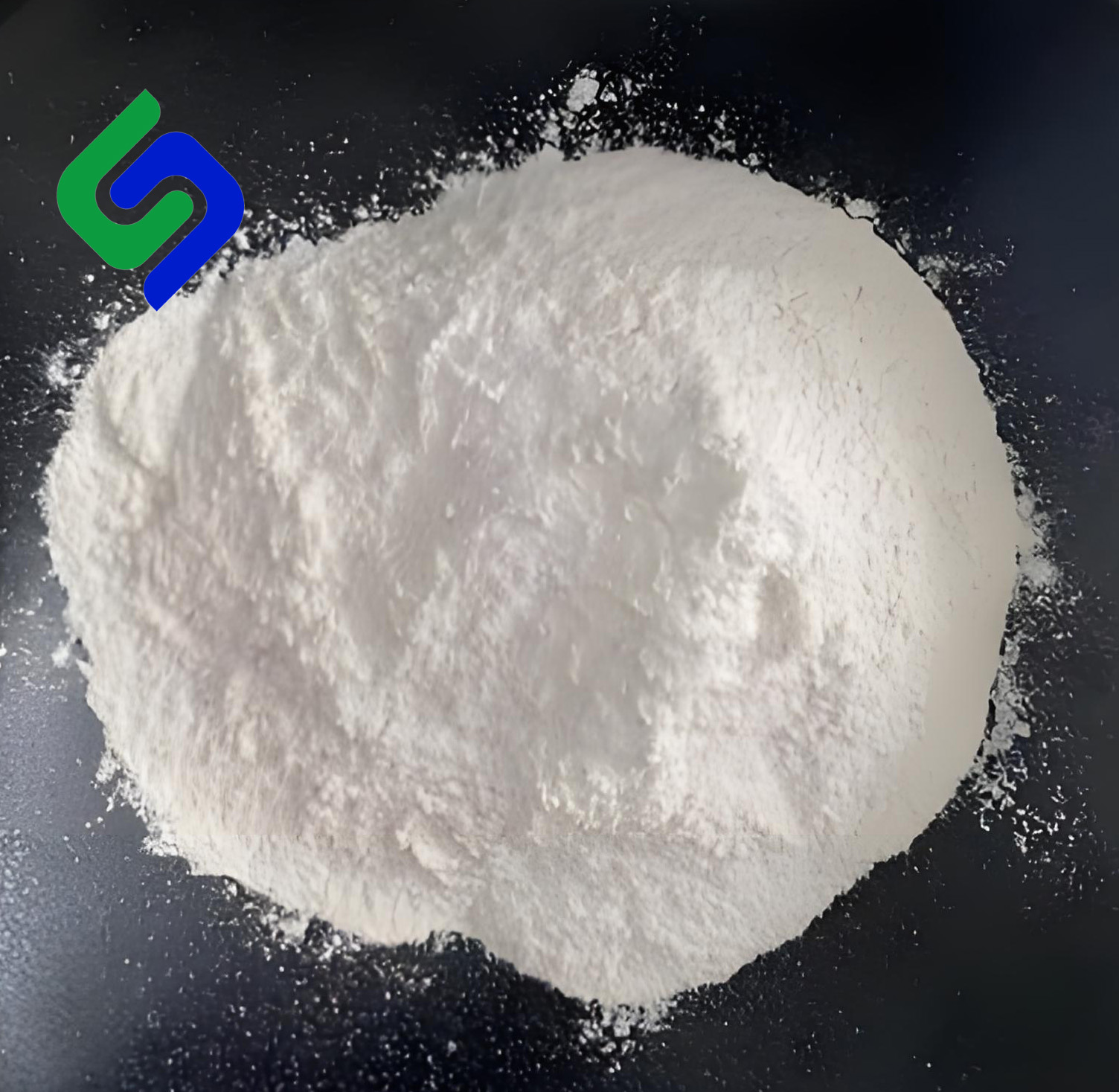
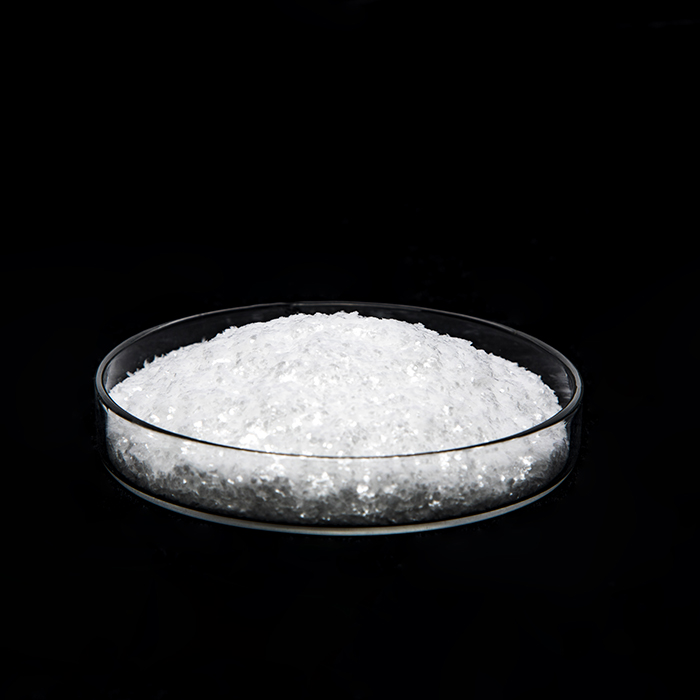
- Appearance: Calcium chloride typically appears as a white, crystalline solid at room temperature. It can also be found in powder, flake, or pellet forms.
- Odor: Odorless.
- Taste: Highly salty and slightly bitter.
- Solubility:
- Extremely soluble in water (exothermic dissolution).
- Solubility increases with temperature:
- ~74 g/100 mL (20°C)
- ~159 g/100 mL (100°C)
- Also soluble in alcohols (e.g., ethanol, methanol) but less so than in water.
- Hygroscopicity: Highly hygroscopic—readily absorbs moisture from the air, forming hydrates or deliquescing into a liquid brine.
- Density:
- Anhydrous CaCl₂: ~2.15 g/cm³
- Dihydrate (CaCl₂·2H₂O): ~1.85 g/cm³
- Hexahydrate (CaCl₂·6H₂O): ~1.71 g/cm³
- Melting Point:
- Anhydrous: ~772°C (1,422°F)
- Hexahydrate: ~30°C (86°F, decomposes upon further heating).
- Boiling Point: ~1,935°C (3,515°F, anhydrous form).
- Heat of Solution: Dissolving CaCl₂ in water releases significant heat (~82.8 kJ/mol for anhydrous form).
- Crystal Structure: Orthorhombic (anhydrous), monoclinic (hexahydrate).
2. Chemical Properties
- Chemical Formula: CaCl₂ (anhydrous), with hydrates like CaCl₂·2H₂O and CaCl₂·6H₂O.
- Reactivity:
- With Water: Forms hydrates (e.g., CaCl₂·6H₂O) and releases heat. In large amounts, it can cause boiling due to exothermic dissolution.
- With Acids: Reacts with strong acids (e.g., sulfuric acid) to produce hydrogen chloride gas:CaCl₂ + H₂SO₄ → CaSO₄ + 2 HCl↑CaCl₂ + H₂SO₄ → CaSO₄ + 2 HCl↑
- With Bases: Reacts with bases like sodium hydroxide to form calcium hydroxide:CaCl₂ + 2 NaOH → Ca(OH)₂ + 2 NaClCaCl₂ + 2 NaOH → Ca(OH)₂ + 2 NaCl
- With Carbonates: Forms calcium carbonate in the presence of soluble carbonates (e.g., sodium carbonate):CaCl₂ + Na₂CO₃ → CaCO₃↓ + 2 NaClCaCl₂ + Na₂CO₃ → CaCO₃↓ + 2 NaCl
- Decomposition: At high temperatures (>1,000°C), it may decompose into calcium and chlorine gas.
- pH of Aqueous Solutions: Slightly acidic (pH ~4–6) due to hydrolysis of hydrated Ca²⁺ ions.
- Common Hydrates:
- Monohydrate (CaCl₂·H₂O): Forms at ~30°C.
- Dihydrate (CaCl₂·2H₂O): Stable at room temperature.
- Hexahydrate (CaCl₂·6H₂O): Forms below 29°C; melts in its own water of hydration when heated.
3. Key Applications
- De-icing Agent: Lowers the freezing point of water.
- Desiccant: Absorbs moisture in air.
- Food Additive: Used as a firming agent (E509) and electrolyte.
- Concrete Accelerator: Speeds up curing.
- Medical Uses: Treats calcium deficiencies and hydrofluoric acid burns.
Calcium chloride’s high solubility, hygroscopic nature, and exothermic dissolution make it valuable in industrial, medical, and environmental applications.